Cooking with Cast Iron: Tips, Care & Easy Recipes
Learn how to cook with cast iron, plus simple tips for seasoning, cleaning, care, and plenty of delicious cast-iron recipes.
Cast iron cookware has been around for centuries, and for good reason. Whether you’re searing steaks on your Traeger grill, baking cornbread in the oven, or whipping up a skillet dessert on the stovetop, cast iron is tough, versatile, and built to last. With the right care, these pans will outlive us all—and get better with every use.
In this guide, we’ll cover everything you need to know about seasoning, cleaning, cooking, and maintaining cast iron so it becomes your most reliable tool in the kitchen and at the grill. We’ll also share some of our favorite cast-iron recipes.
At a Glance
• What You’ll Learn: Seasoning, cleaning, maintaining cast iron cookware
• Best Uses: Grill sears, skillet desserts, oven bakin’, even smoke infusions
• Flavor Impact: Adds smoky depth, excellent heat retention, crisp edges on foods
• Includes Recipes Like: Dump cakes, smoked queso, skillet cookies, cobblers
Why Cook with Cast Iron?
There are so many reasons to start with cast iron, whether you're cooking on the grill, in the oven, or on the stovetop. Here are a few of our favorites:
- Even heat retention: Once it’s hot, it stays hot, perfect for searing meat or baking evenly.
- Durability: Cast iron lasts for generations if cared for properly.
- Flavor boost: A well-seasoned pan adds depth and richness to your food.
- Versatility: Works on the stovetop, oven, grill, campfire, and even over coals.
Seasoning Cast Iron
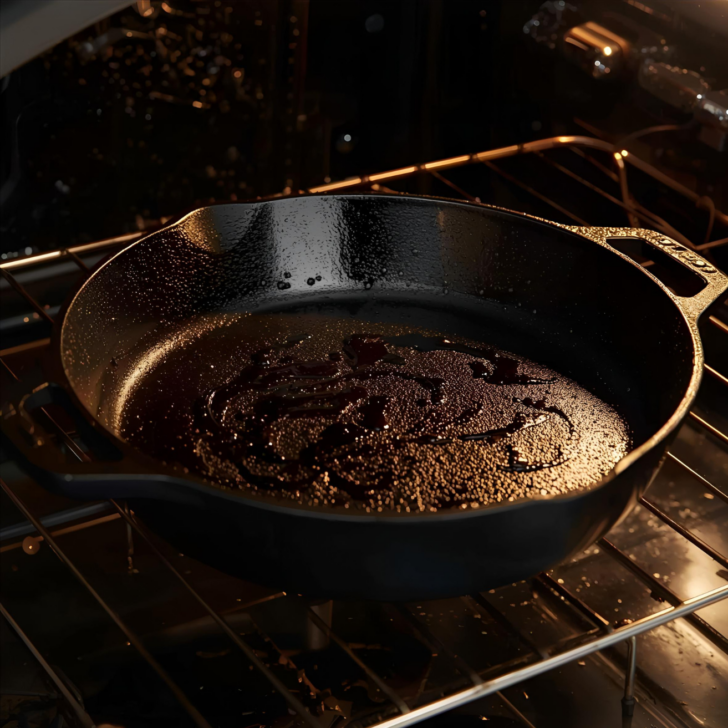
Seasoning is what makes cast iron nonstick and protects it from rust. It’s basically baked-on oil that bonds to the pan. Many cast-iron pans come pre-seasoned, but if yours isn't, here are some tips on how to season it yourself.
How to Season:
- Wash & Dry: Start with a clean, dry pan (use mild soap if needed).
- Oil It: Rub a thin coat of neutral oil all over—inside, outside, and handle (we recommend using beef tallow, but you can also use another oil, such as grapeseed, canola, or vegetable oil). Wipe away excess with a paper towel.
- Bake It: Place the pan upside down in a 450°F oven or on your Traeger grill. Put foil underneath to catch drips. Bake for 1 hour.
- Cool & Repeat: Let it cool, then repeat 2–3 times for a tough, glossy seasoning.
Pro tip: Every time you cook with a little oil or fat, you’re reinforcing that seasoning layer.
Cleaning Cast Iron
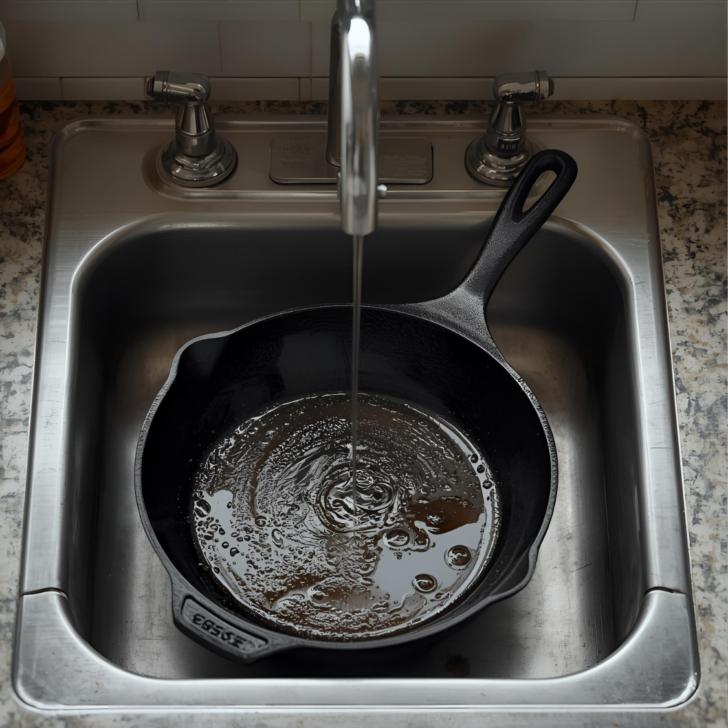
Contrary to myths, cast iron isn’t hard to clean.
- Skip the soap (most of the time): Hot water and a firm scrub pad or metal, chain-mail scrubber usually do the trick.
- Stubborn stuck bits: Scrub with coarse salt and a splash of water, then rinse.
- Dry immediately: Prevent rust by towel drying, then placing on low heat to evaporate moisture.
- Oil it after cleaning: Rub on a light layer of oil or tallow before storing.
Cooking with Cast Iron
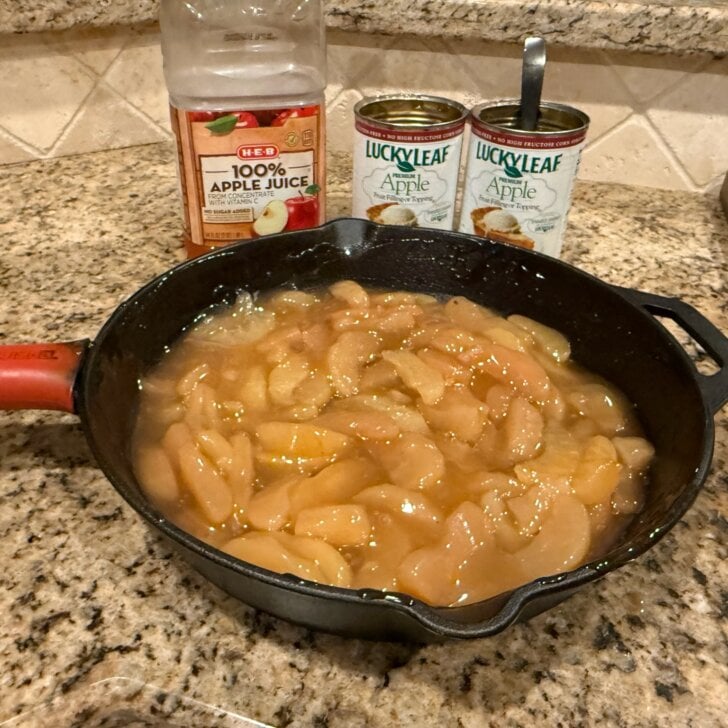
Here’s where cast iron shines—hot, even, and versatile.
On the Grill (Traeger or traditional): Perfect for searing steaks, cooking fajitas, or baking skillet cornbread with smoky flavor.
On the Stovetop: Ideal for searing meats, sautéing veggies, or frying eggs. Preheat slowly to avoid hotspots.
In the Oven: Bake bread, casseroles, cobblers, and more. Retains heat beautifully, making it excellent for golden crusts.
Tips & Tricks for Success
- Preheat the pan: Always give it time to heat up before adding food.
- Don’t overcrowd: Food sears better with space.
- Acidic foods: You can cook tomatoes or wine sauces in cast iron, but don’t let them sit too long or they’ll strip seasoning.
- Use the right tools: Metal spatulas are fine and actually help keep the seasoning smooth.
- Store properly: Keep in a dry place; slip a paper towel between stacked pans to absorb moisture.
Cast Iron Favorites on the Grill
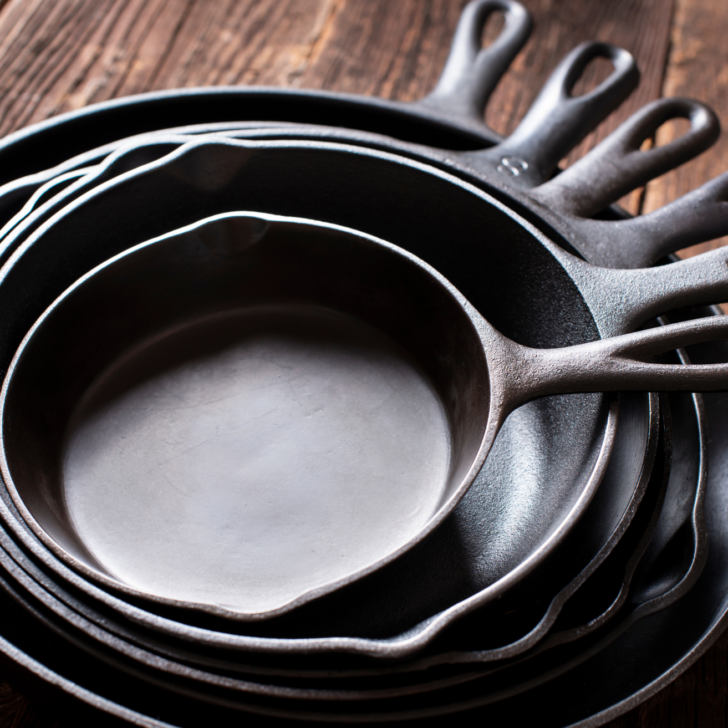
From savory dips to sizzling desserts, cast iron shines on the Traeger. We’ve used it for our smoky queso (the ultimate party starter), our juicy peach cobbler (aka dump cake), our skillet cookie (crispy edges, gooey middle), and our spiced apple dump cake (bubbly apples with a golden topping).
Each recipe proves just how versatile cast iron can be—holding heat evenly, picking up subtle smoke, and making cleanup a breeze!
Here’s why each one works so well in cast iron:
Spiced Apple Dump Cake

Why This Works in Cast Iron:
Cast iron holds steady heat, which means the apple filling gets bubbly while the buttery, spiced cake topping crisps up beautifully without burning. On the Traeger, the skillet also captures just the right amount of smoky flavor, turning a simple dump cake into a rustic, crowd-pleasing dessert. Plus, cast iron makes for an easy, one-pan presentation—straight from grill to table.
Texas Sheet Cake Brownies
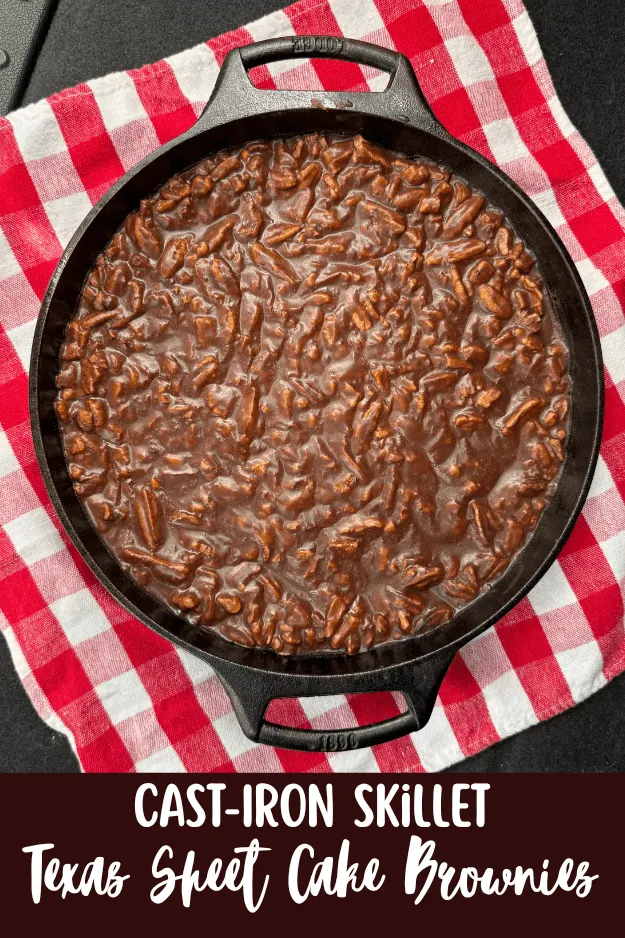
Why this Works in Cast Iron:
Cast iron conducts heat so evenly that these brownies bake up with perfectly fudgy centers and those slightly crispy edges that make every bite irresistible — no hot spots, no guessing.
Cast Iron Pineapple Upside Down Cake
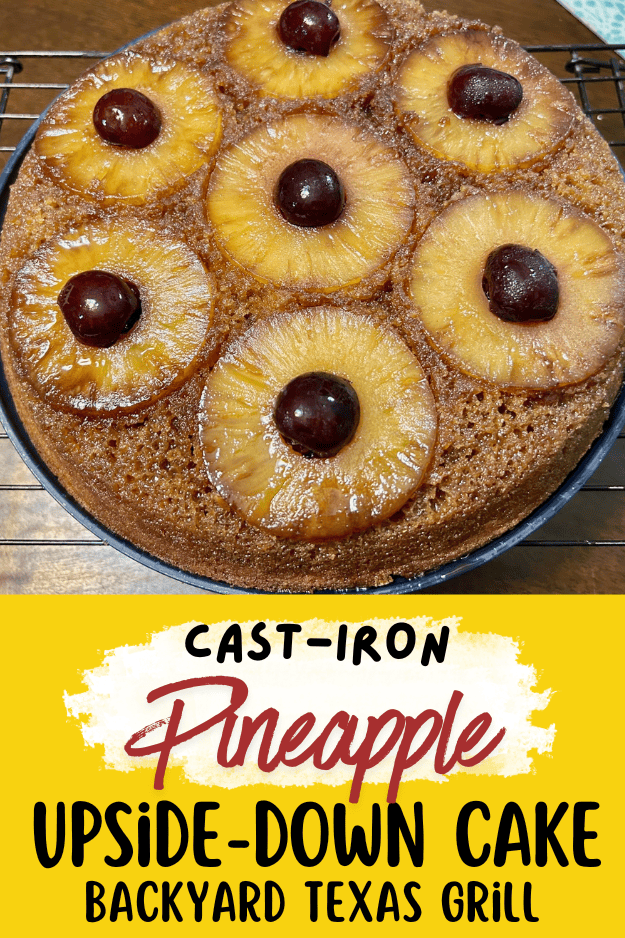
Why This Works in Cast Iron:
The magic of an upside down cake happens at the bottom of the pan, and cast iron does it better than anything else. The brown sugar and butter caramelize deeply against the hot iron, the pineapple rings get perfectly golden, and when you flip it, the results are stunning every single time.
Easy Cast Iron Skillet Cobbler with Frozen Fruit
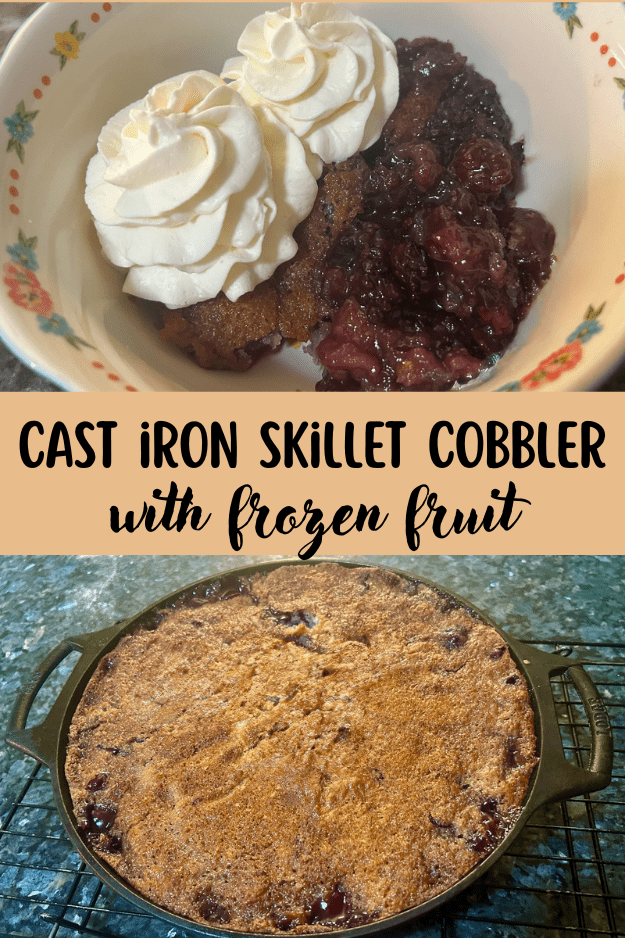
Why This Works in Cast Iron:
The thick walls of cast iron trap heat so the fruit filling cooks down into a jammy, bubbling base while the topping bakes up golden and crisp. It works with whatever frozen fruit you have on hand, and it goes straight from oven to table looking like you planned it all along.
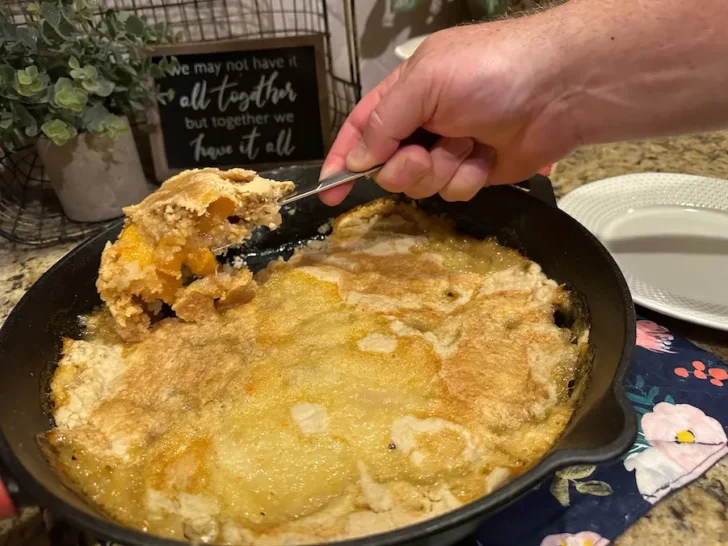
Peach Cobbler (aka dump cake)
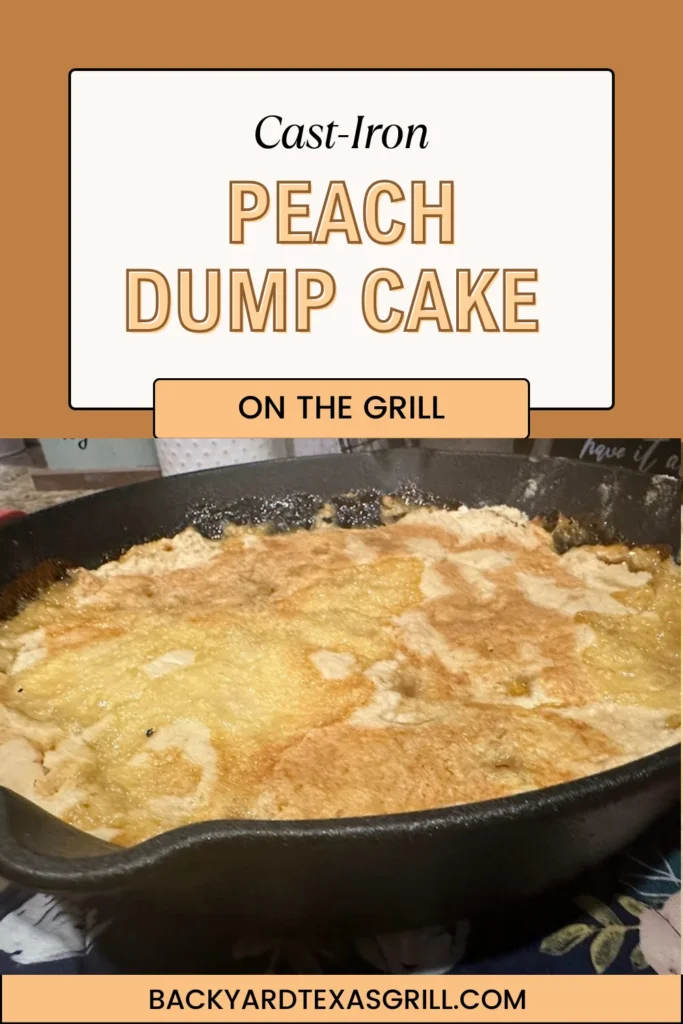
Why This Works in Cast Iron:
Juicy peaches bubble up beautifully in cast iron, while the skillet helps the cobbler topping bake into a golden, crisp crust. The even heat ensures the fruit cooks through without scorching, and the rustic presentation is perfect for sharing right out of the pan.
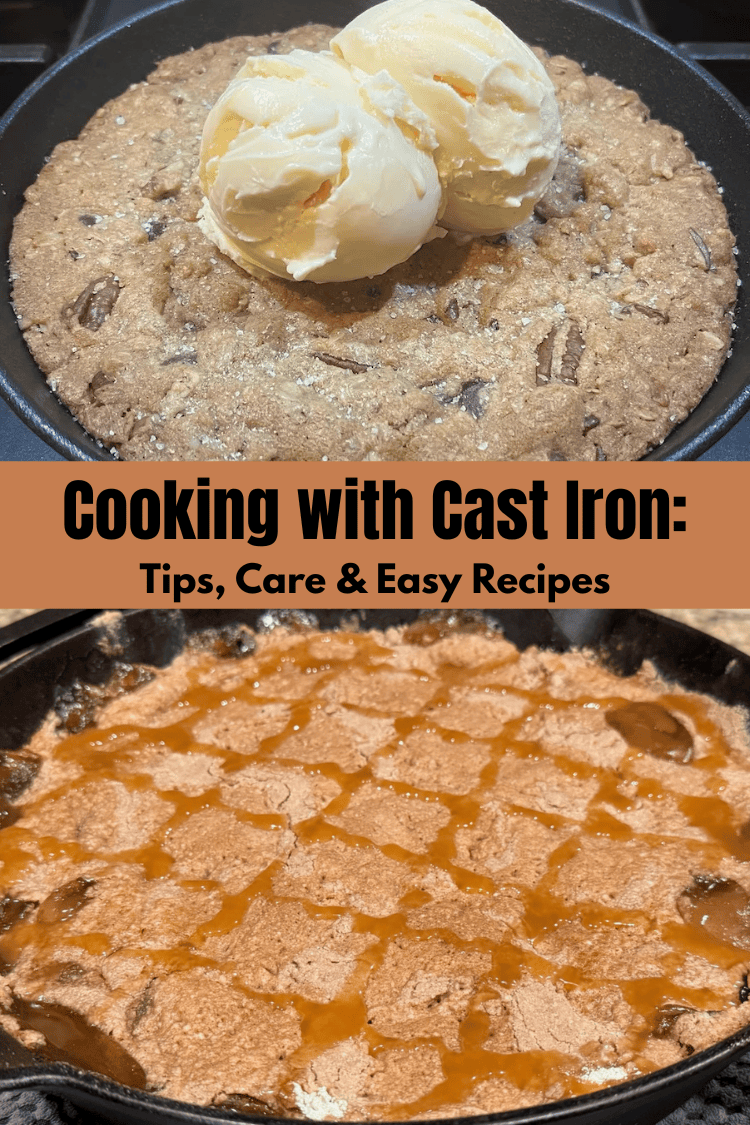
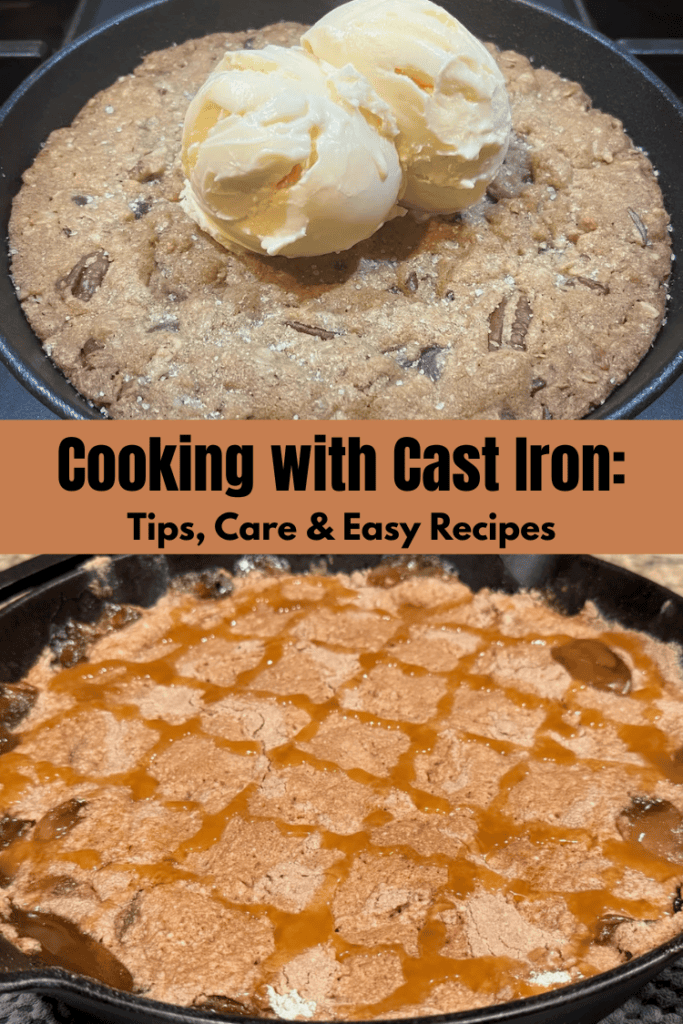
Skillet Cookie
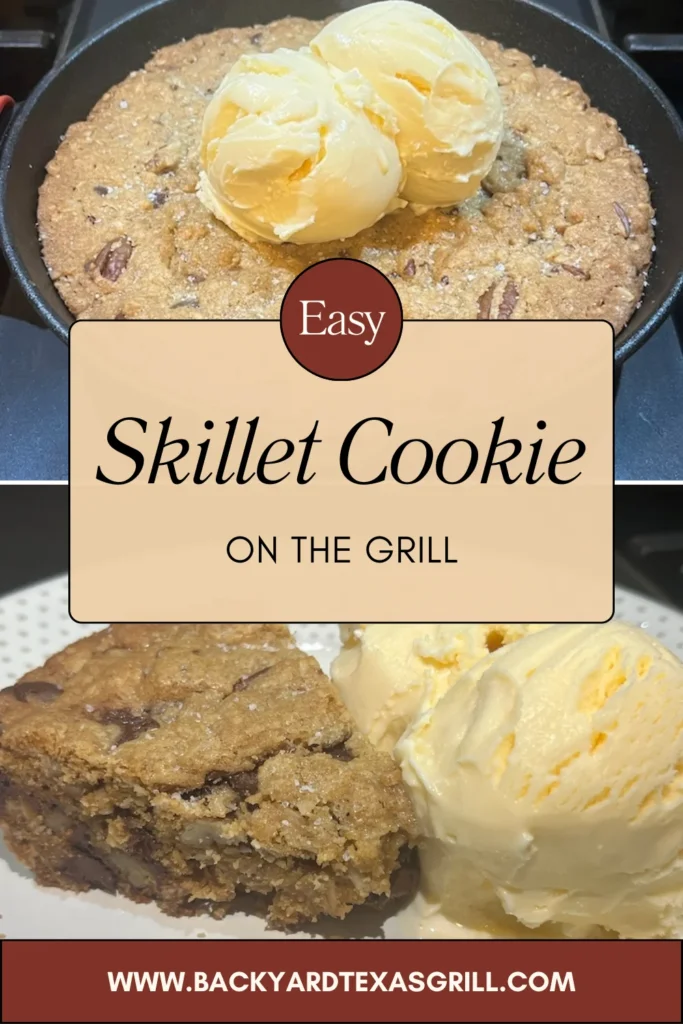
Why This Works in Cast Iron:
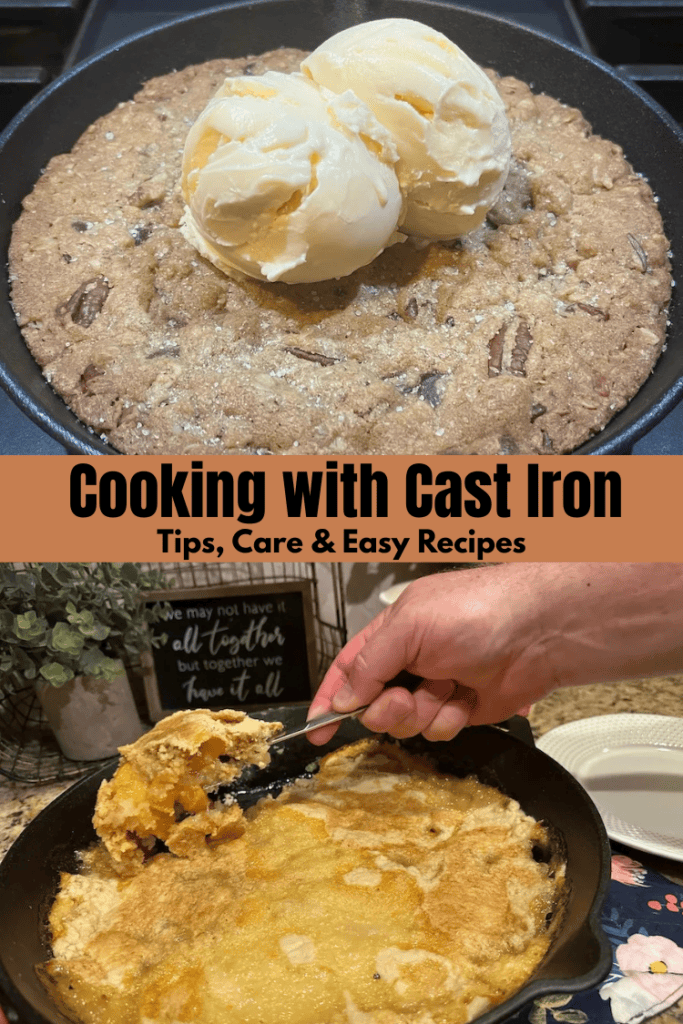
Cast iron gives this cookie its signature contrast—crispy, caramelized edges with a soft, gooey center. The pan holds steady heat for even baking, and once you top it with ice cream and dig in, it’s the ultimate crowd-pleasing dessert.
Texas Trash Pie
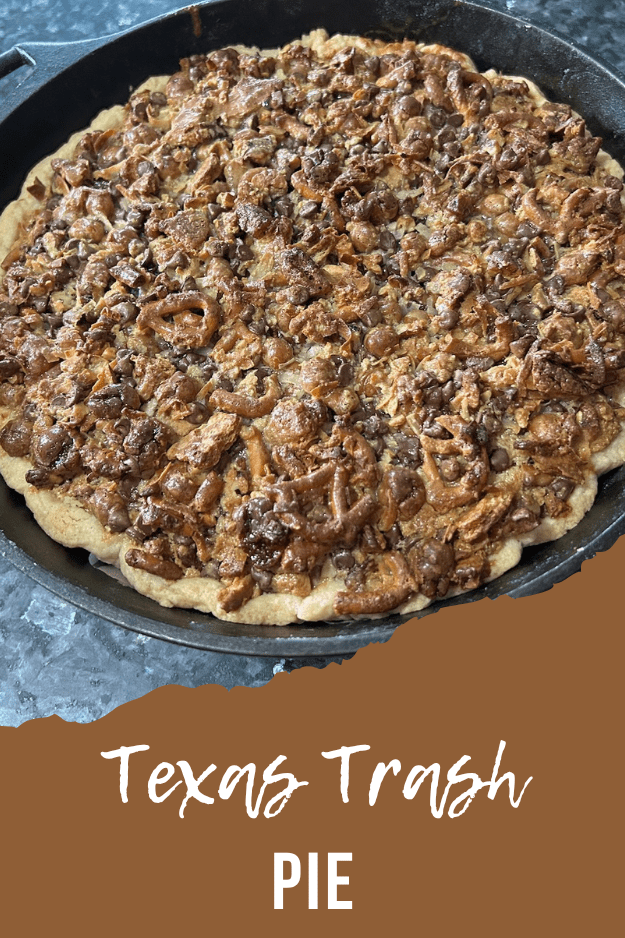
Why this Works in Cast Iron:
The steady, even heat of cast iron caramelizes all those sweet, salty, gooey layers from the bottom up, giving you a set filling and a beautifully golden top without overbaking the edges.
Cast Iron Peach Upside Down Cake

Why This Works in Cast Iron:
Same principle as the pineapple version — cast iron caramelizes those peaches from the bottom up, creating a glossy, rich topping that no regular baking pan can replicate. Fresh or canned peaches both work beautifully, and the presentation is showstopper-worthy straight out of the skillet.
Pumpkin Spice Skillet Cake
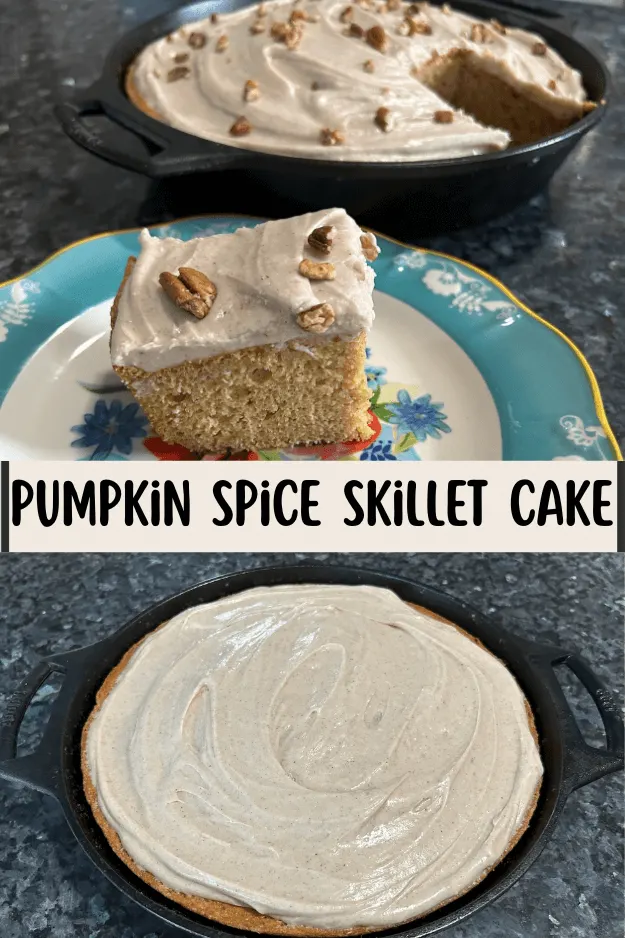
Why This Works in Cast Iron:
Cast iron bakes this cake with a gorgeous, slightly crispy crust on the outside and a moist, tender crumb in the center — the kind of contrast you just can't get from a regular cake pan. It also makes the most beautiful presentation going straight from oven to table, especially in the fall.
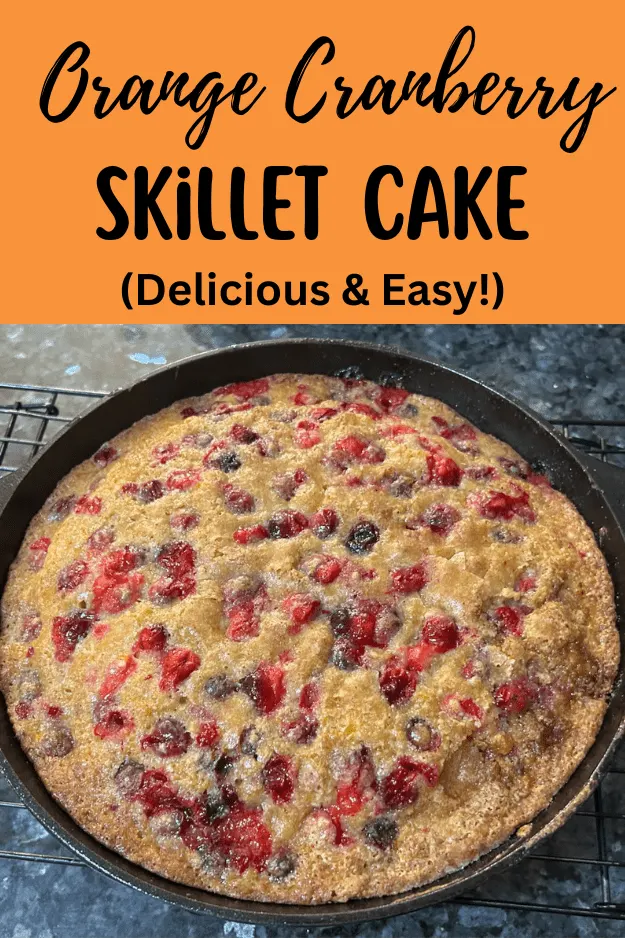
Orange Cranberry Skillet Cake
Why This Works in Cast Iron:
The citrusy, tart cranberries and bright orange flavors shine beautifully in cast iron, which bakes this cake evenly from edge to center. The crust gets a slight golden caramelization that adds a layer of flavor you won't get from a standard pan — and it's festive enough to serve straight from the skillet.
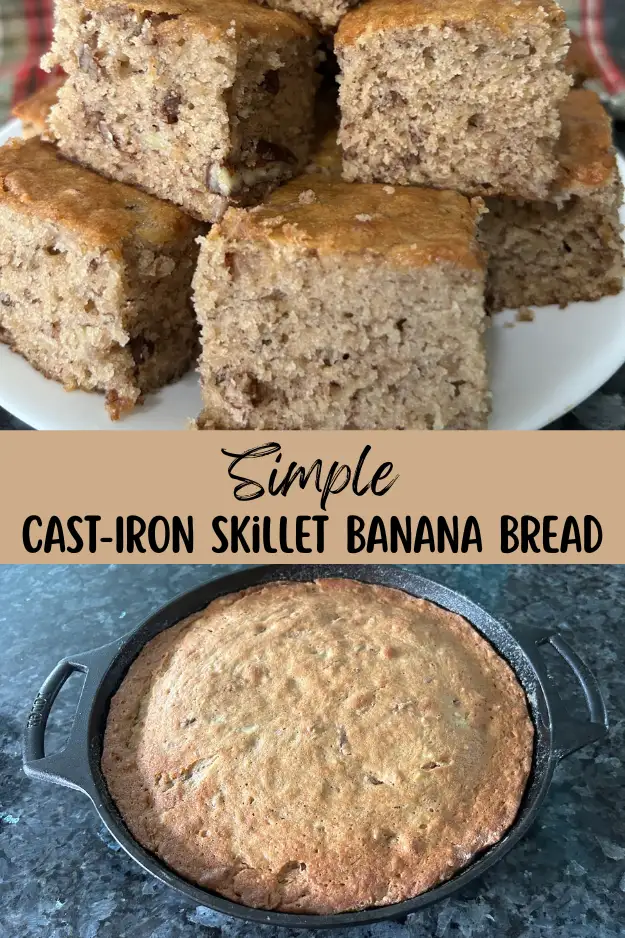
Simple Cast-Iron Skillet Banana Bread
Why this Works in Cast Iron:
Cast iron turns banana bread into something special — the thick walls hold heat so evenly that you get a deeply golden, slightly caramelized crust all the way around while the center stays perfectly moist and tender. It also makes for a stunning presentation going straight from oven to table.
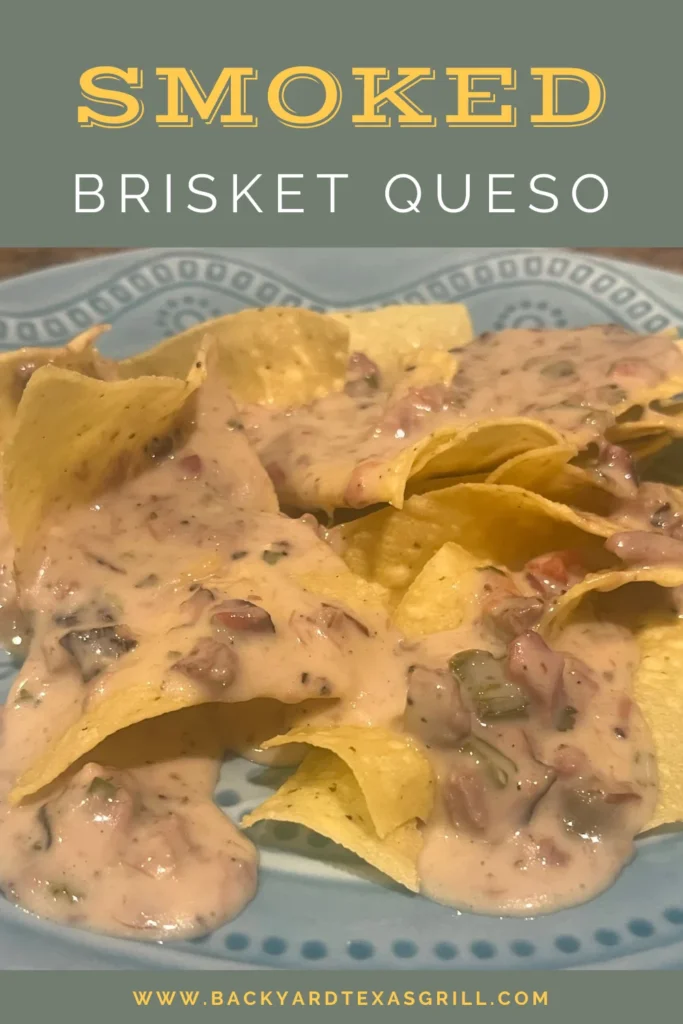
Smoked Queso
Why This Works in Cast Iron:
Cast iron holds heat like no other, which keeps queso creamy and melty while it absorbs smoky flavor from the grill. The skillet also makes for easy serving—straight from smoker to table, it stays warm long after it’s pulled off the heat.
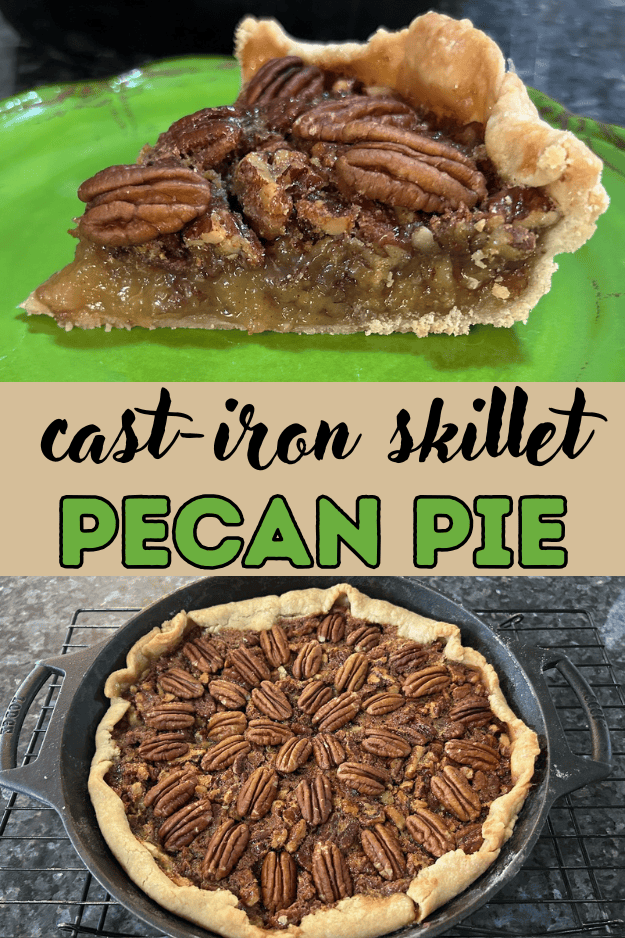
Cast Iron Skillet Pecan Pie
Why This Works in Cast Iron
Cast iron gives pecan pie a wonderfully rustic, golden crust while providing steady, even heat for the rich filling. The skillet also holds heat beautifully as the pie bakes, helping the buttery filling set while the toasted pecans develop even more flavor. And that skillet-to-table presentation is perfect for an old-fashioned Southern pecan pie.
Jalapeno Cheddar Skillet Cornbread
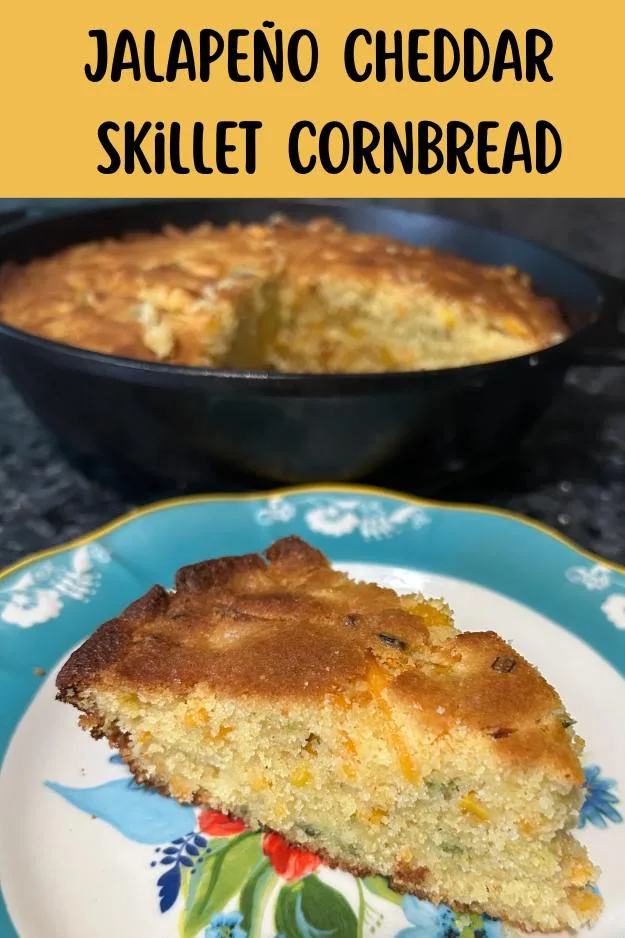
Why this Works in Cast Iron:
Cast iron is the secret weapon for skillet cornbread — preheat it with a little butter or bacon grease until it's sizzling hot, pour in the batter, and you get that iconic crispy, golden crust on the bottom that no baking pan can replicate. The even heat also ensures the jalapeños and cheddar melt and distribute perfectly throughout every slice.
Cast Iron Ranch Potatoes
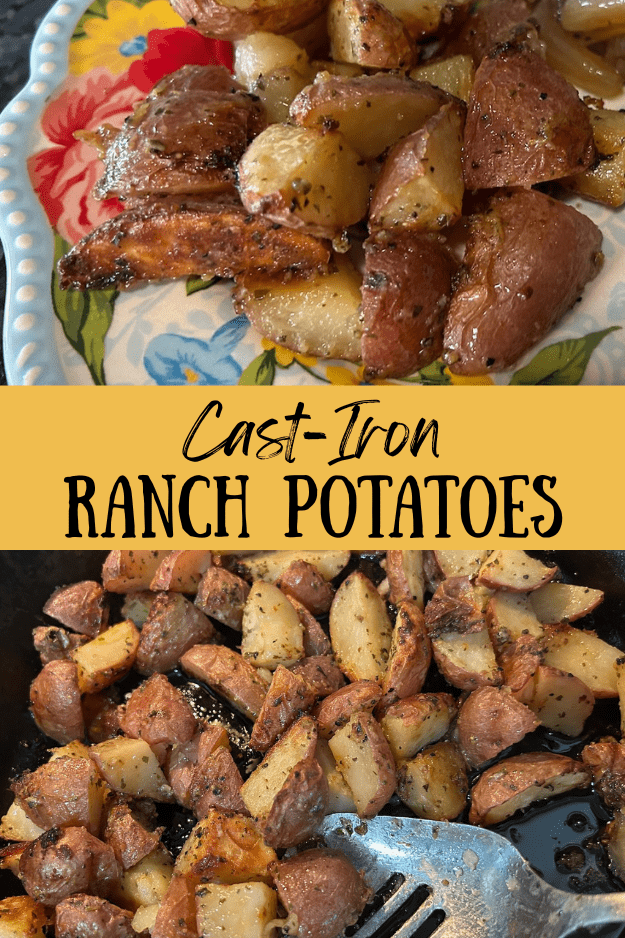
Why This Works in Cast Iron:
Cast iron is the secret to potatoes that are actually crispy — not steamed or soggy. The pan gets scorching hot and stays that way, giving you golden, caramelized edges on every piece while the insides stay tender and fluffy.
Cast Iron Black Bean and Corn Skillet
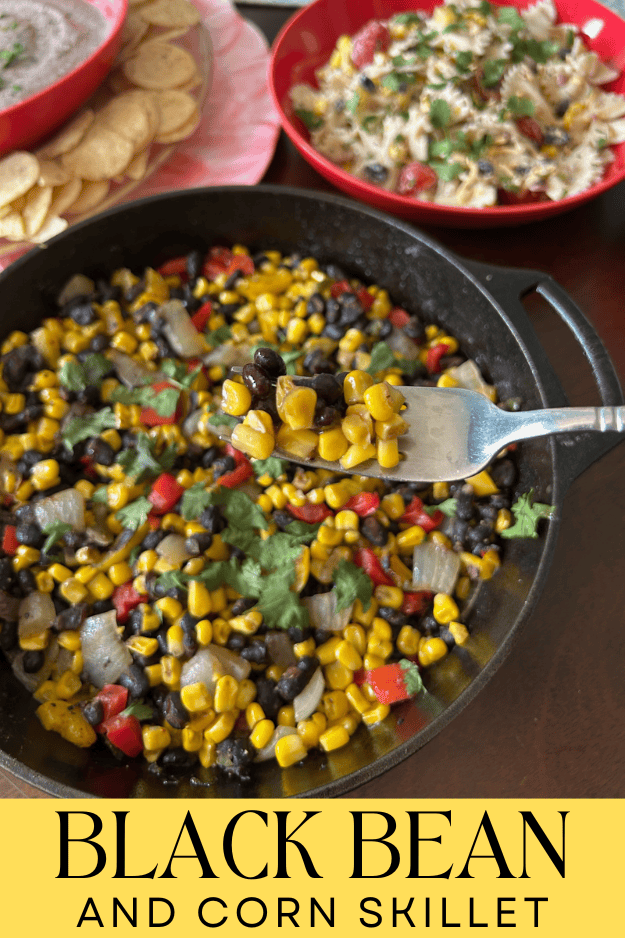
Why This Works in Cast Iron
Cast iron is perfect for this colorful side dish because it holds steady heat and helps the corn develop those lightly browned, caramelized edges while the peppers and onions sauté until tender. Everything cooks in one skillet, and the black beans warm through without becoming mushy—perfect for an easy Tex-Mex side dish.
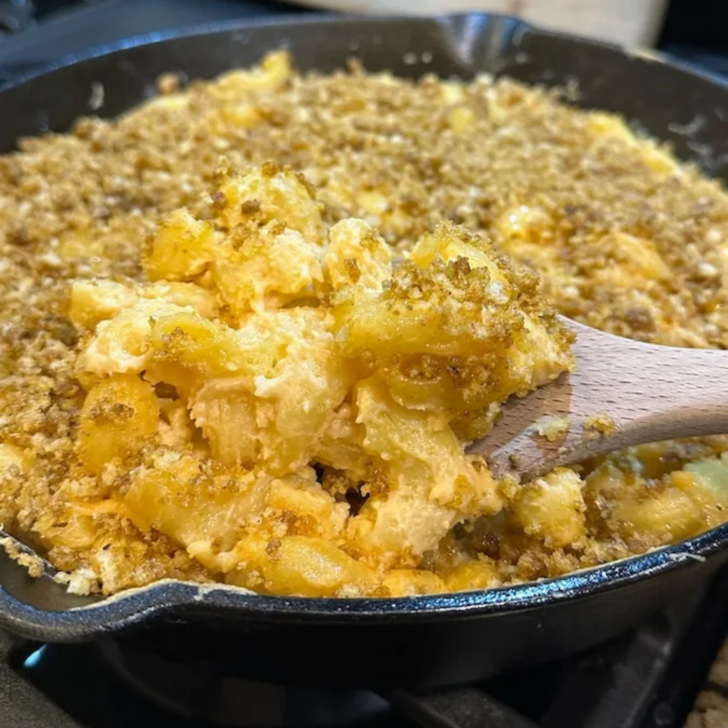
Smoked Mac and Cheese

Why This Works in Cast Iron:
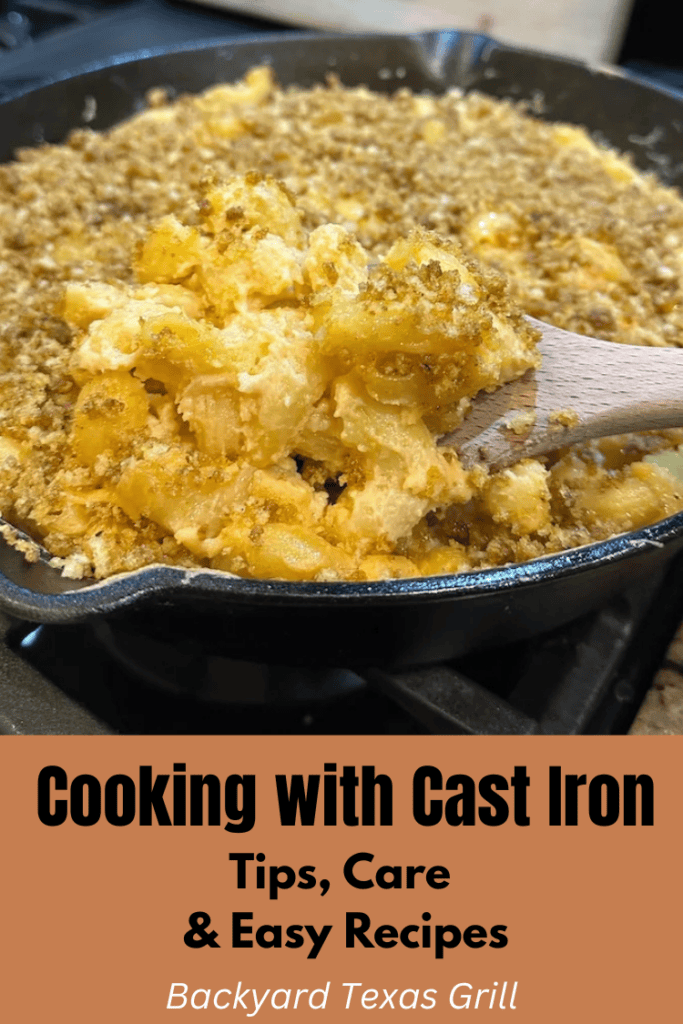
Cast iron holds heat evenly, which is perfect for creamy sauces and baked pasta. On the grill, smoked mac and cheese develops a golden, crispy top while the smoke infuses the cheese with incredible depth of flavor. The skillet keeps it bubbling hot from the first bite to the last, making it the ultimate comfort food for backyard gatherings.
Cast Iron 2-Ingredient Biscuits
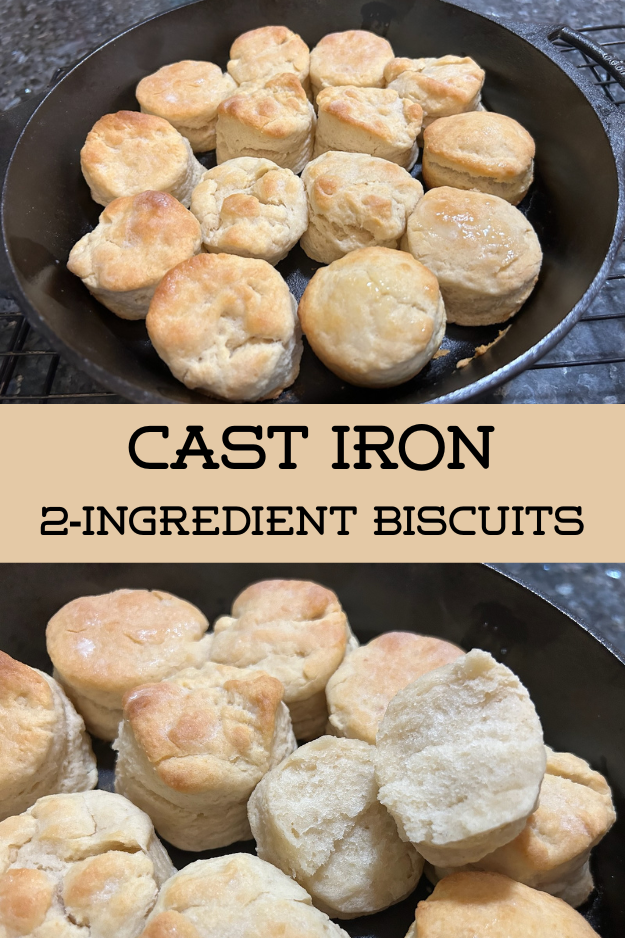
Why This Works in Cast Iron:
Cast iron’s steady, even heat creates biscuits that are crisp on the bottom, fluffy inside, and golden on top. In the oven, the skillet locks in heat for consistent baking. On the grill, it adds a hint of smoky flavor you just can’t get indoors.
Texas Skillet Potatoes and Onions
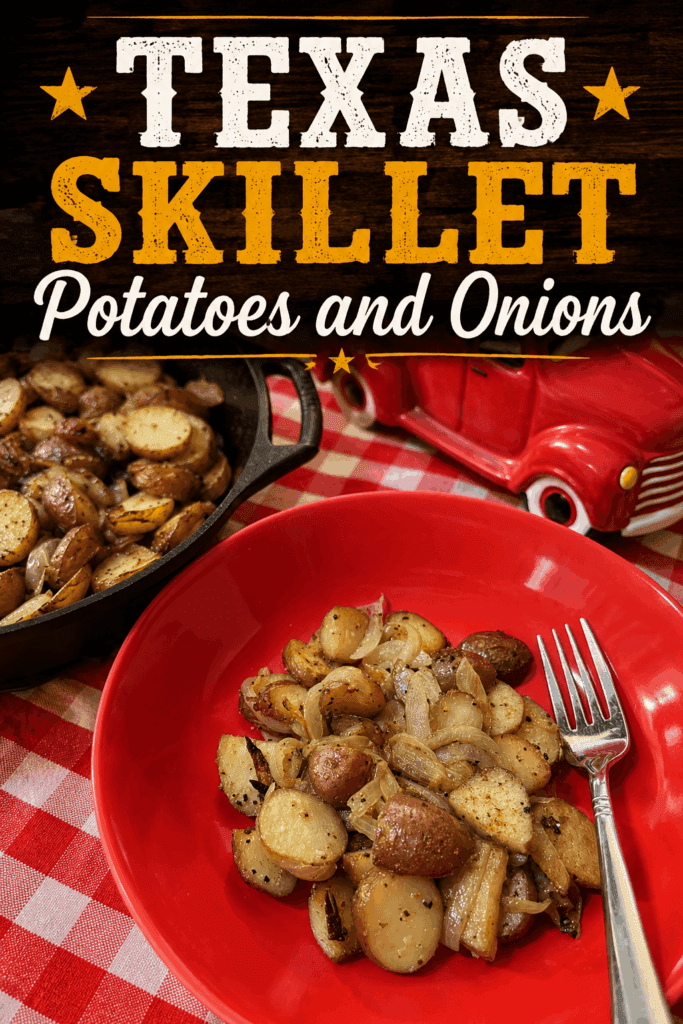
Why this Works in Cast Iron:
Cast iron gets screaming hot and holds that heat, which is exactly what you need to get those golden, caramelized edges on the potatoes and perfectly softened onions without steaming them to mush.
Cast Iron Cowboy Casserole
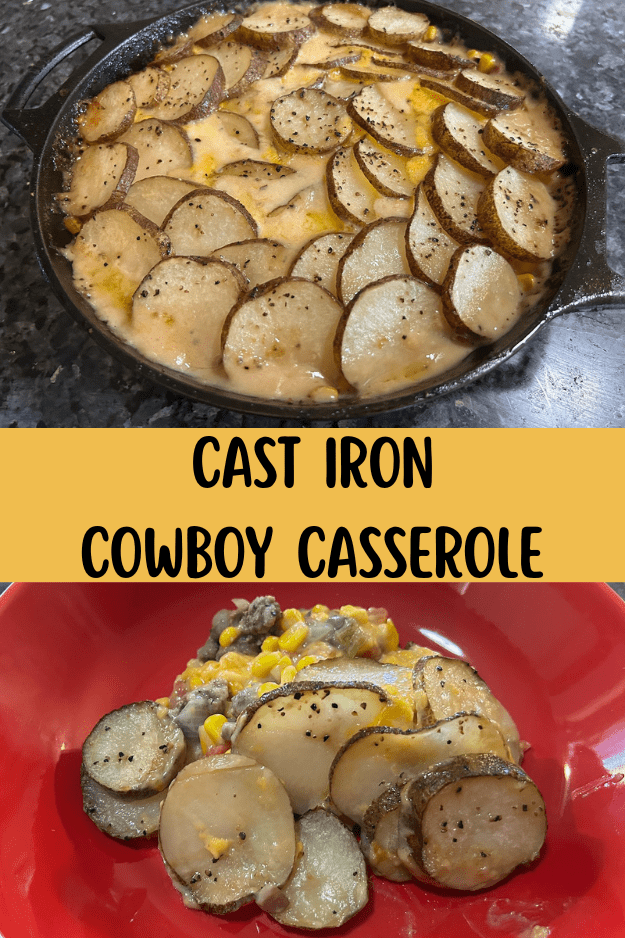
Why This Works in Cast Iron:
Cast iron holds deep, even heat that's perfect for a hearty layered casserole — the bottom gets beautifully set while the top browns and bubbles without scorching. On the smoker, it picks up just enough wood smoke to make every bite taste like it came straight off the range.
Turkey Pot Pie
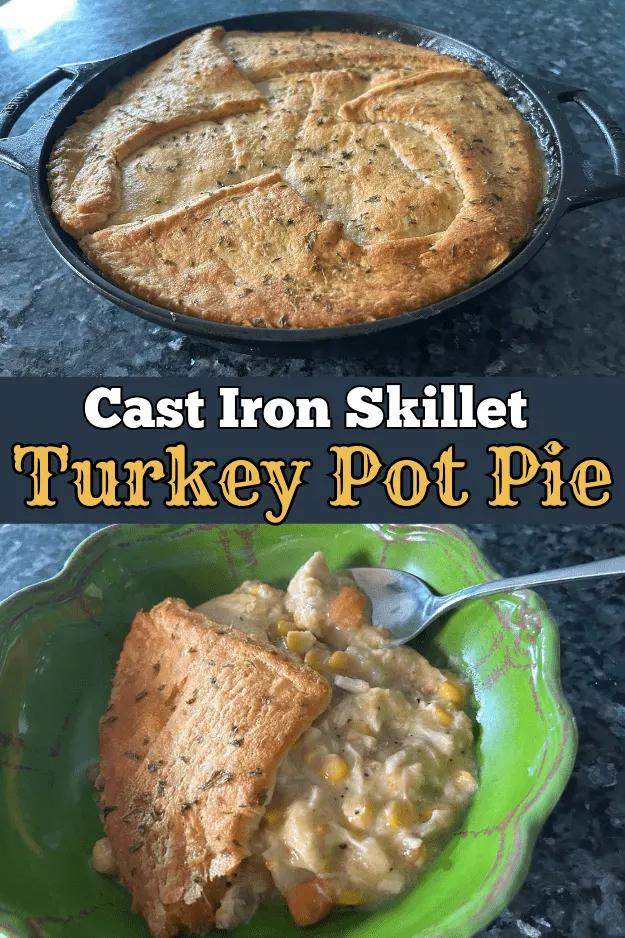
Why this Works in Cast Iron:
The cast iron skillet gives you a deep, golden crust on the bottom and sides that a regular baking dish simply can't match — and it goes straight from oven to table looking like something out of a farmhouse cookbook.
Texas Style Baked Beans
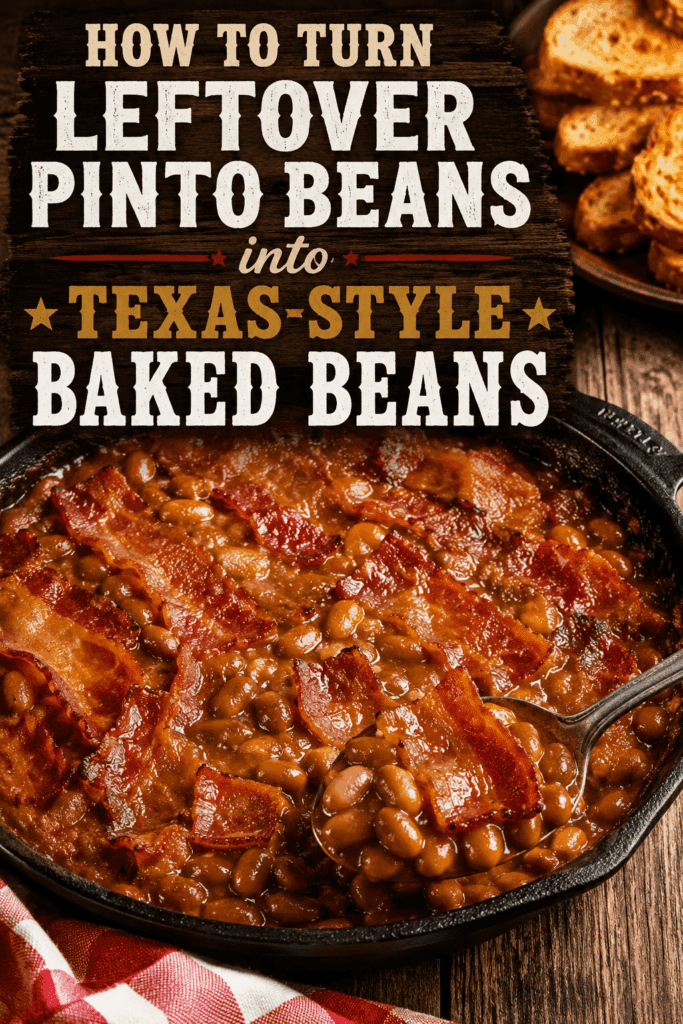
Why this Works in Cast Iron:
Cast iron is the ideal vessel for baked beans — it holds a low, steady heat that lets the flavors meld slowly, and on the smoker it absorbs just enough wood smoke to take the whole pot to another level.
Loaded Mashed Potatoes
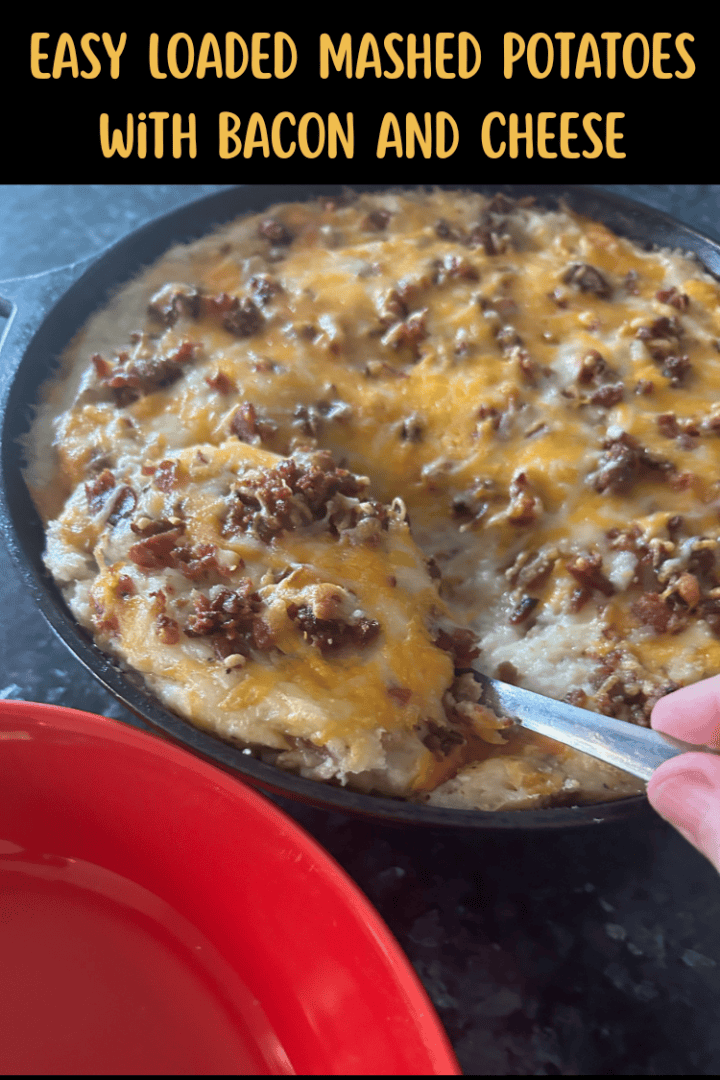
Why This Works in Cast Iron
Cast iron is perfect for loaded mashed potatoes because it holds heat beautifully and keeps the potatoes warm at the table. It also goes straight from stovetop to oven, making it easy to melt the cheese and crisp up those cheesy, bacon-topped edges before serving.
Easy Skillet Applesauce Cake
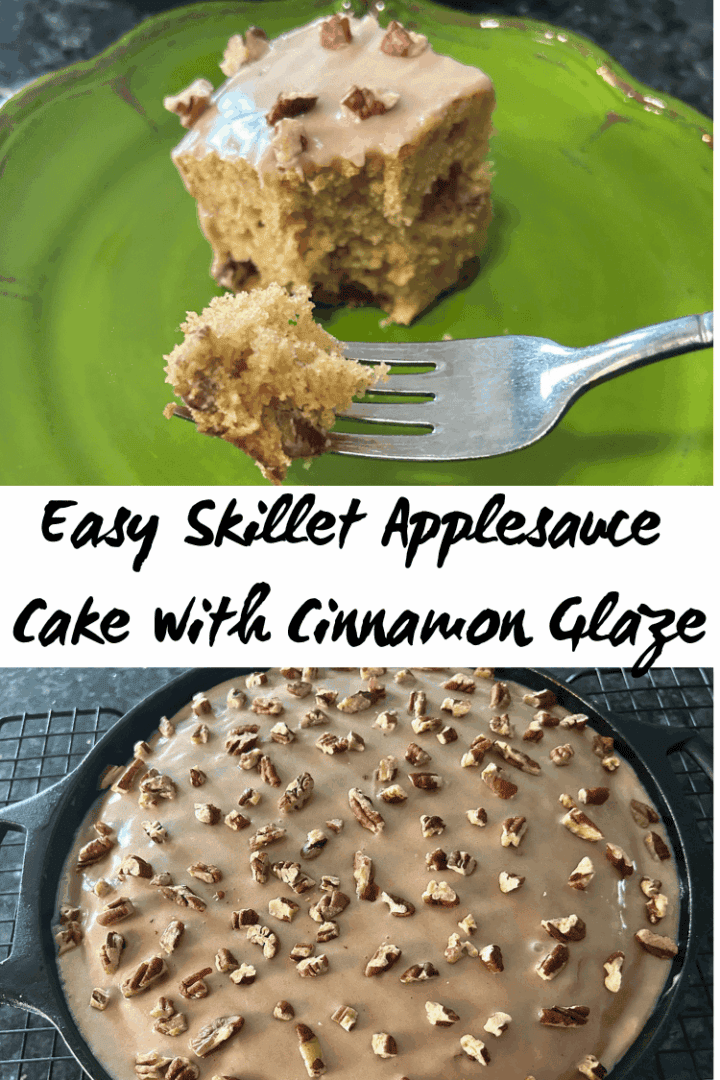
Why This Works in Cast Iron
Cast iron is perfect for this applesauce cake because it heats evenly and holds onto that heat, helping the cake bake up moist and tender with lightly browned edges. It also gives this simple cinnamon-spiced cake the rustic, old-fashioned presentation that suits it so well.
Southwest Breakfast Casserole
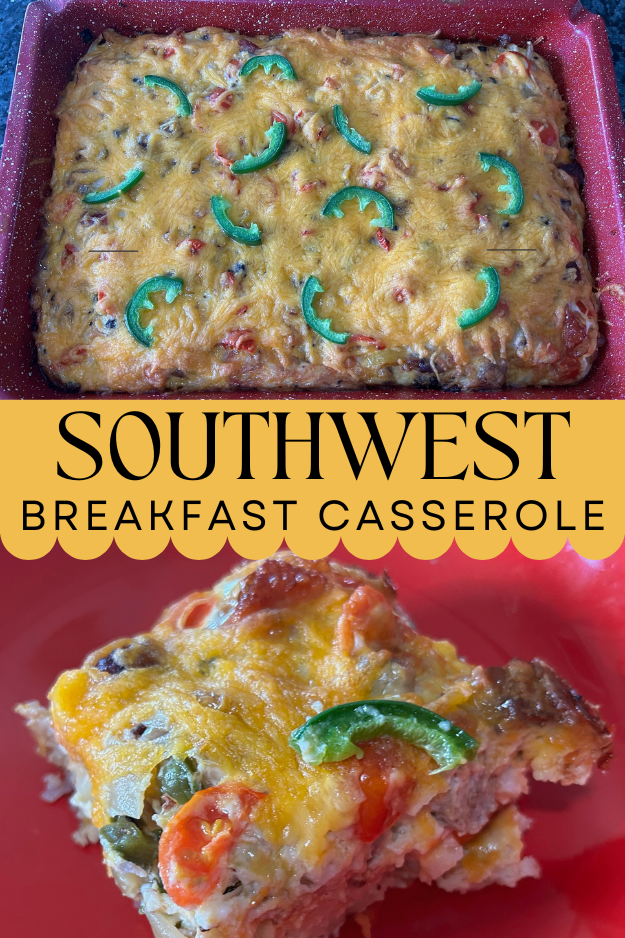
Why This Works in Cast Iron:
Cast iron holds heat so well that this casserole stays at the perfect temperature from the moment it comes out of the oven all the way through second helpings. The eggs set evenly, the edges get slightly crispy, and the whole thing has that rustic, stick-to-your-ribs feel that's perfect for a weekend morning crowd.
More Recommended Cast Iron Dishes for the Grill
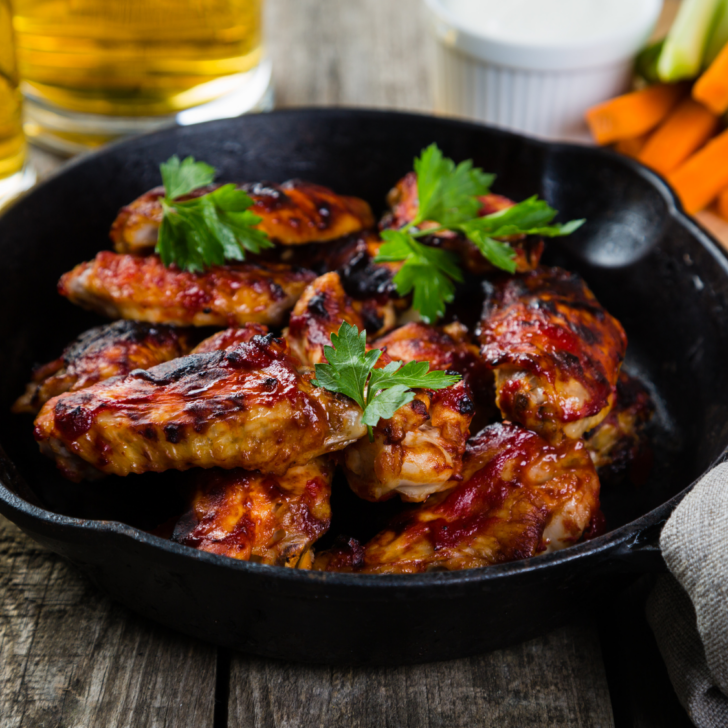
Want to try more? Cast iron is incredibly versatile. Here are some ideas to explore:
- Skillet Cornbread
- Cast Iron Fajitas
- Grilled Skillet Pizzas
- Ribeye with Garlic Butter
- Skillet Brownies
- Breakfast Hash
- Grilled Veggies
- Fruit Crisps or Cobblers
Frequently Asked Questions
Coat the entire skillet — inside, outside, and handle — with a very thin layer of oil. Flaxseed, vegetable, or shortening all work well. Place it upside down in a 450°F to 500°F oven for an hour, then let it cool in the oven. Repeat that process three to four times when you're starting fresh and your skillet will build up a beautiful, naturally non-stick surface.
A small amount of mild dish soap on a well-seasoned skillet won't ruin it — that's an old myth. What you want to avoid is soaking it in water or running it through the dishwasher. Wash it quickly, dry it immediately and thoroughly, and rub a light coat of oil on it before storing.
Cast iron was practically made for the grill. It handles high heat beautifully and adds incredible sear marks and crust to everything from steaks to cornbread to desserts. On the smoker, a cast iron skillet absorbs just enough of that wood smoke flavor to make whatever you're cooking taste even better.
Stickiness usually means too much oil was applied. The key is thin — wipe on a layer, then wipe most of it back off before putting it in the oven. It should look almost dry going in. Too thick a coat never fully polymerizes and stays tacky instead of hardening into that smooth, slick surface you're after.
Don't throw it out — rust is very fixable. Scrub the rust off with steel wool or a chain mail scrubber, wash and dry it completely, then re-season from scratch following the same process as a new skillet. Most cast iron can be fully restored no matter how neglected it's been, which is part of what makes it such a great investment.
Final Thoughts
No matter what you’re craving—savory dips, juicy fruit cobblers, gooey cookies, or smoky main dishes—cast iron delivers. It’s the one pan that works just as hard on the Traeger as it does in your kitchen, and once you start using it, you’ll wonder how you ever cooked without it.
Before you go, why not pin some photos to your Pinterest boards?
About the Pit Master
Hey, I’m Zach—the guy behind Backyard Texas Grill. For me, grilling isn’t just about cooking, it’s about gathering friends and family, telling stories, and enjoying good food under the Texas sky. I love cast iron because it works just as hard on the Traeger as it does in the kitchen—whether I’m stirring up smoky queso, baking a peach cobbler, or pulling a skillet cookie hot off the grill. Around here, it’s all about simple recipes, bold flavors, and the joy of cooking outdoors. Grab your skillet and let’s fire it up together!