Meat Temperature Chart: The Grill Master's Guide to Perfect Doneness
Meat temperature chart for grilling and smoking — safe internal temps for beef, pork, chicken, turkey, and fish. Plus tips on resting, the stall, and probe tenderness.
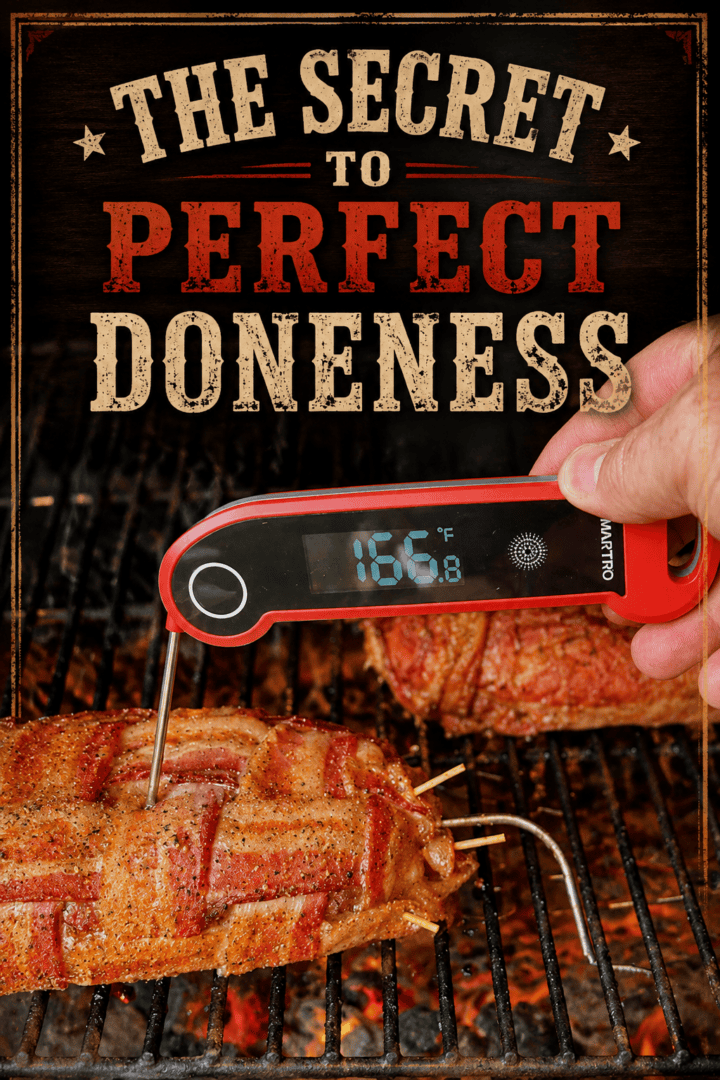
If there's one thing that separates a confident backyard griller from a nervous one, it's knowing exactly when meat is done. Not cutting into it and hoping for the best. Not guessing by color or feel. Knowing — with a good instant-read thermometer and the right target temperature — that what's coming off your grill or smoker is safe, juicy, and perfectly cooked every single time.
This guide gives you the numbers you need for every protein we cook at Backyard Texas Grill. These are the USDA-recommended safe temperatures — the baseline every griller should know. For Zach's specific method on each cut — his rubs, his timing, his pull temps, and his tricks — follow the links to the individual recipes. That's where the real magic lives.
Why Meat Temperature Matters
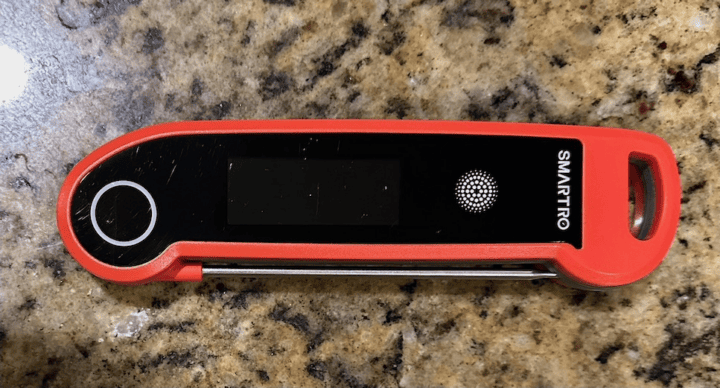
Color is a myth. Pink doesn't always mean undercooked. Brown doesn't always mean done. The only reliable way to know if meat is safe and perfectly cooked is an instant-read thermometer inserted into the thickest part of the meat, away from bone.
A good thermometer is the single most important tool a griller can own — more important than any rub, sauce, or fancy accessory. If you don't have one yet, get one before your next cook.
The Backyard Texas Grill Meat Temperature Chart
Beef
| Cut | USDA Safe Temp | Notes |
|---|---|---|
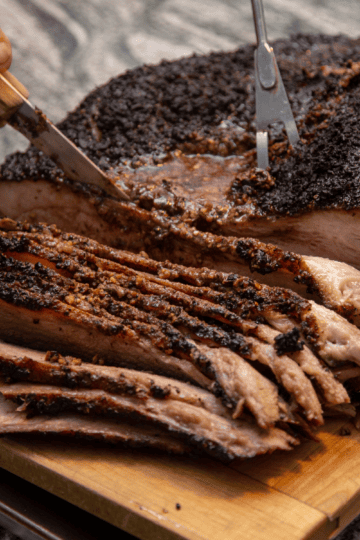
| Brisket | 195–205°F | Needs high internal temp for collagen to break down — probe should slide in like butter |
| Steaks (rare) | 125°F | Below USDA minimum — personal preference only |
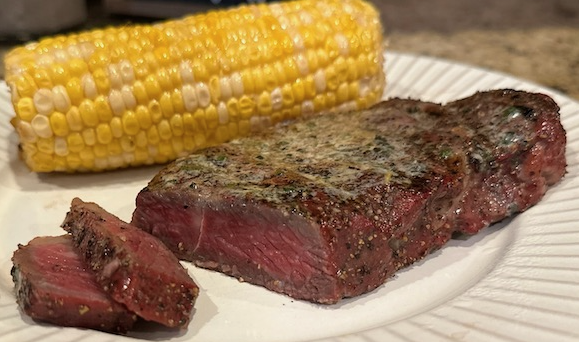
| Steaks (medium rare) | 130–135°F | USDA minimum for whole cuts is 145°F |
| Steaks (medium) | 140–145°F | USDA safe minimum |
| Steaks (well done) | 160°F+ | |
| Ground beef (burgers) | 160°F | No exceptions — ground beef must reach 160°F |
| Prime rib / beef roast | 130–145°F | Depending on desired doneness |
| Short ribs / beef ribs | 195–205°F | Like brisket, needs high temp to break down collagen |
For Zach's brisket method, including his rub, smoke temps, and how he handles the stall, visit our Texas Style Smoked Beef Brisket recipe.
For reverse-seared steaks done Zach's way, visit our Simple Reverse Seared Steaks recipe.
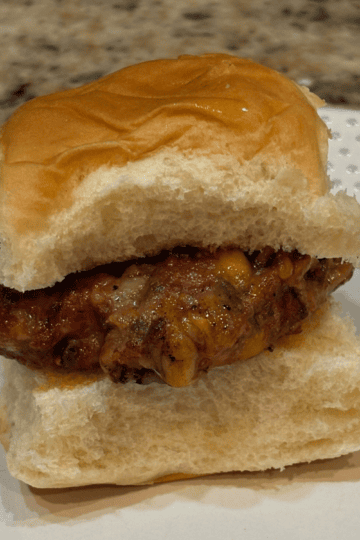
For the juiciest burgers on the grill, visit our World's Best Butter Burgers recipe.
Pork
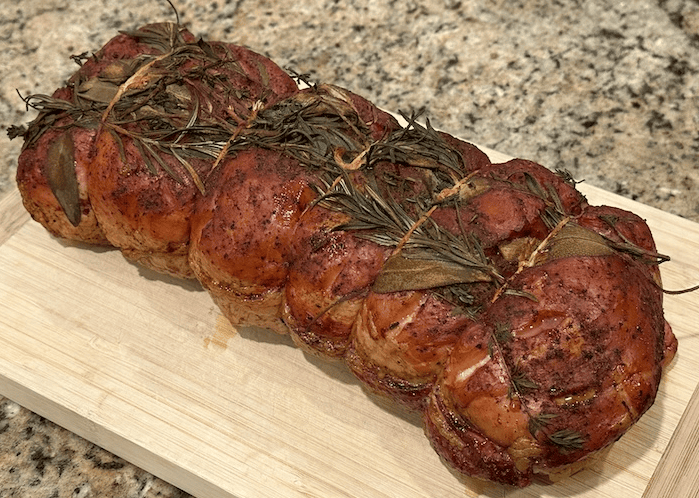
| Cut | USDA Safe Temp | Notes |
|---|---|---|
| Pork chops | 145°F | Rest 3 minutes after cooking |
| Pork tenderloin | 145°F | Rest 3 minutes — a little pink in the center is safe and ideal |
| Pork shoulder / pulled pork | 195–205°F | Needs high temp to become pull-apart tender |
| St. Louis / baby back ribs | 195–205°F | Bones should pull back and meat should bend easily |
| Ham (pre-cooked, reheating) | 140°F | |
| Ham (raw) | 145°F | |
| Ground pork / sausage | 160°F |
For Zach's pulled pork, from his rub to his wrap method, visit our Smoked Pulled Pork recipe.
For St. Louis style ribs done low and slow, visit our St. Louis Style Pork Ribs recipe.
For pork tenderloin with a beautiful herb crust, visit our Herb Crusted Pork Tenderloin recipe.
For thick-cut pork chops on the grill, visit our How to Grill Thick Cut Pork Chops guide.
Chicken & Poultry
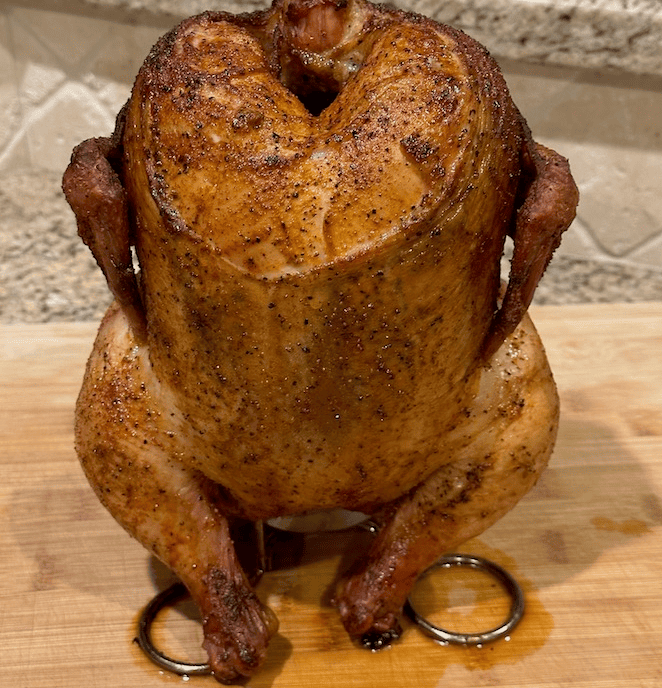
| Cut | USDA Safe Temp | Notes |
|---|---|---|
| Chicken breasts | 165°F | Pull at 160°F and rest — it will carry over to 165°F and stay juicier |
| Chicken thighs / legs / drumsticks | 165–175°F | Dark meat benefits from slightly higher temp for better texture |
| Whole chicken | 165°F | Check in the thickest part of the thigh, away from bone |
| Turkey (whole) | 165°F | Check thigh and breast separately |
| Turkey breast | 165°F | |
| Ground chicken or turkey | 165°F |
For Zach's smoked turkey, including how he keeps it moist on a long smoke, visit our Perfect Smoked Turkey on the Grill recipe.
For the ultimate smoked turkey guide with temps, times, and tips, visit our Ultimate Guide to Smoking a Turkey.
For beer can chicken (drunken chicken) done Zach's way, visit our Drunken Chicken / Beer Can Chicken recipe.
For easy spatchcock chicken on a gas grill, visit our Easy Spatchcock Chicken recipe.
For the juiciest grilled chicken breast, visit our Simple Marinated Grilled Chicken Breast recipe.
Fish & Seafood
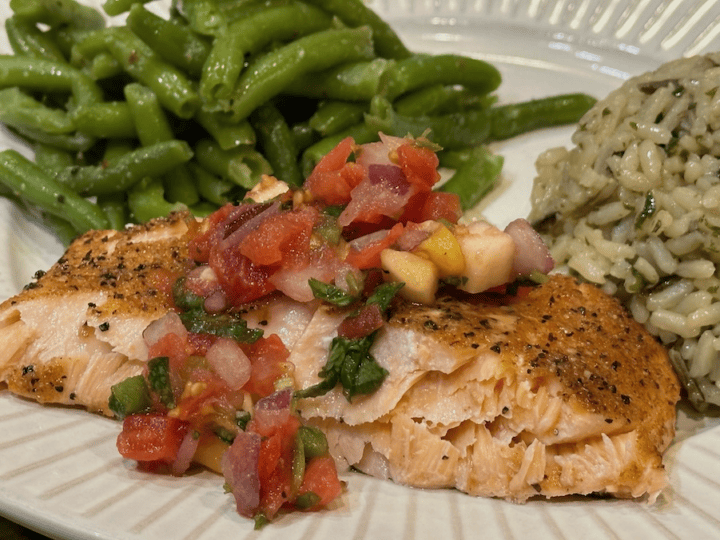
| Cut | USDA Safe Temp | Notes |
|---|---|---|
| Salmon | 125–130°F | For medium/silky texture; USDA recommends 145°F for fully cooked |
| All fish (fully cooked) | 145°F | Should flake easily with a fork |
| Shrimp | Cook until pink and opaque | No thermometer needed — visual cue works well |
For smoked salmon with mango salsa, visit our Smoked Salmon with Mango Salsa recipe.
For cast iron teriyaki salmon on the smoker, visit our Cast Iron Teriyaki Salmon recipe.
For grilled shrimp skewers, visit our Grilled Shrimp Skewers recipe.
Lamb
| Cut | USDA Safe Temp | Notes |
|---|---|---|
| Lamb chops / rack of lamb | 145°F | Medium rare; rest 3 minutes |
| Ground lamb | 160°F | |
| Lamb roast | 145°F |
The Stall — What It Is and Why It Happens
If you're smoking a large cut like brisket or pork shoulder, you'll hit what pitmasters call "the stall" — usually somewhere between 150°F and 170°F, where the internal temperature stops rising or even drops slightly for hours. This is completely normal. It happens because moisture evaporating from the surface of the meat is cooling it down as fast as the smoker is heating it up.
The solution is patience — or wrapping the meat in butcher paper or foil (the Texas crutch) to push through the stall faster. Don't panic and crank up your heat.
Don't Forget to Rest Your Meat
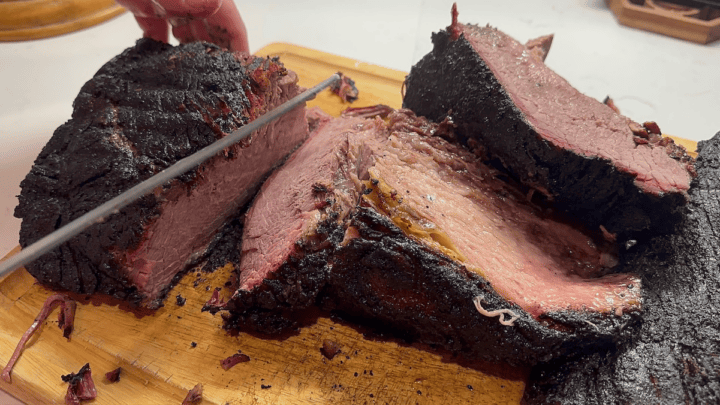
Pulling meat off the heat is only half the job. Resting is just as important. When meat cooks, the juices get pushed toward the center. Resting lets them redistribute throughout the meat so every bite is juicy — not just the middle.
General resting guidelines:
- Steaks: 5–10 minutes
- Chicken breasts: 5 minutes
- Whole chicken or turkey: 20–30 minutes
- Brisket or pork shoulder: 30–60 minutes (wrapped in butcher paper and towels, rested in a cooler)
- Ribs: 10–15 minutes
Cutting into meat too soon is one of the most common mistakes backyard grillers make. Give it time and it will reward you.
Frequently Asked Questions
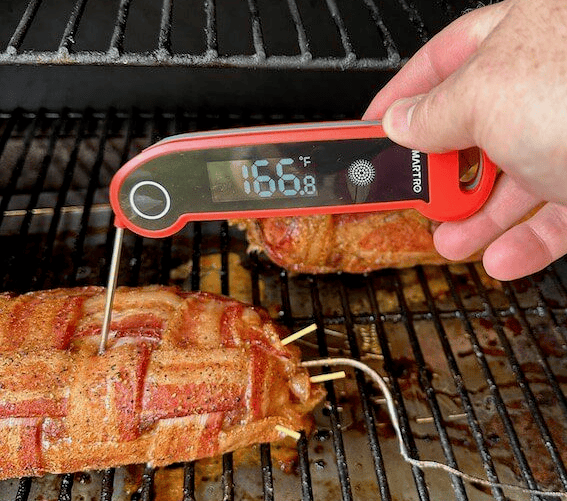
Do I really need a meat thermometer? Yes. Color, feel, and timing are all unreliable on their own. A good instant-read thermometer takes the guesswork out completely and pays for itself the first time it saves you from serving undercooked chicken or drying out an expensive brisket.
What's the best thermometer for backyard grilling? A fast, accurate instant-read thermometer is the most useful tool. For long smokes, a leave-in probe thermometer lets you monitor temp without opening the lid. Many Traeger and pellet grill owners use wireless probe thermometers that connect to their phone.
Why do some recipes say to pull meat before it hits the safe temp? Carryover cooking. Meat continues to cook after it leaves the heat source. Pulling chicken at 160°F and resting it for 5 minutes will bring it to 165°F naturally — and it'll be juicier than if you cooked it all the way to 165°F on the grill.
What does "probe tender" mean? For long cooks like brisket and pork shoulder, temperature alone isn't always the final word. "Probe tender" means a thermometer probe or toothpick slides into the thickest part of the meat with almost no resistance — like pushing it into soft butter. That's when you know it's truly done, even if the thermometer says 195°F or 205°F.
Is pink meat always undercooked? No. Properly smoked meat often has a pink "smoke ring" just under the surface — that's a sign of good smoke penetration, not undercooking. Pork cooked to 145°F can also have a slight blush of pink in the center and be perfectly safe. Trust your thermometer, not the color.
One More Thing
The numbers in this chart are your foundation. Zach has spent years developing his methods for each cut — his rubs, his smoke temps, his timing, and his finishing touches. The recipes on this site are where those details live. Use this chart as your safety net and his recipes as your roadmap.
Happy grilling. 🔥
Thanks for stopping by.
Before you go, why not pin some photos to your Pinterest boards?
About the Pit Master
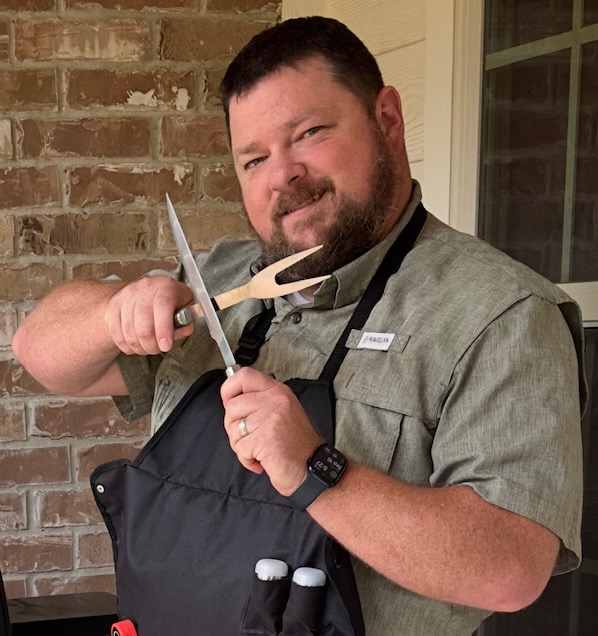
Zach Morrow is the pit master behind Backyard Texas Grill, where good food, hot grills, and Texas-sized flavor are always on the menu. He’s spent years cooking everything from brisket and steaks to chicken, pork, and other backyard favorites, learning that great barbecue isn’t just about time—it’s about temperature. Zach shares practical grilling and smoking tips to help home cooks know when their meat is safely cooked, perfectly tender, and ready to come off the heat.