How to Reheat Brisket Without Drying It Out
How to reheat brisket without drying it out — oven, smoker, sous vide, and skillet methods that keep leftover brisket moist, tender, and delicious. Plus what to do with leftovers.
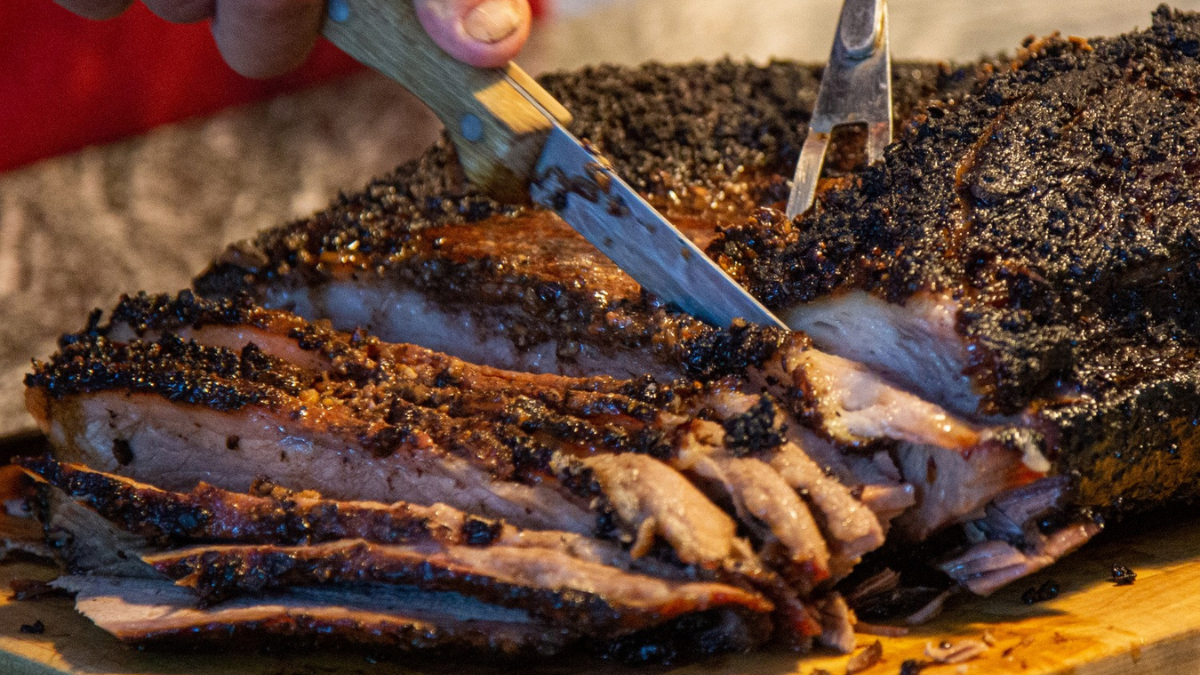
You smoked a beautiful brisket. You rested it properly, sliced it perfectly, and served it to a crowd that couldn't stop talking about it. And now you've got leftovers sitting in the refrigerator — which is honestly one of the best problems a backyard pitmaster can have.
The only challenge? Reheating brisket the wrong way turns all that effort into dry, tough, disappointing meat. And nobody wants that. The good news is that reheating brisket well is simple once you know the rules. Follow these methods and your leftover brisket will taste almost as good as it did the day you smoked it.
The Golden Rule of Reheating Brisket
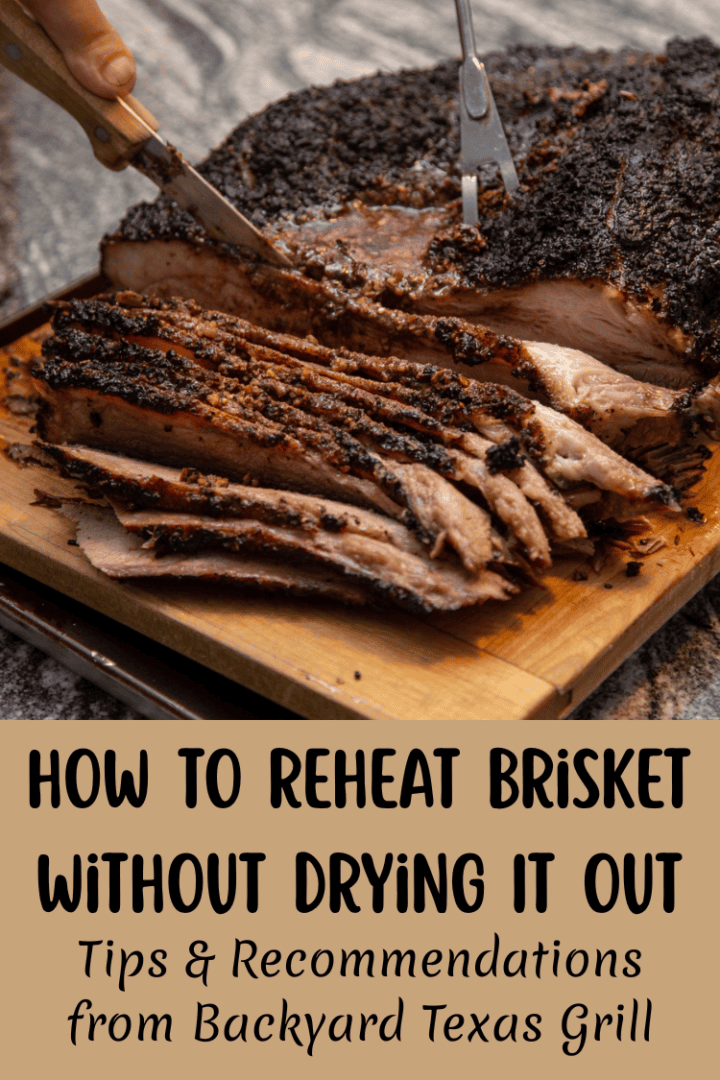
Low and slow — just like the original cook.
High heat is the enemy of leftover brisket. Blasting it in a hot oven or microwave pushes the remaining moisture out fast, leaving you with dry, chewy meat. The goal is to bring it back up to temperature gently, with as much of its original moisture preserved as possible.
How to Store Brisket for Reheating
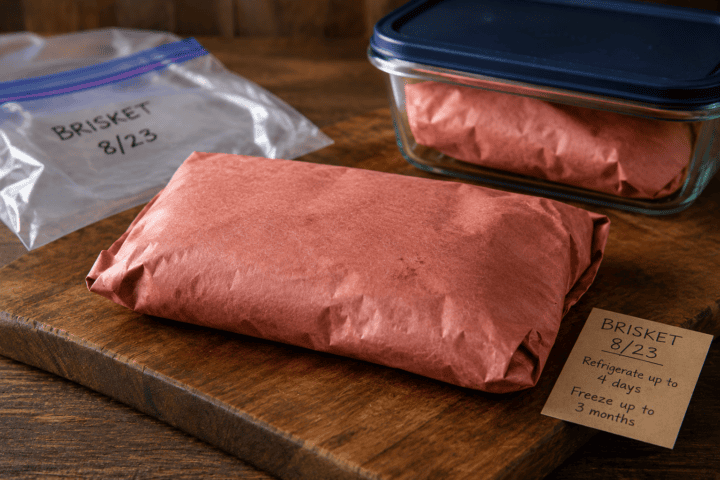
Good reheating starts with good storage. If you don't store it right, no reheating method will save it.
Refrigerator (up to 4 days): Slice only what you plan to serve immediately. Store the rest as a whole unsliced piece — or in large chunks — wrapped tightly in butcher paper or plastic wrap, then placed in an airtight container or zip-lock bag. Whole pieces retain moisture far better than pre-sliced brisket.
If it's already sliced, store it in an airtight container with a few tablespoons of the drippings or beef broth poured over the top. That liquid becomes your best friend when reheating.
Freezer (up to 3 months): Wrap tightly in plastic wrap, then again in foil or a freezer bag. Freeze in portions so you only thaw what you need. For best results, thaw in the refrigerator overnight before reheating — never thaw at room temperature.
The Best Methods for Reheating Brisket
Method 1: Oven (Best for Larger Portions)
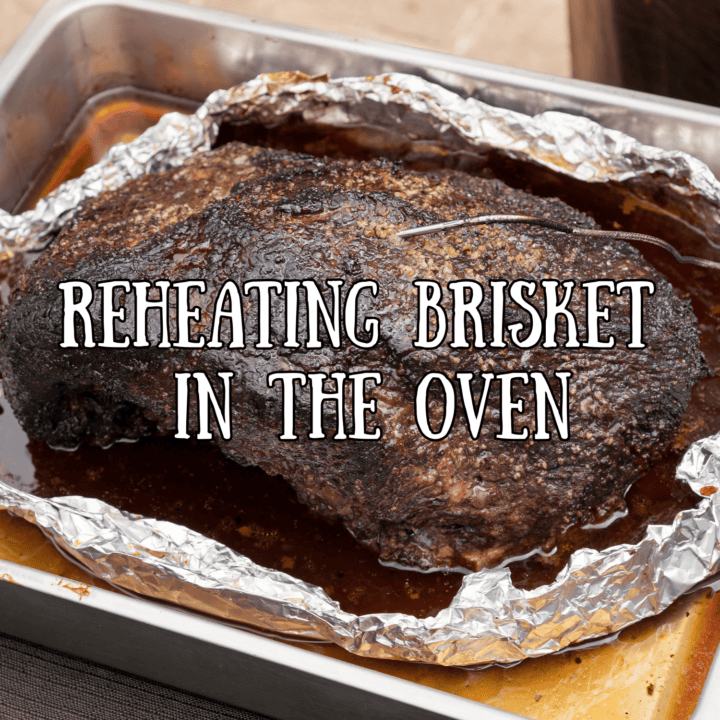
This is the most reliable method for reheating brisket and the one we use most at Backyard Texas Grill. It's gentle, consistent, and works beautifully for both sliced and whole pieces.
What you need: Baking dish with a lid or aluminum foil, beef broth or reserved drippings
Instructions:
- Preheat your oven to 300°F. Don't go higher.
- Place brisket in a baking dish. Add 2–3 tablespoons of beef broth or reserved drippings to the bottom of the dish — this creates steam that keeps the meat moist.
- Cover tightly with the lid or two layers of foil. A tight seal is important.
- Heat until the internal temperature reaches 140–165°F — usually 30–60 minutes depending on the size of the piece.
- Let it rest uncovered for 5 minutes before slicing or serving.
Tips:
- The liquid in the pan is key. Don't skip it.
- If reheating sliced brisket, layer the slices in the dish, pour broth over the top, and cover tightly. It'll take less time — check at 20 minutes.
- Don't open the oven repeatedly. Let it work.
Method 2: Back on the Smoker (Best for Flavor)
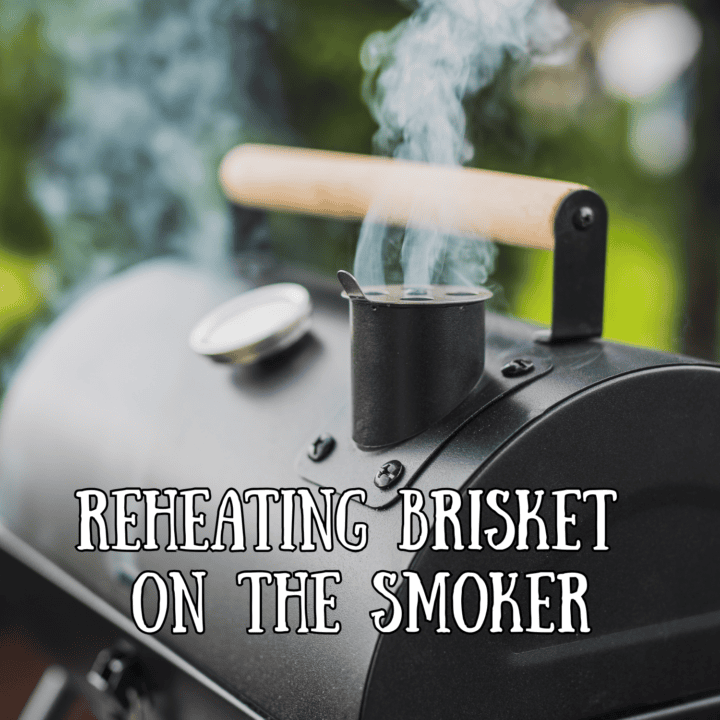
If you have time and the smoker is available, this is the method that produces the closest result to freshly smoked brisket. The low smoke environment gently warms the meat while adding a little extra smoke flavor to the exterior.
Instructions:
- Pull brisket from the refrigerator and let it sit at room temperature for 30 minutes.
- Fire up the smoker to 225–250°F.
- Wrap the brisket tightly in butcher paper with a splash of beef broth or drippings inside the wrap.
- Place on the smoker and heat until internal temp reaches 140–165°F — usually 1–2 hours depending on size.
- Unwrap, rest 10 minutes, slice and serve.
Why it works: The butcher paper wrap traps moisture while still letting a little smoke through. The result is brisket that tastes like it just came off the smoker.
This method pairs perfectly with our Texas Style Smoked Beef Brisket recipe — if you have leftover brisket, this is how to bring it back to life.
Method 3: Sous Vide (Best for Precision)
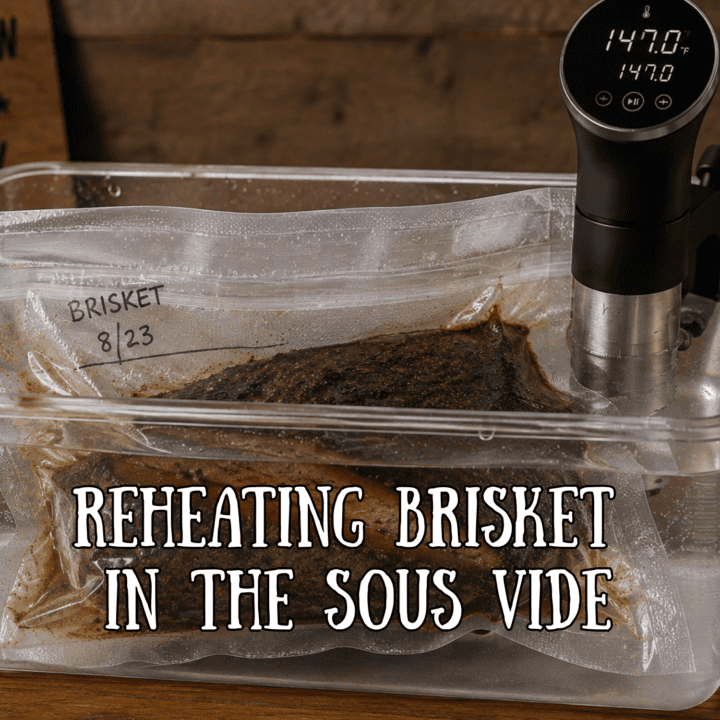
If you have a sous vide immersion circulator, this is technically the most perfect method for reheating brisket. The sealed bag traps every drop of moisture and the precise temperature control means you can't accidentally overcook it.
Instructions:
- Place brisket (sliced or whole) in a vacuum seal bag or heavy-duty zip-lock bag with a splash of beef broth or drippings.
- Seal tightly, removing as much air as possible.
- Set sous vide to 150°F and submerge the bag.
- Heat for 1–3 hours depending on thickness.
- Remove, pat dry, and if desired run the exterior quickly under the broiler or on a hot grill for 1–2 minutes to refresh the bark.
Method 4: Skillet on the Stovetop (Best for Small Portions)
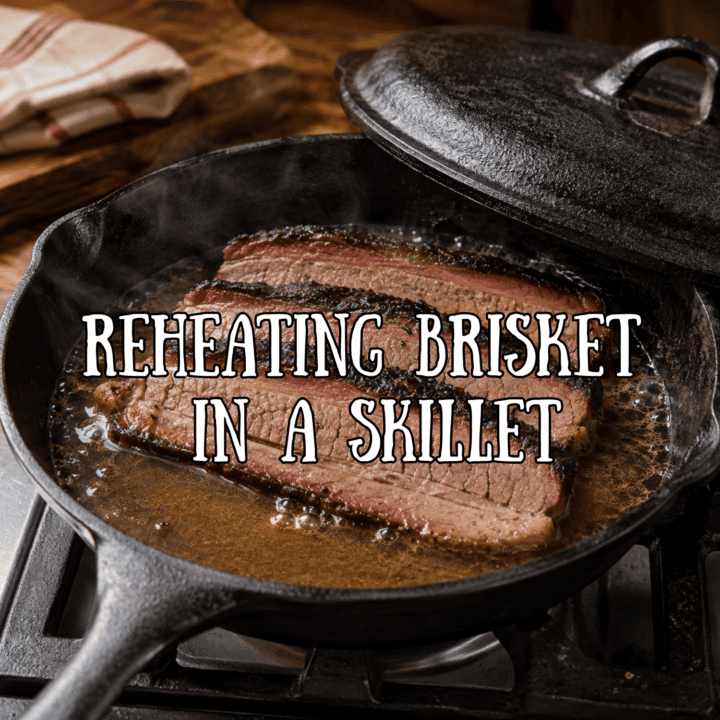
For just a few slices, a cast iron skillet on the stovetop is quick and effective.
Instructions:
- Heat a cast iron skillet over medium-low heat.
- Add a splash of beef broth to the pan — just enough to coat the bottom.
- Add brisket slices in a single layer. Cover with a lid or foil.
- Heat for 3–5 minutes per side, adding a little more broth if the pan gets dry.
- Serve immediately.
Note: This method works best for flat slices rather than thick chunks, and you need to watch it carefully — medium-low heat only.
Our cast iron cookware does this job beautifully. For everything you need to know about cooking with cast iron, visit our Ultimate Cast Iron Guide.
Method 5: Microwave (Last Resort Only)
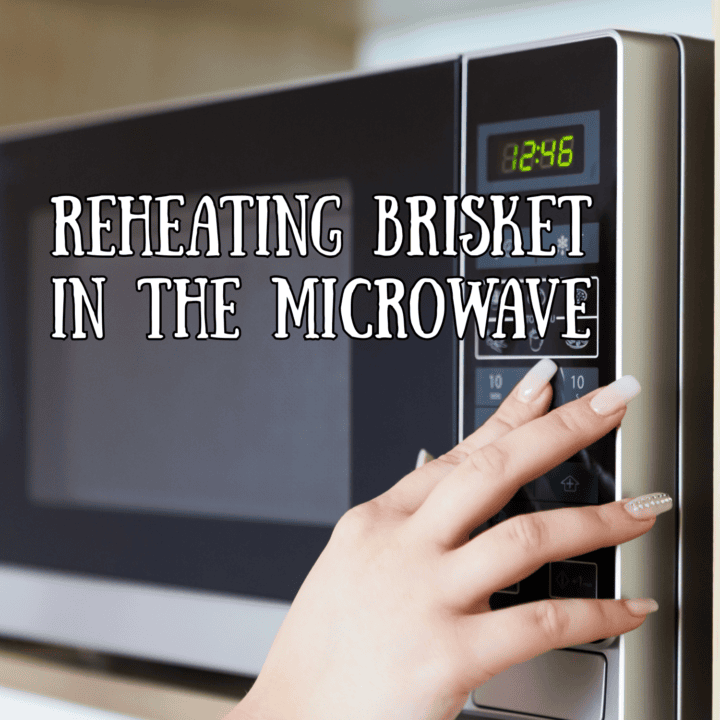
We're not going to pretend the microwave doesn't exist. Sometimes it's what you've got. But it's the hardest method to control and the most likely to dry out your brisket, so use it carefully.
If you must use the microwave:
- Place slices in a microwave-safe dish.
- Add a splash of beef broth over the top.
- Cover tightly with a damp paper towel or microwave-safe lid.
- Heat in 30-second intervals on 50% power, checking after each interval.
- Stop as soon as it's warmed through — overheating is instant and irreversible.
What to Do with Leftover Brisket (Beyond Reheating as-Is)
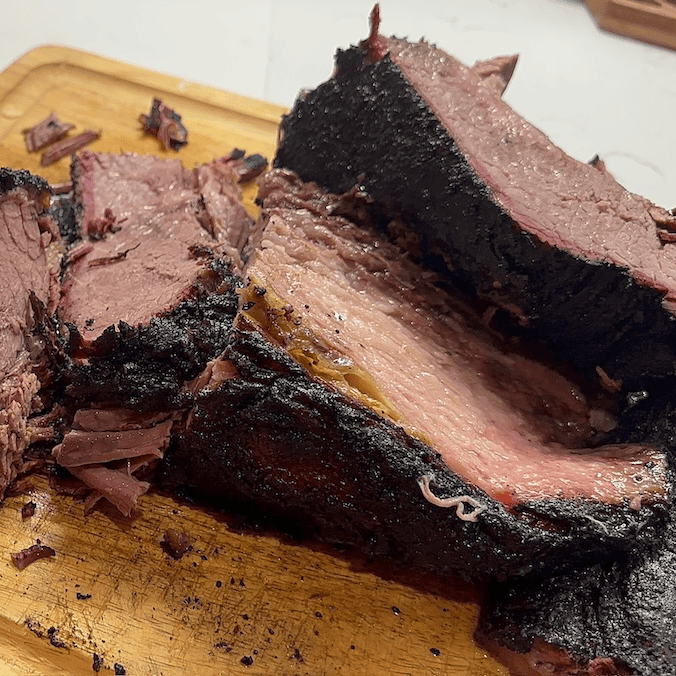
Sometimes leftover brisket is even better when it becomes something new entirely. A few ideas:
Brisket Tacos: Chop or shred the brisket, warm it in a skillet with a splash of beef broth, and pile it into warm tortillas with your favorite toppings. One of the best things you'll ever eat.
Brisket Nachos or Queso: Chop the brisket and stir it into queso for a killer appetizer. Our Smoked Brisket Queso was practically made for this.
Brisket Sandwiches: Pile reheated slices onto Texas toast with a little BBQ sauce. Our Foolproof Texas BBQ Sauce is the obvious pairing here.
Brisket Hash: Chop leftover brisket and fry it in a cast iron skillet with diced potatoes and onions for an incredible breakfast hash.
Frequently Asked Questions
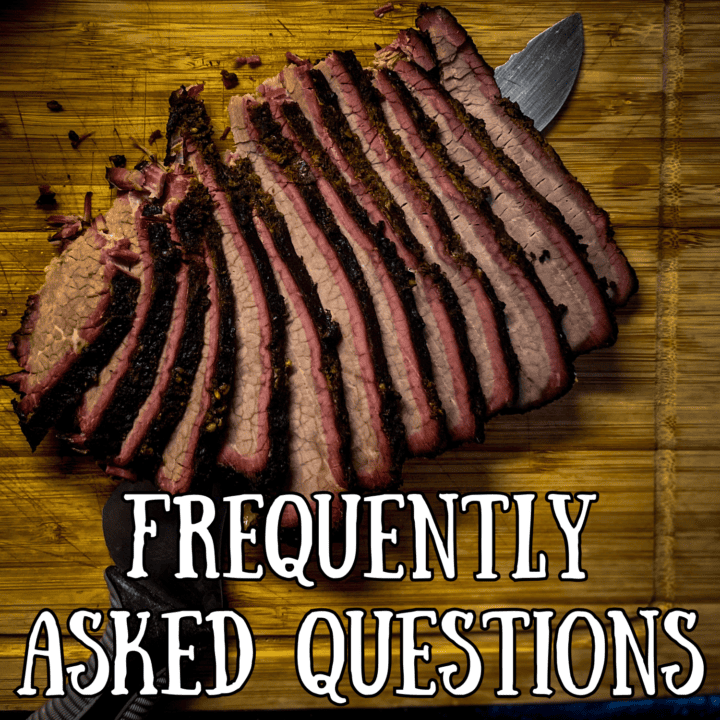
How long does leftover brisket last in the refrigerator? Up to 4 days stored properly in an airtight container. After that, freeze it.
Can I reheat brisket from frozen? Yes, but always thaw it in the refrigerator overnight first. Reheating from frozen tends to heat the outside before the inside warms through, which can dry out the exterior. Patience pays off here — thaw first, then reheat low and slow.
Should I reheat brisket with or without the fat cap? If your brisket still has the fat cap on, reheat it fat-side up. The fat will baste the meat as it warms, adding moisture naturally.
My brisket is already dry. Can I save it? Sometimes. Slice it thin, place in a baking dish with a generous pour of beef broth, cover tightly, and heat low and slow at 275°F. It won't be the same as perfectly moist brisket, but the broth will revive it enough to be enjoyable. Alternatively, chopped dry brisket works well in brisket queso or tacos where the sauce adds the moisture back.
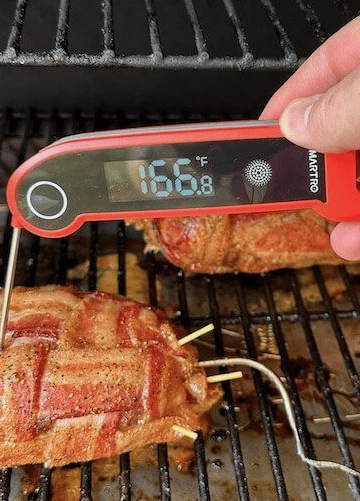
What's the best temperature to reheat brisket to? 140°F is the USDA safe minimum for reheating beef. We recommend bringing it to 150–165°F for the best texture and to ensure it's warmed all the way through. Use an instant-read thermometer — the same one you used on the original cook.
How do I keep brisket warm for a party without drying it out? Set your oven to its lowest setting (usually 170–200°F), wrap the brisket tightly in butcher paper or foil with a splash of drippings inside, and hold it there for up to 2 hours. A cooler works even better for holding — wrap in butcher paper, then towels, and place in a cooler. It'll stay hot for 3–4 hours.
What to Serve with Leftover Brisket
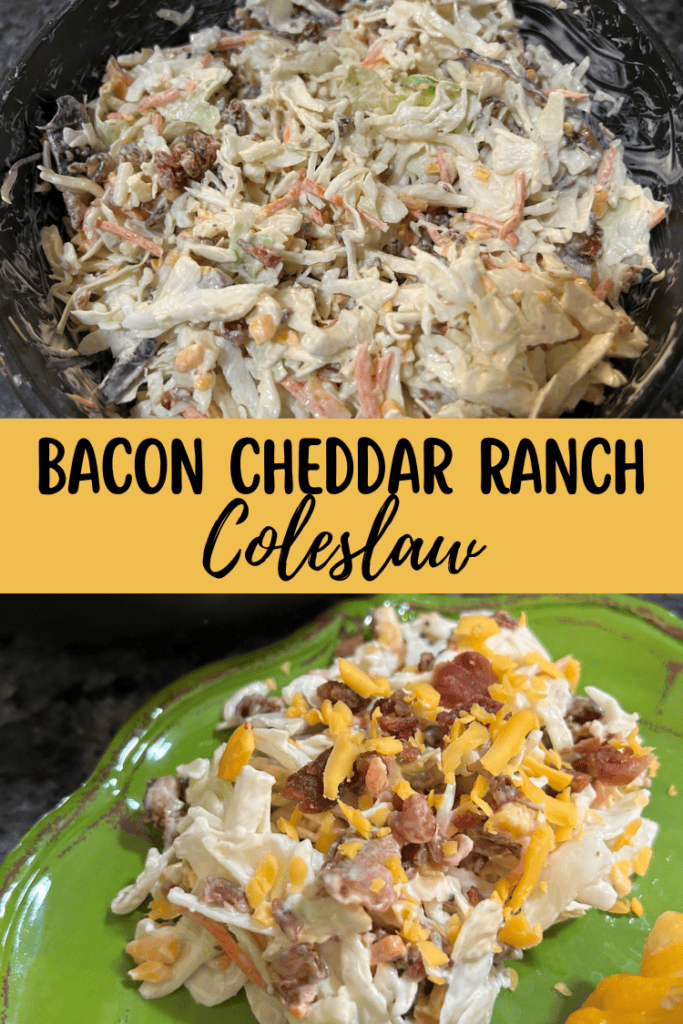
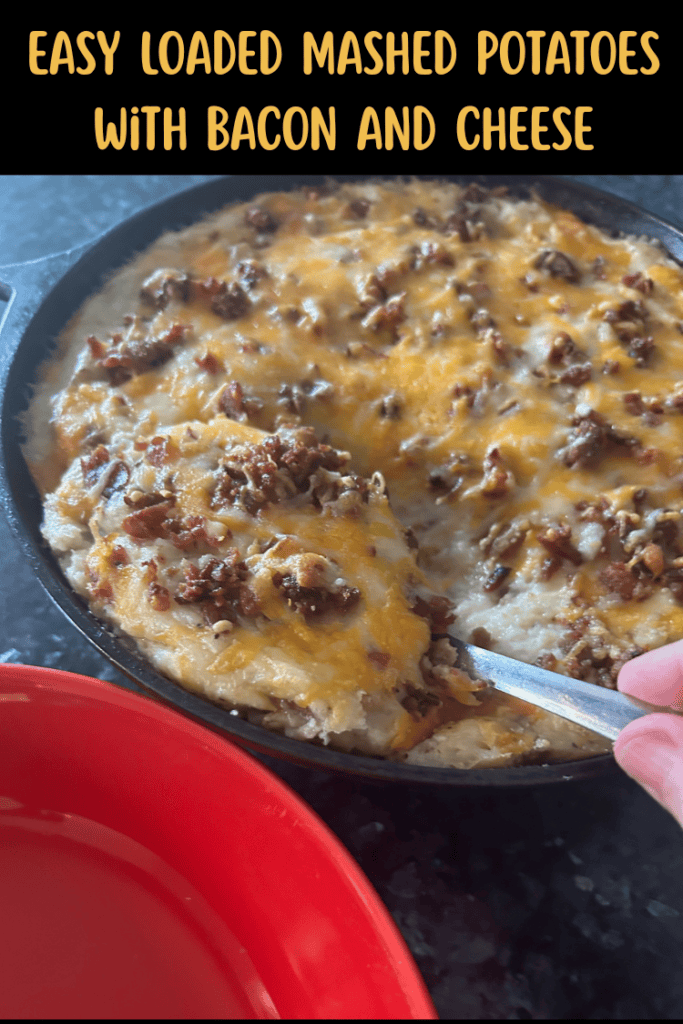
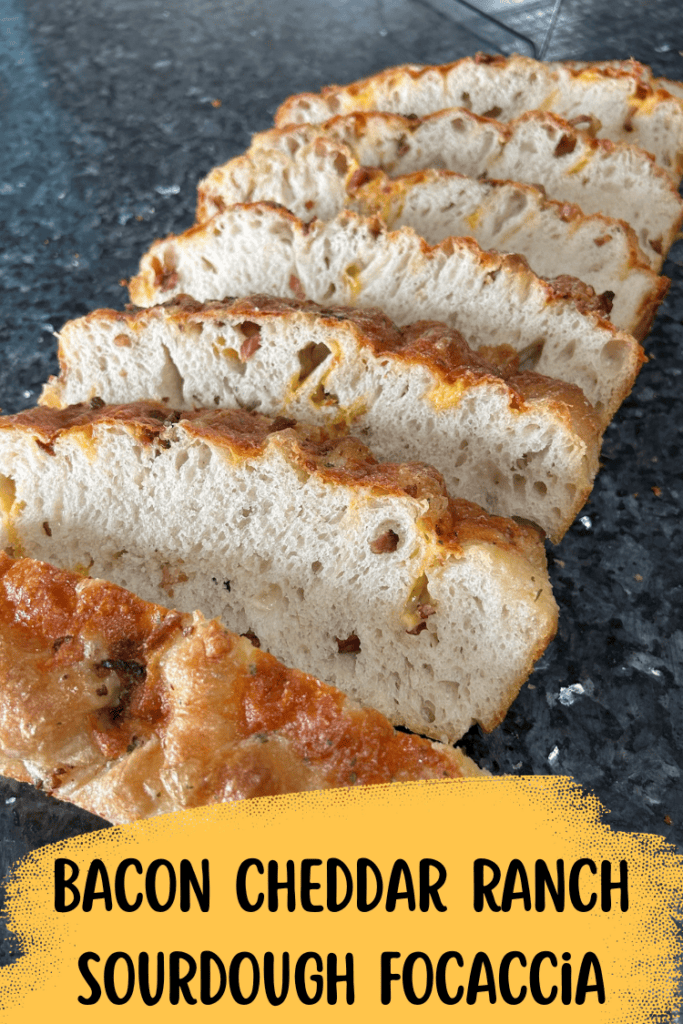
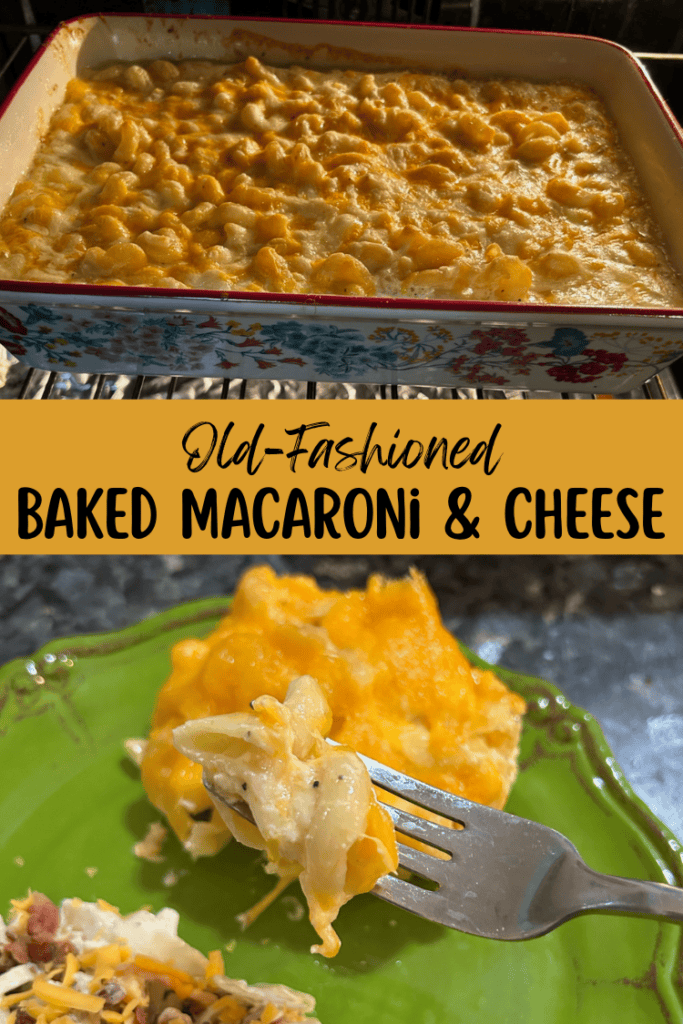
Once your brisket is hot and juicy again, all it needs are a few good sides to turn those leftovers into another full meal. You can stick with classic Texas barbecue sides or change things up completely depending on how much brisket you have left.
For a traditional barbecue plate, serve reheated brisket with baked beans, creamy coleslaw, potato salad, macaroni and cheese, or skillet cornbread. Pickles, sliced onions, jalapeños, and a little barbecue sauce on the side round everything out nicely.
Leftover brisket is also perfect for more casual meals. Pile it onto baked potatoes with butter, cheese, sour cream, and green onions, or use it to make brisket sandwiches on toasted buns. Chopped brisket is terrific in tacos, quesadillas, nachos, or grilled cheese sandwiches, too.
And don't overlook breakfast. A small amount of leftover brisket can go a long way when chopped and added to a breakfast hash, scrambled eggs, breakfast tacos, or an omelet.
Easy Sides for Reheated Brisket
- Baked beans
- Potato salad
- Macaroni and cheese
- Coleslaw
- Cornbread or dinner rolls
- Mashed or roasted potatoes
- Green beans
- Corn on the cob
- Pickles, onions, and jalapeños
Sometimes the best second meal is the simplest one: warm brisket, a couple of favorite sides, and dinner is done without firing up the smoker all over again.
The Bottom Line
Leftover brisket is a gift — treat it that way. Low heat, a splash of liquid, a tight seal, and patience are all you need to bring it back to life. Whether you're using the oven, the smoker, or a cast iron skillet, the goal is always the same: warm it gently, keep the moisture in, and never rush it.
Ready to smoke your next brisket? Visit our Texas Style Smoked Beef Brisket recipe for Zach's full method — from rub to rest.
Thanks for Stopping By!
If you make any of our great foods pease leave a comment or review. Before you go, why not pin some pictures to your Pinterest boards.