Chicken-Fried Chicken with Cream Gravy
Make Texas chicken-fried chicken with a crispy double-dredged crust and easy cream gravy. A restaurant-quality Southern comfort-food favorite!
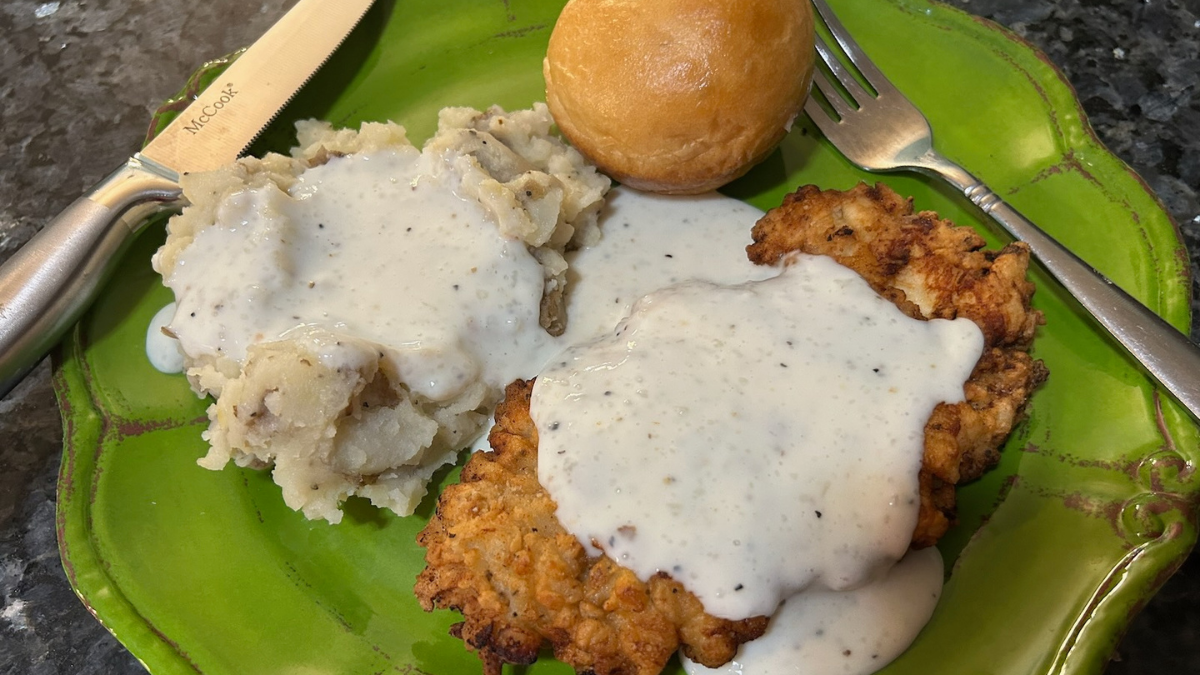
If you love crispy, golden chicken-fried steak but prefer chicken, you're going to love this Texas-style Chicken-Fried Chicken.
Thin chicken breasts are soaked in seasoned milk, double-dredged in seasoned flour, and shallow-fried until the coating is craggy and crisp and the chicken inside is tender and juicy.
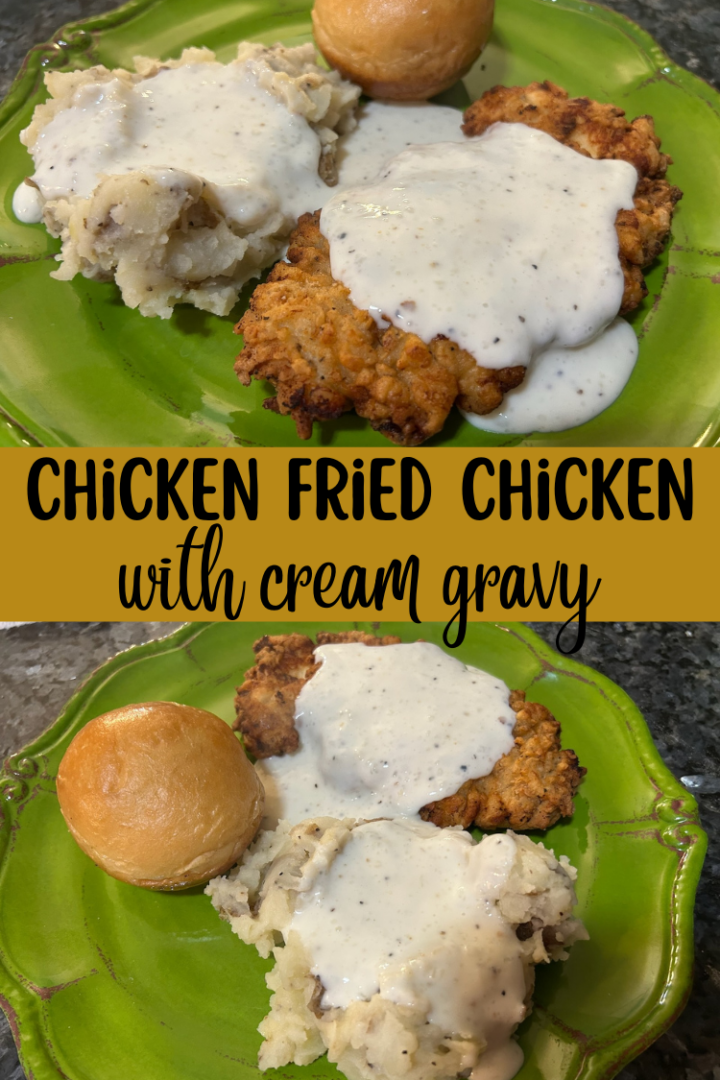
Top it with an easy homemade cream gravy and serve it with rustic mashed potatoes and green beans for the kind of old-fashioned Southern comfort-food supper that tastes like it came straight from your favorite little Texas café.
And believe me when I say that successfully frying this chicken was a long time coming.
My Long and Slightly Traumatic History with Fried Chicken
Some people grow up learning how to fry chicken at their mother's elbow. I grew up learning that hot oil should be respected.
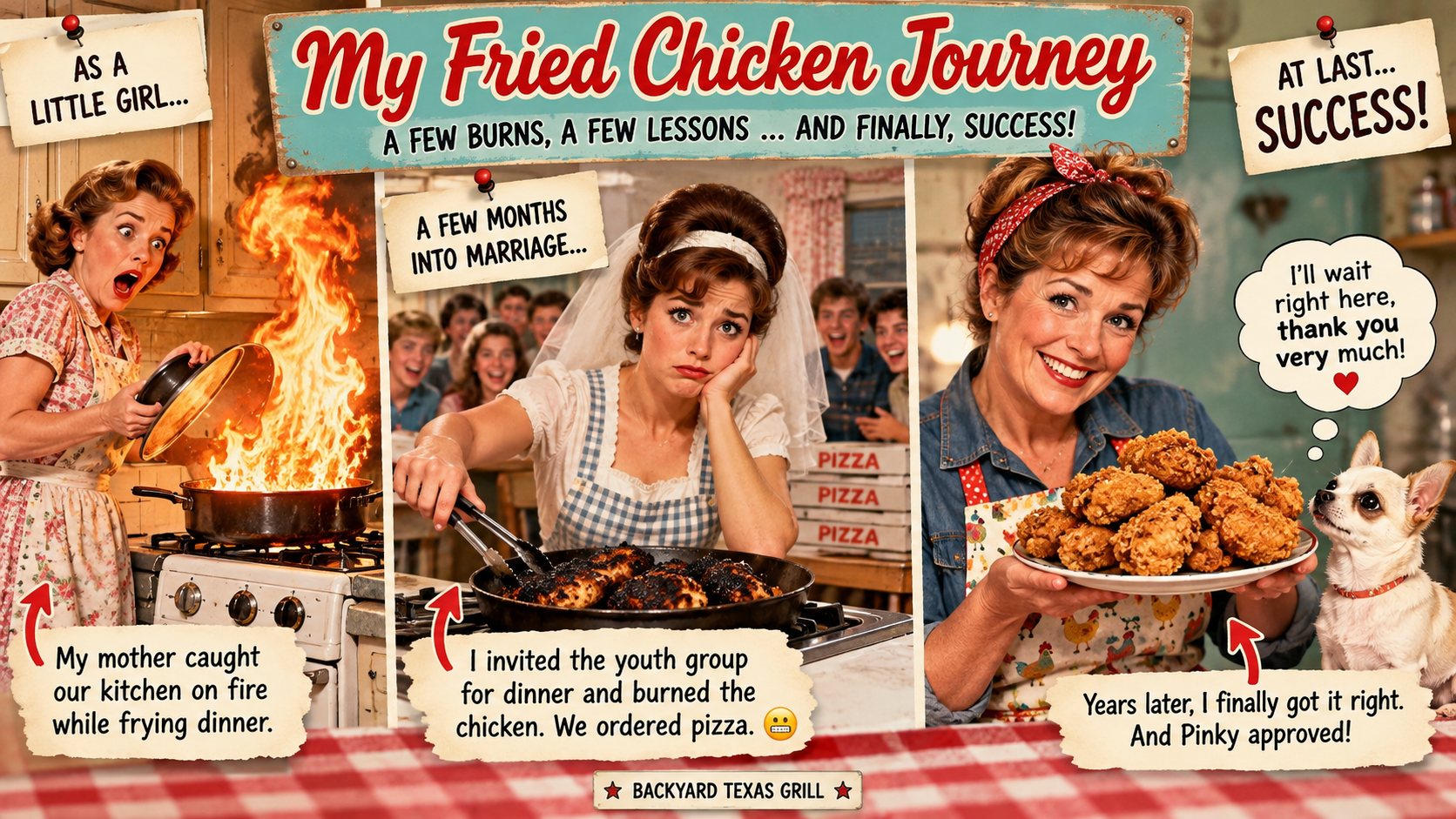
When I was a little girl, my mother caught our kitchen on fire while deep frying our dinner. I'm pretty sure she was making French fries at the time, but what I remember most is that the fire actually reached the kitchen cabinets. You'd think that experience would have kept me away from frying chicken altogether, but apparently I needed to learn my own lesson.
Jump ahead nearly twenty years. I had only been married for a few months and was expecting my oldest daughter when we invited the youth group to our house for a get-together. I was supposed to cook for everybody, and for reasons I can no longer explain, I decided fried chicken was a good idea.
I bought a chicken already cut into pieces, heated the oil, and put the chicken in. It immediately started burning. I had gotten the oil much too hot, so the outside of the chicken was burned while the inside was still completely raw. The apartment filled with smoke, the teens came in to the scent of burning meat, and I was humiliated.
As I recall, we ended up ordering pizza.
Somewhere between ruining the youth group party and my mom catching the kitchen on fire, I became hyper-sensitive about hot oil.
Which brings us to this chicken.
Fried Chicken Redemption
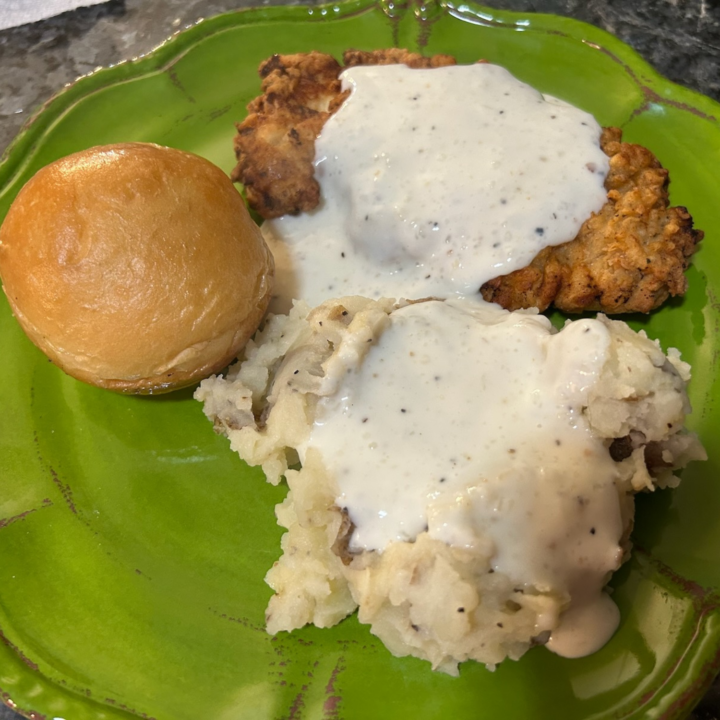
I approached this recipe with a healthy amount of caution. I kept a thermometer nearby and watched the temperature of the oil throughout the frying process, adjusting the heat whenever necessary.
And it worked.
Boy, did it work.
The coating was crisp and craggy, the chicken stayed juicy, and when I finally sat down to eat, I had one immediate thought:
This tastes just like chicken-fried chicken from a restaurant. (Janice pauses to mourn the loss of her favorite chicken fried steak restaurant. Our beloved Barbecue Inn just shut down and we're all still grieving.)
After all these years, I finally got my fried chicken redemption. I can make my own chicken fried chicken at home.
There was only one member of the household who wasn't completely satisfied with the arrangement.
Pinky Waits for Her Prize

My littlest Chihuahua, Pinky, was hovering around my feet while I fried the chicken. With hot oil bubbling on the stove, that made me nervous, so I kept sending her out of the kitchen.
Eventually she retreated to the living room, where she sat about twenty feet away and watched me.
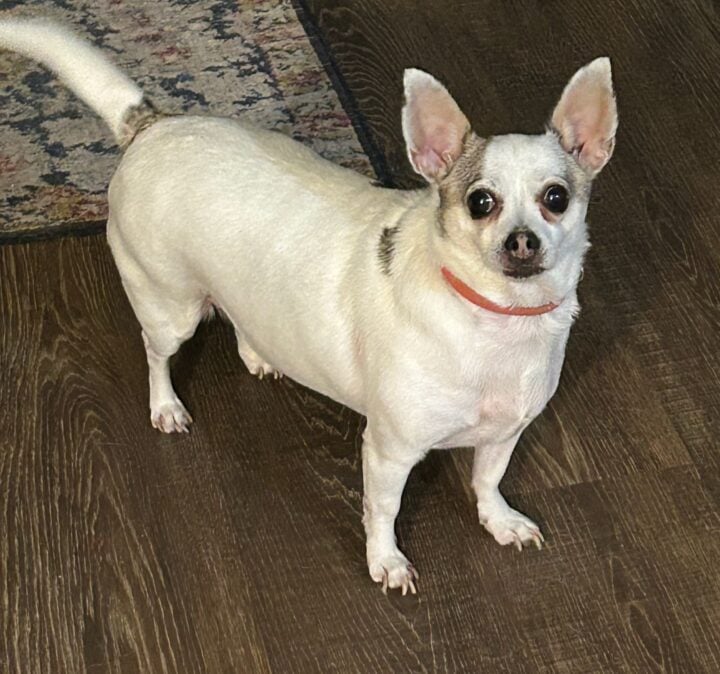
I wish you could have seen her face.
If you remember the old television show Queen for a Day, that's exactly what Pinky looked like. She had apparently won the grand prize and was 100 percent certain that the enormous quantity of chicken frying in my kitchen was being prepared especially for her.
It was not.
Though after all that patient waiting, she did eventually get a tiny piece of plain chicken from inside the breading.
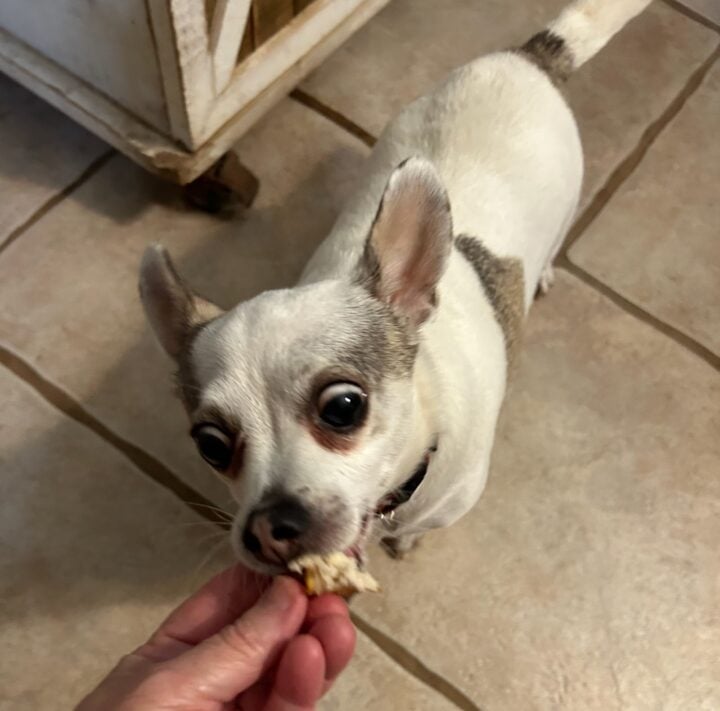
Judging by the expression on her face, (and those bugged eyes of hers) Pinky gives this recipe five stars, too.
What Is Chicken-Fried Chicken?
Chicken-fried chicken is essentially the poultry cousin of Chicken-Fried Steak. Instead of tenderized beef, boneless chicken breasts are pounded thin, coated in seasoned flour, and fried until golden and crisp.
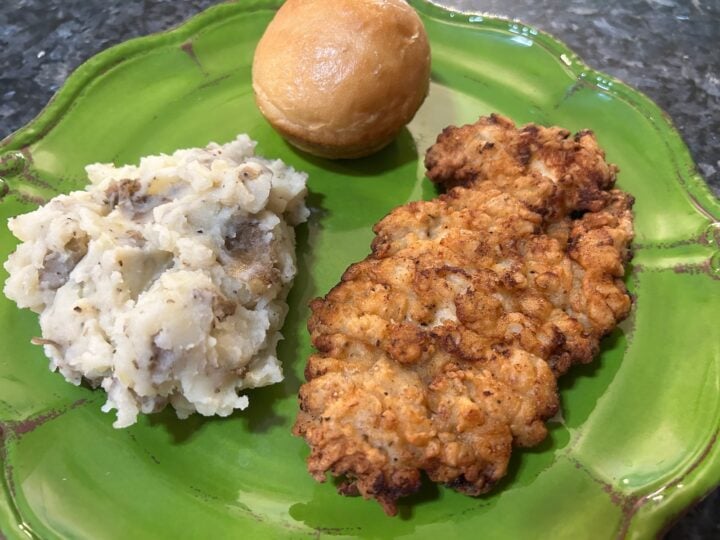
And despite the name, there's no chicken-frying-the-chicken situation happening here. “Chicken-fried” refers to the preparation method traditionally used for fried chicken.
It's usually served with white cream gravy, mashed potatoes, green beans, biscuits, or other traditional Southern sides.
If you're already a fan of our Chicken-Fried Steak, you'll feel right at home with this recipe.
Why You're Going to Love This Recipe
There's so much to love about this one. It uses ordinary boneless chicken breasts, and pounding them thin means they cook quickly and evenly. The double flour dredge creates an extra-craggy crust without the need for breadcrumbs or panko, and you don't need buttermilk, either.
In fact, I originally planned to add vinegar to my regular milk to make a quick buttermilk substitute. I forgot!
The chicken turned out so beautifully that I've decided there's no point fixing what isn't broken. Plain milk it is!
Best of all, a couple pounds of chicken makes a surprisingly large amount of food once it's sliced, pounded, and breaded. This is a terrific recipe when you're feeding a hungry family.
Ingredients for Chicken-Fried Chicken
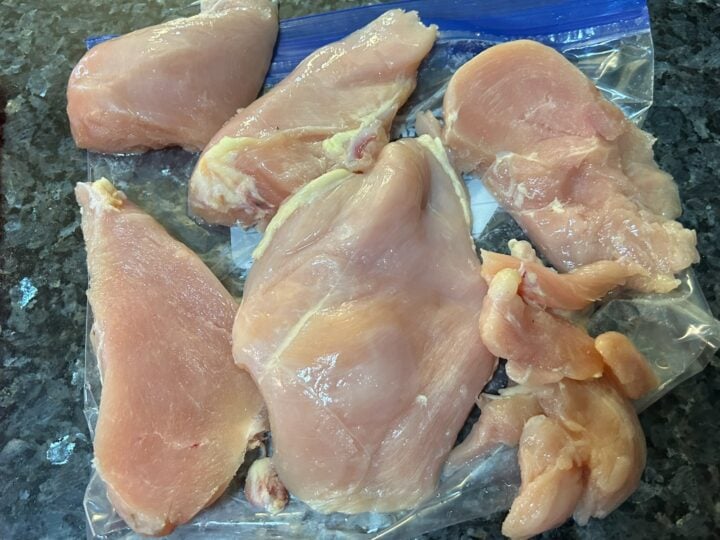
You'll need:
- 2 pounds boneless, skinless chicken breasts
- About 2 cups milk
- 1 teaspoon salt
- 1 teaspoon black pepper
- 1 teaspoon garlic powder
- 1 teaspoon onion powder
- 1 teaspoon paprika or your favorite all-purpose seasoning
For the Seasoned Flour
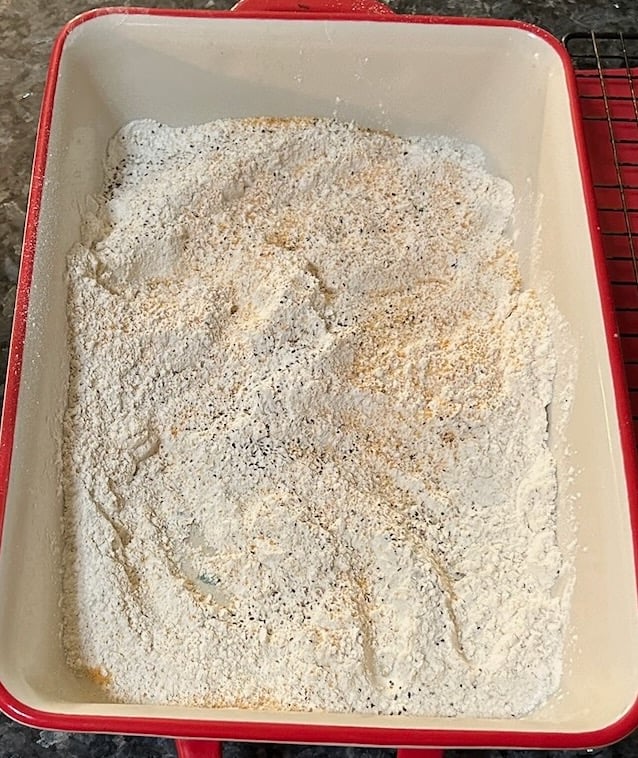
- 2½ cups all-purpose flour
- 1½ teaspoons salt
- 1½ teaspoons black pepper
- 1 teaspoon garlic powder
- 1 teaspoon onion powder
- 1 teaspoon paprika
- 2–3 tablespoons seasoned milk mixture
- Vegetable or canola oil for frying
For the Easy Cream Gravy
- 2–3 tablespoons reserved pan drippings
- 1½ cups milk
- Salt and black pepper to taste
- Garlic powder or all-purpose seasoning to taste, optional
- 1 tablespoon cornstarch, plus additional if needed
- 2 tablespoons cold water or milk
A printable recipe card with complete instructions can be found at the bottom of this post.
How to Prepare the Chicken
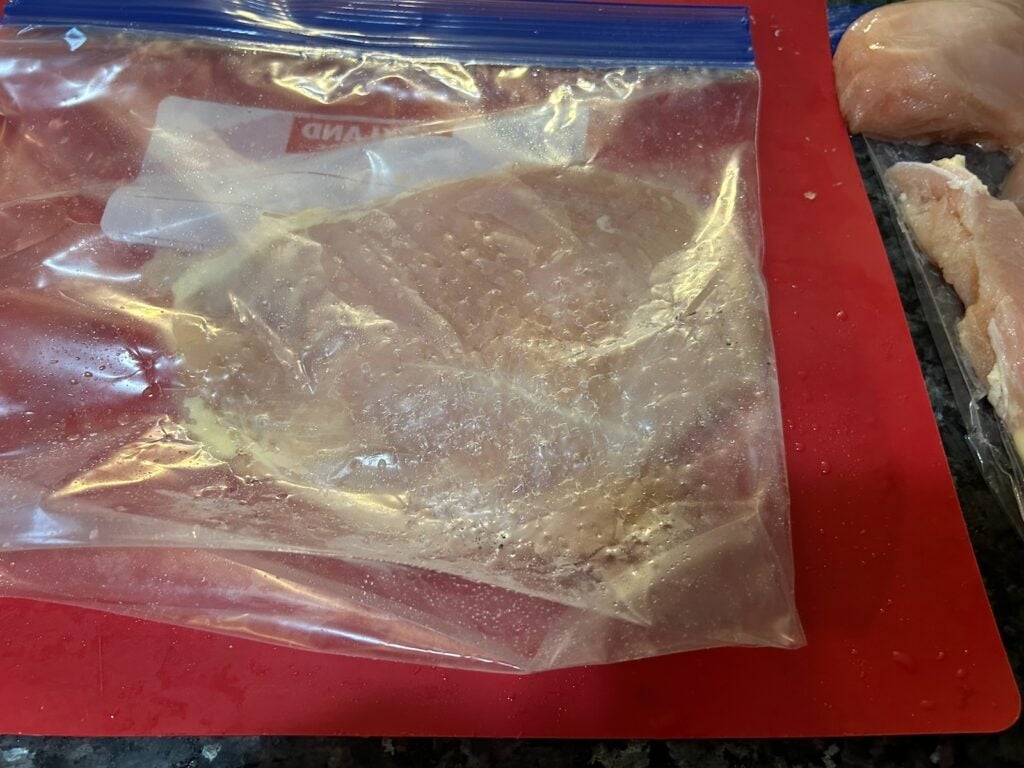
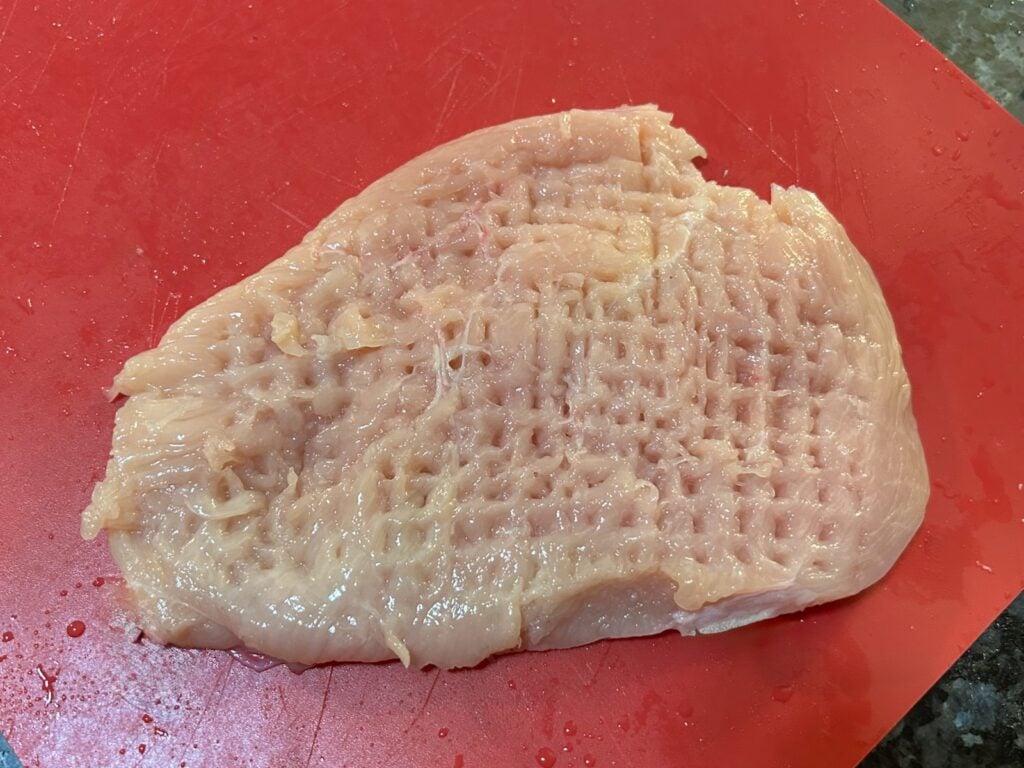
If you're starting with very large chicken breasts, slice them horizontally into thinner cutlets before pounding them. Mine were enormous, so I was able to get several pieces from the chicken I started with.
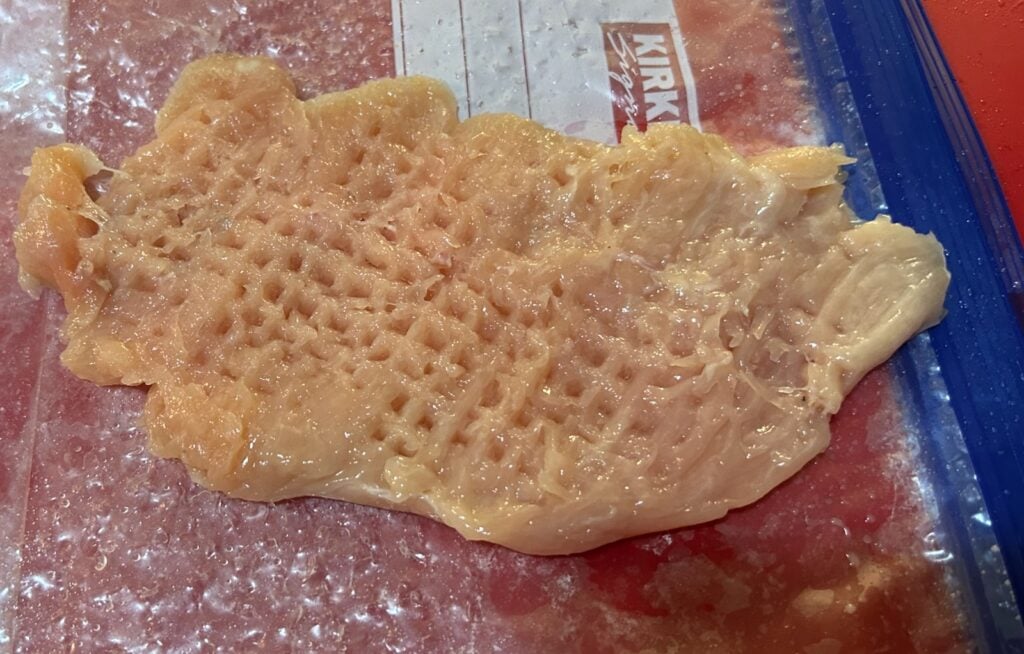
Place the chicken between sheets of plastic wrap or inside a large zip-top bag and pound it to approximately ⅓–½ inch thick.
Don't worry if the pieces aren't perfectly shaped. Those irregular edges will eventually become some of the crispiest parts.
Soak the Chicken in Seasoned Milk
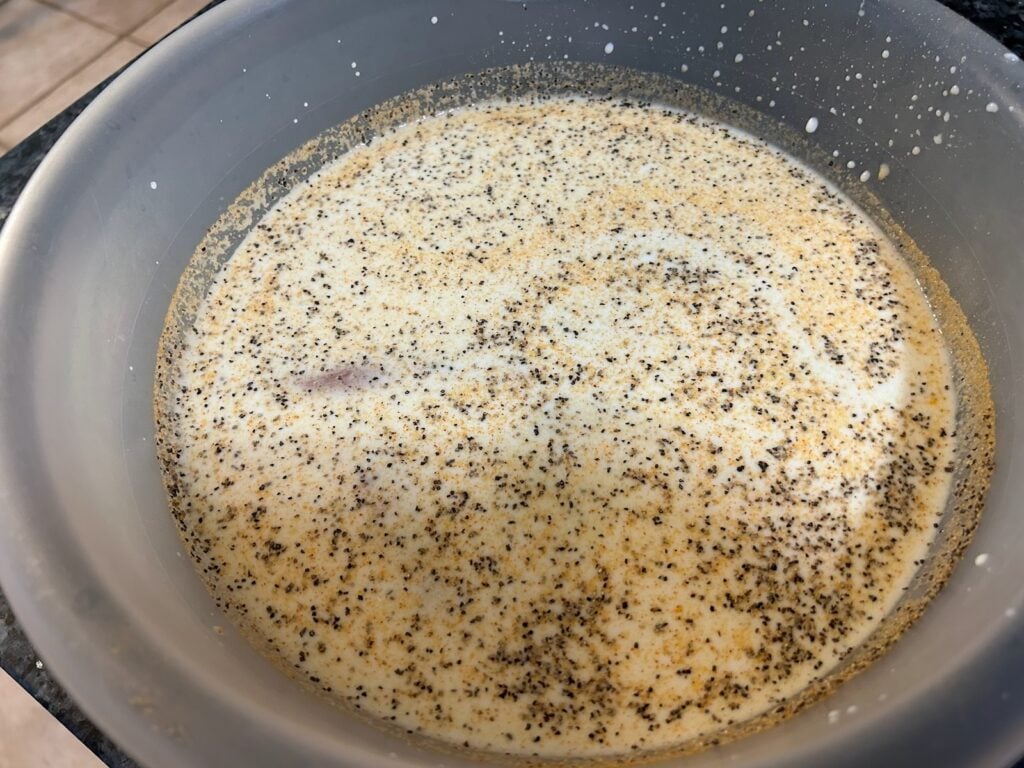
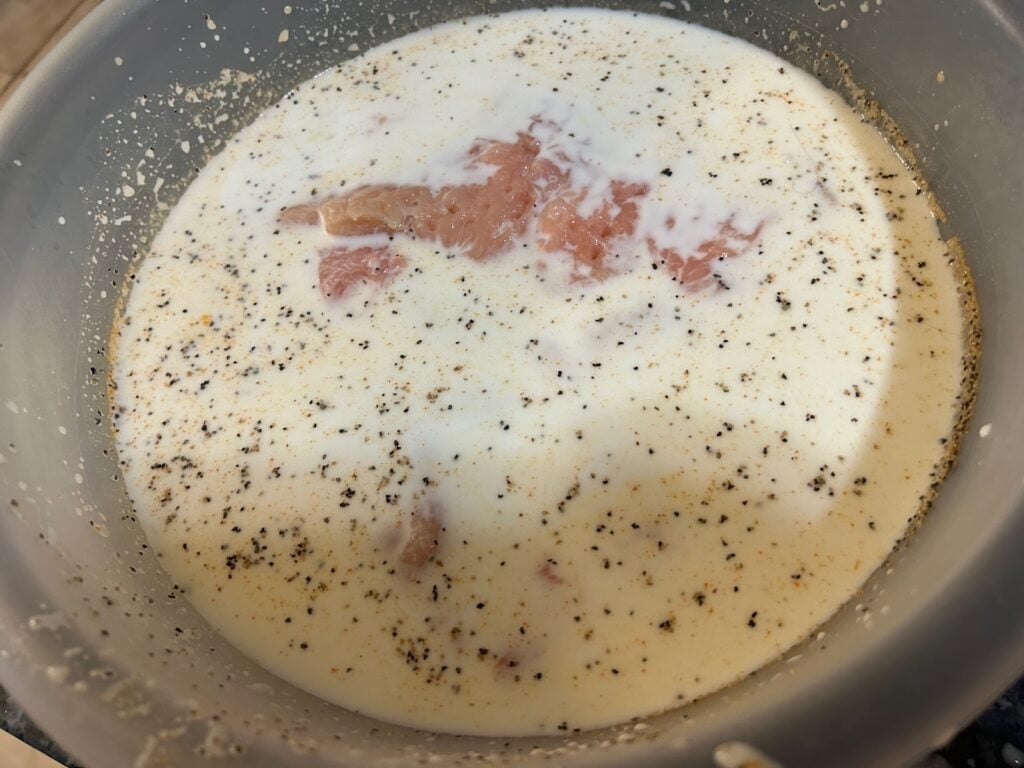
Place the milk in a large bowl and season it with salt, pepper, garlic powder, onion powder, and paprika or your favorite seasoning blend.
Add the chicken and make sure all of the pieces are coated.
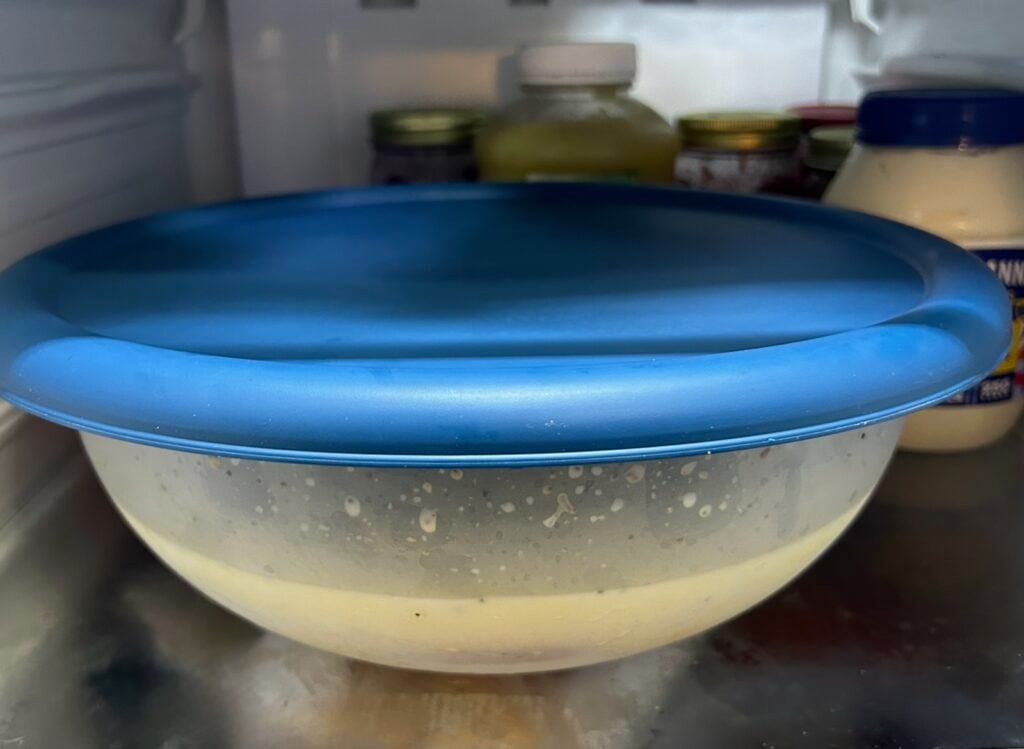
Cover and refrigerate for at least 30 minutes. An hour or two is even better.
And, no, you don't need buttermilk. I have photographic proof.
The Secret to That Craggy Chicken-Fried Coating
Combine the flour and seasonings in a large shallow bowl or dish.
Now here's a little trick that made a big difference: drizzle 2–3 tablespoons of the seasoned milk mixture into the flour and toss it around with a fork or your fingertips.
You're intentionally making little flour clumps.
Those shaggy pieces of flour stick to the chicken and become wonderfully crisp little nooks and crannies when they hit the hot oil.
Double-Dredge the Chicken
Remove a piece of chicken from the milk and allow the excess to drip away.
Coat it thoroughly in seasoned flour.
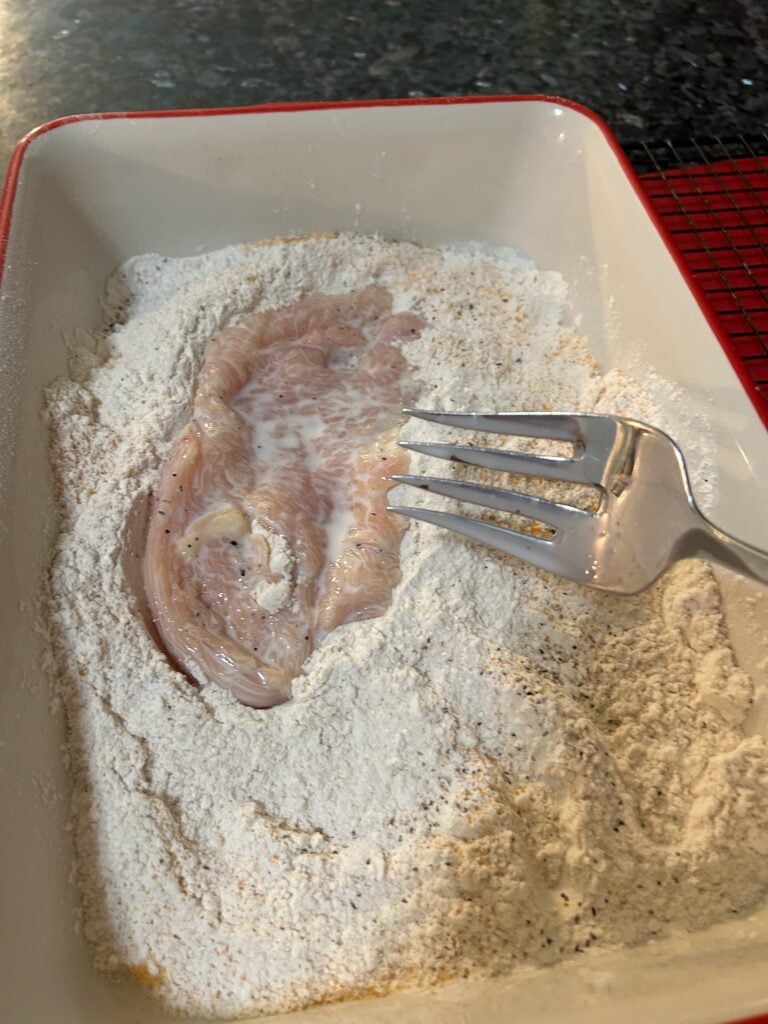
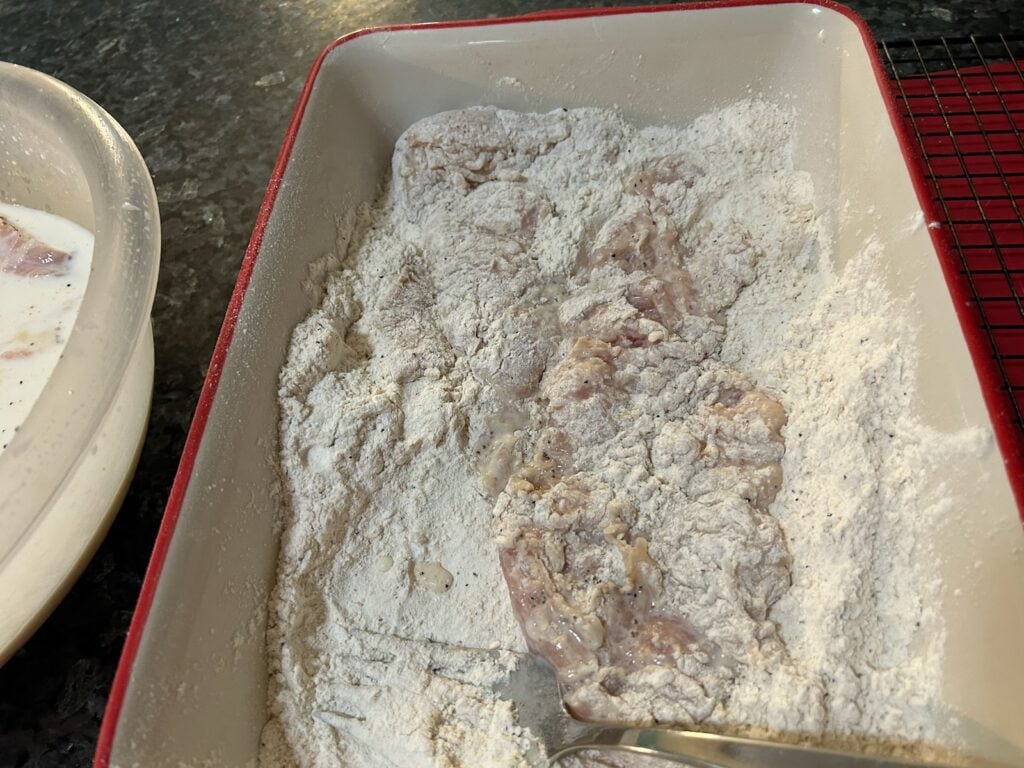
Then put it back into the milk and back into the flour a second time.
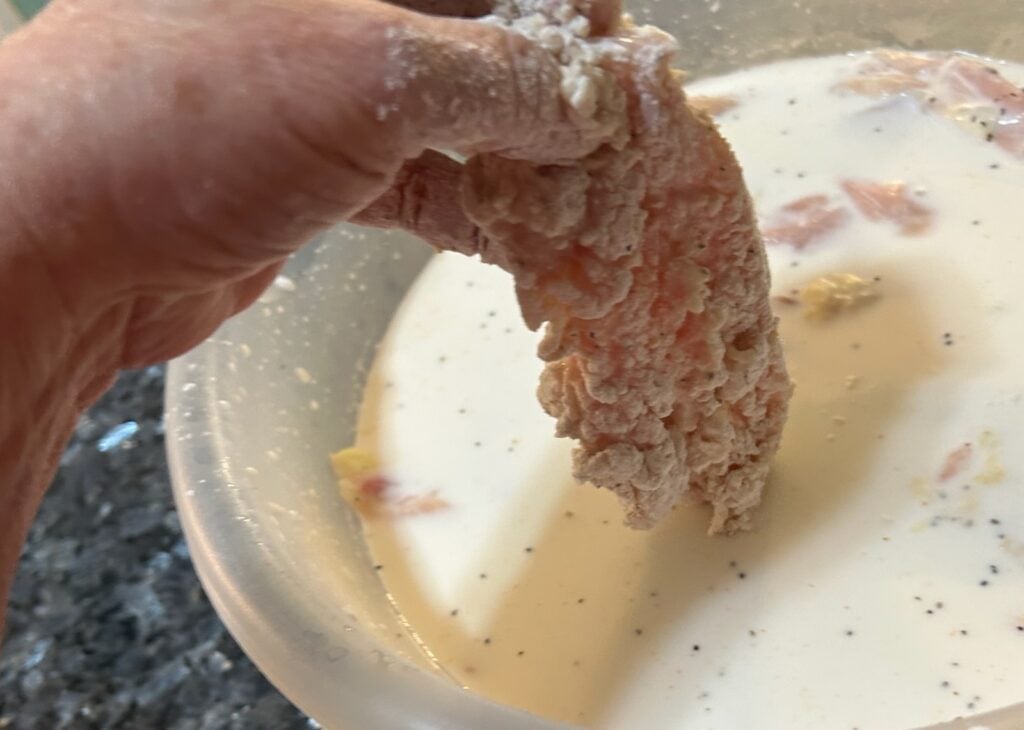
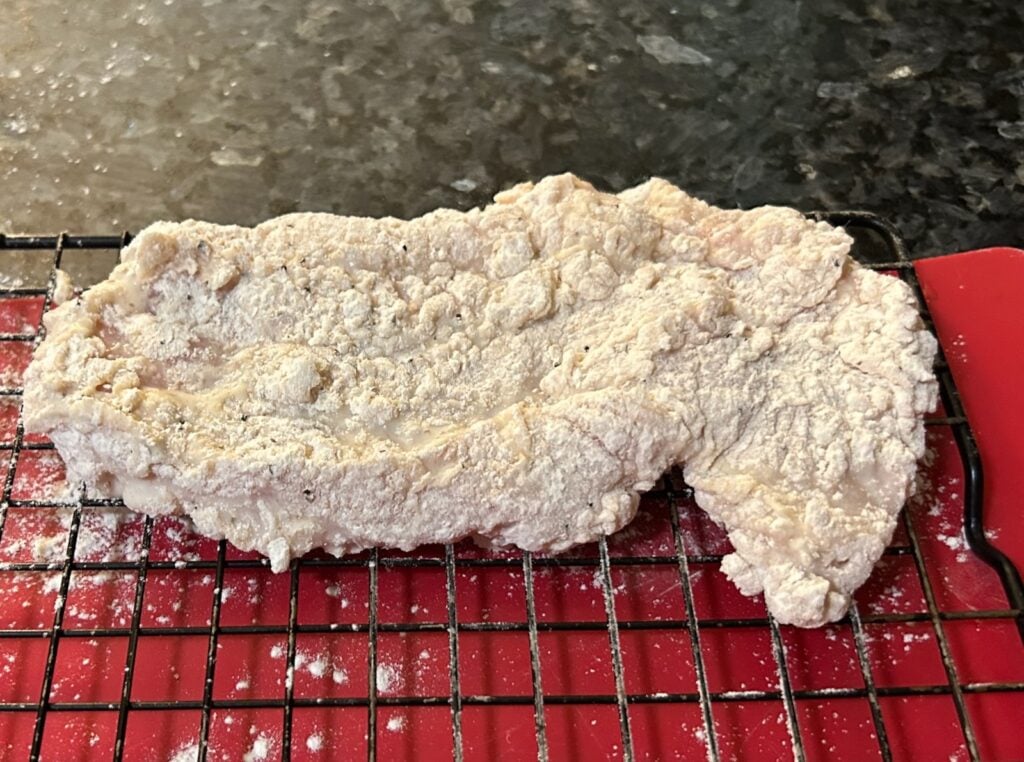
On that second trip through the flour, press the coating firmly onto the chicken rather than simply tossing it around.
This double-dredging method gave me exactly the substantial, craggy coating I wanted.
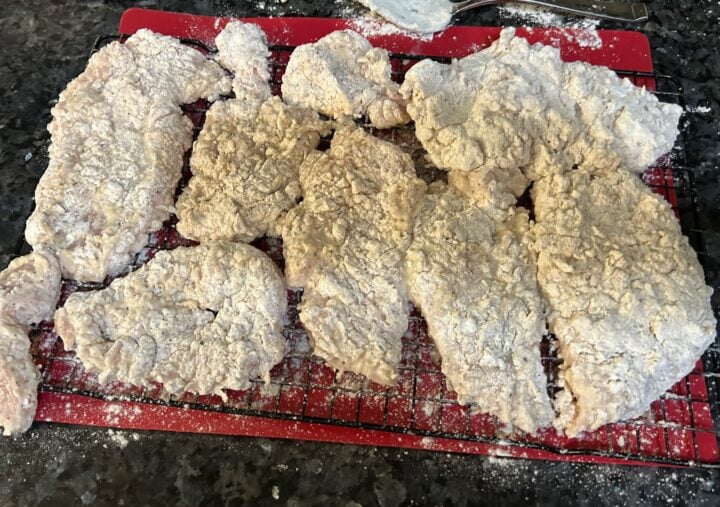
Place the coated chicken on a wire rack and let it rest for about 10–15 minutes before frying. This helps the coating adhere to the chicken instead of floating away in your skillet.
How to Fry Chicken-Fried Chicken
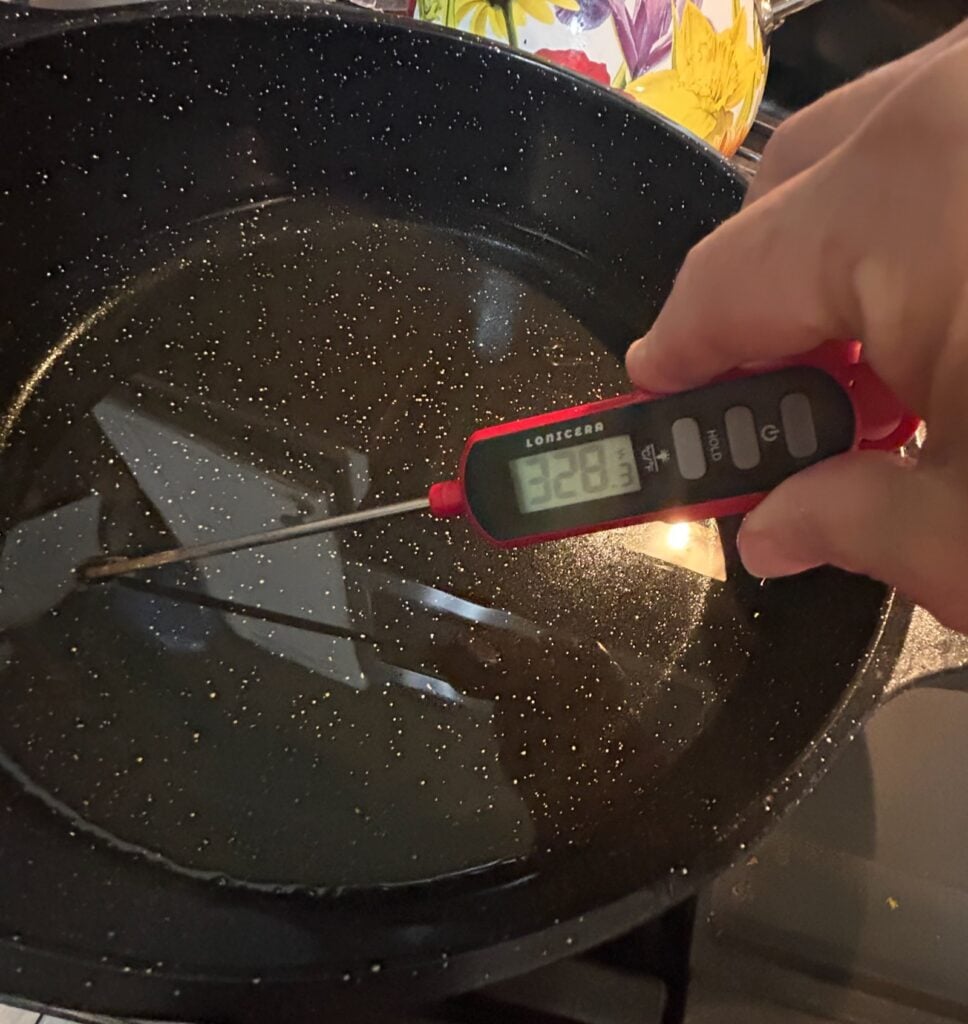
Pour about ½ inch of vegetable or canola oil into a large heavy skillet. Heat the oil to approximately 350°F.
Carefully lower one or two pieces of chicken into the hot oil. Don't crowd the skillet. The temperature will drop when the cold chicken goes in; adjust the burner as necessary to keep the oil roughly in the 325–350°F range.
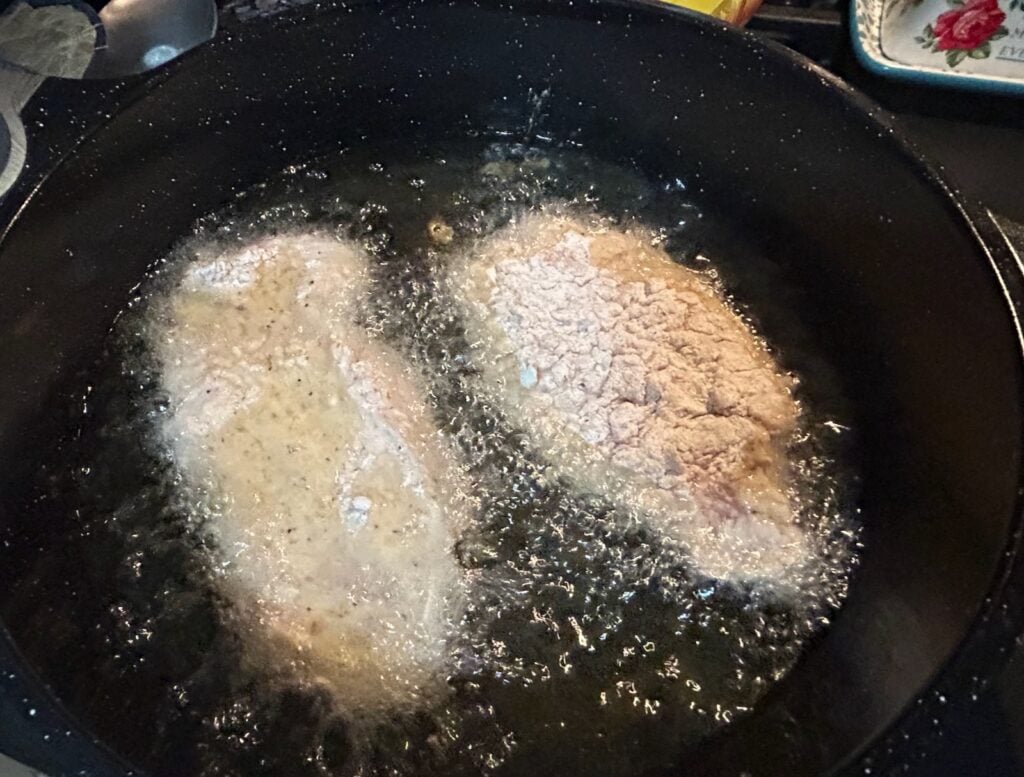
Fry the chicken uncovered.
Leave it alone long enough for the first side to develop a good crust before turning it. Depending on the size and thickness of your pieces, this will generally take about 3–4 minutes. (I set a timer for three minutes per side and checked it at that point.)
Turn the chicken and cook the other side until beautifully golden.
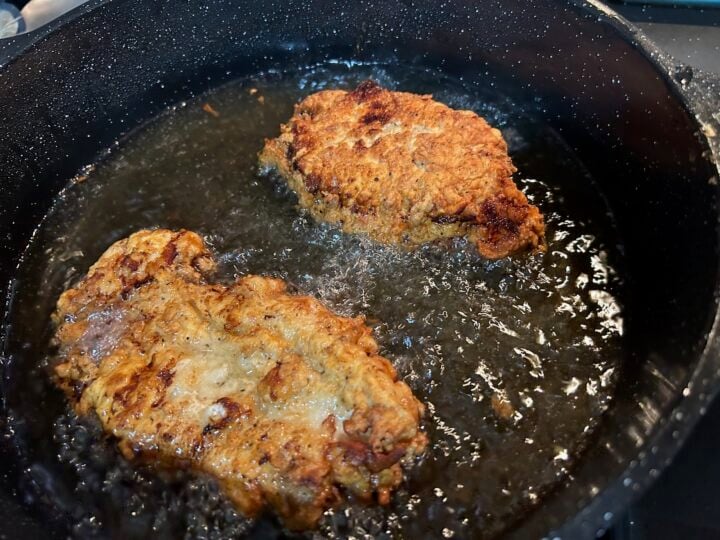
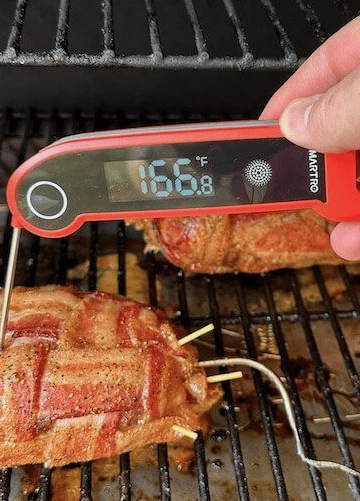
Chicken should reach a safe internal temperature of 165°F.
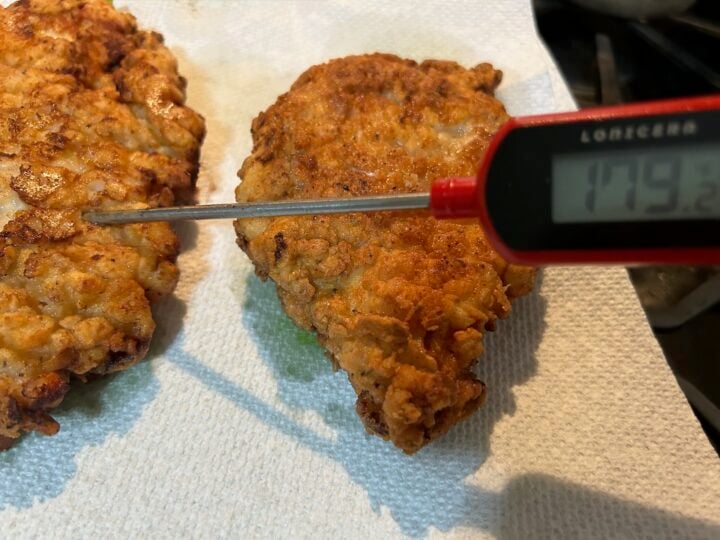
Remove the chicken from the oil. You can let it touch a paper towel briefly to wick away excess oil, but then move it to a wire rack so the bottom stays crisp.
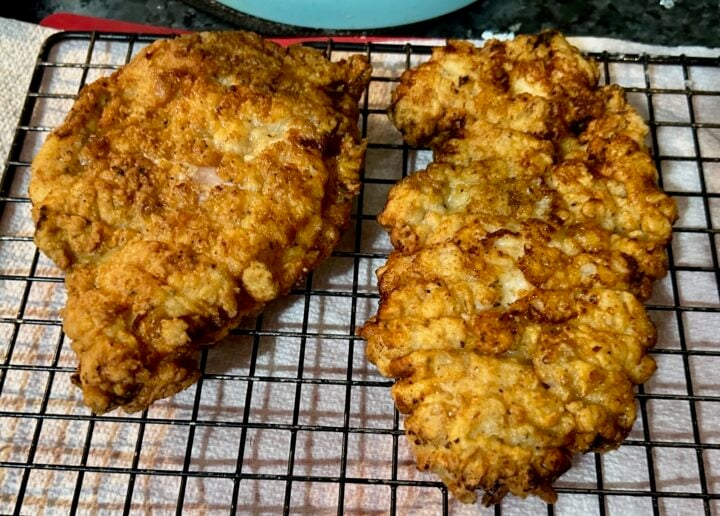
Repeat with the remaining chicken.
A Word About Frying Safely
Considering my family history, you knew this section was coming.
Hot oil deserves your full attention. I don't walk away from the stove when I'm frying, and I strongly recommend using a thermometer so you know exactly what your oil is doing.
Don't overfill the skillet, don't crowd the chicken, and keep children and pets away from the cooking area. (Sorry, Pinky.)
And never use water on a grease fire. For a small stovetop grease fire, turn off the heat if you can safely do so and smother the flames with a metal lid or baking sheet. If a fire can't immediately be controlled safely, get out and call emergency services.
My old fried-chicken disaster taught me another lesson: hotter isn't faster. If the oil is too hot, your coating can burn long before the chicken inside is cooked.
Monitoring the temperature made all the difference for me this time.
P.S. Keep all animals and children far out of reach while frying anything.
How to Make Easy Cream Gravy
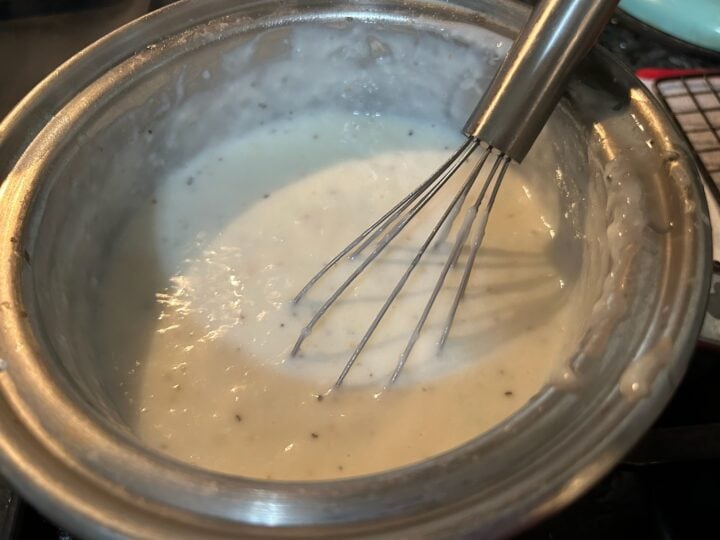
Once all of the chicken is fried, carefully pour off the excess oil, leaving about 2–3 tablespoons of flavorful drippings and browned bits in the skillet.
Add about 1½ cups milk and cook over medium-low heat, stirring and scraping the browned bits from the bottom of the pan. Season with salt and plenty of black pepper. Add a little garlic powder or your favorite seasoning if you like.
In a small bowl, combine 1 tablespoon cornstarch with about 2 tablespoons cold water or milk. Stir until completely smooth. Slowly whisk the slurry into the hot milk. Continue cooking until the gravy thickens. (If you want a thicker gravy, make a little additional slurry and add it gradually. It's easier to thicken gravy than to rescue one that's become too thick.)
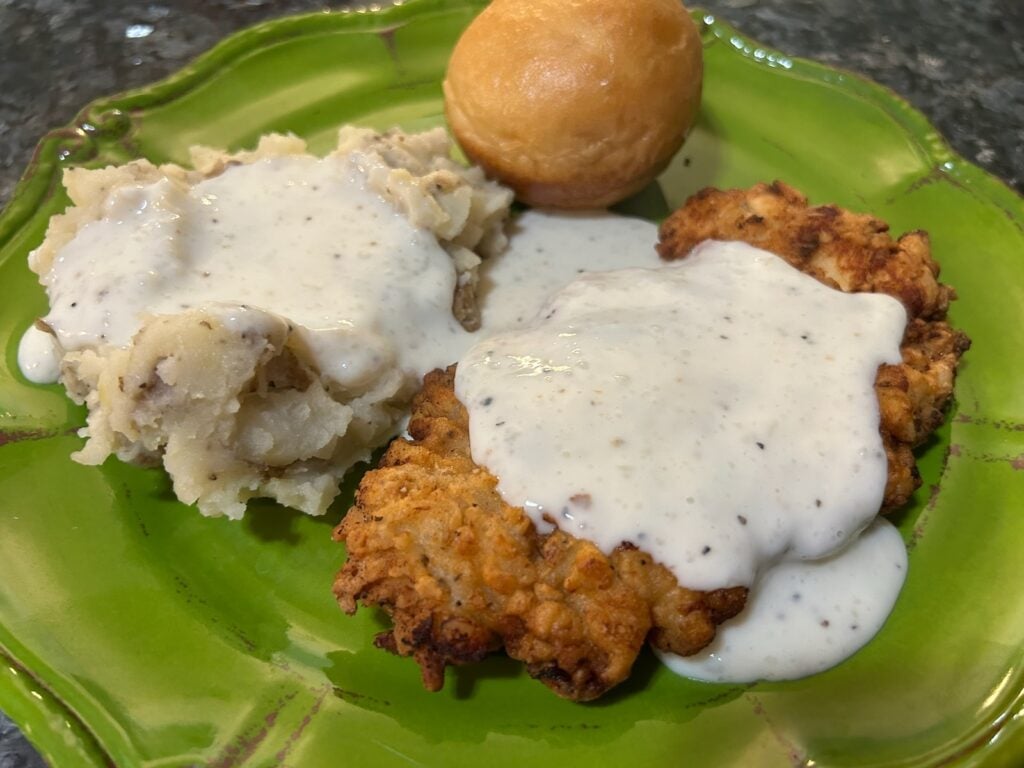
Spoon that warm peppered cream gravy generously over the chicken. And the mashed potatoes. There are no gravy police here.
What to Serve with Chicken-Fried Chicken
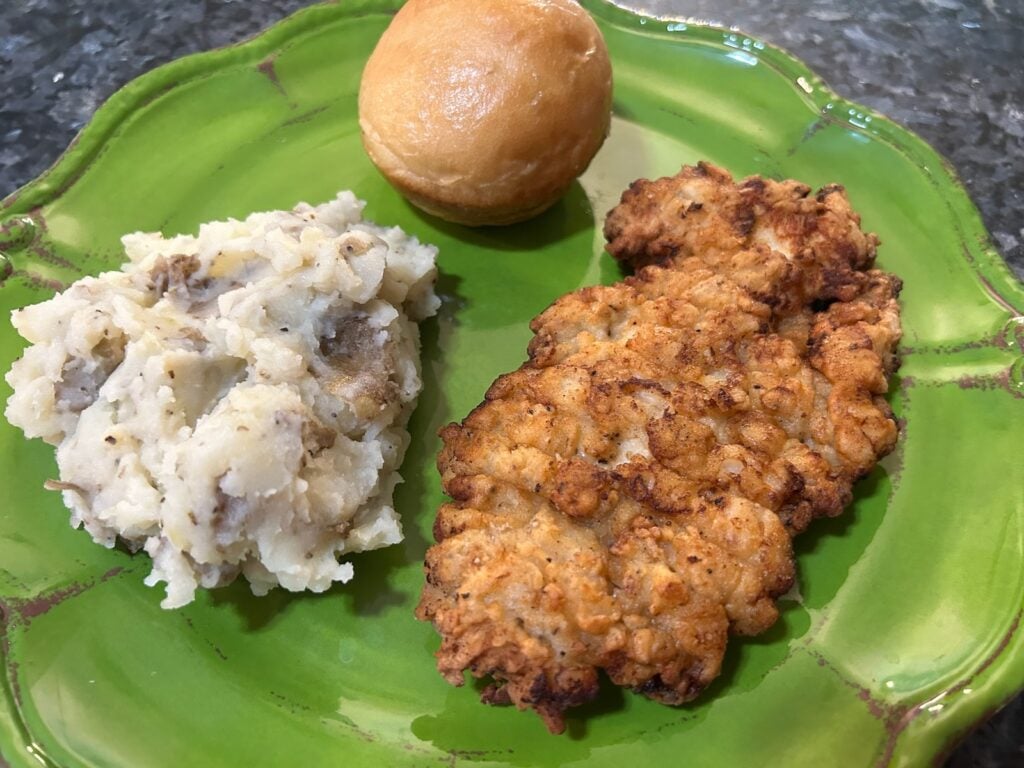
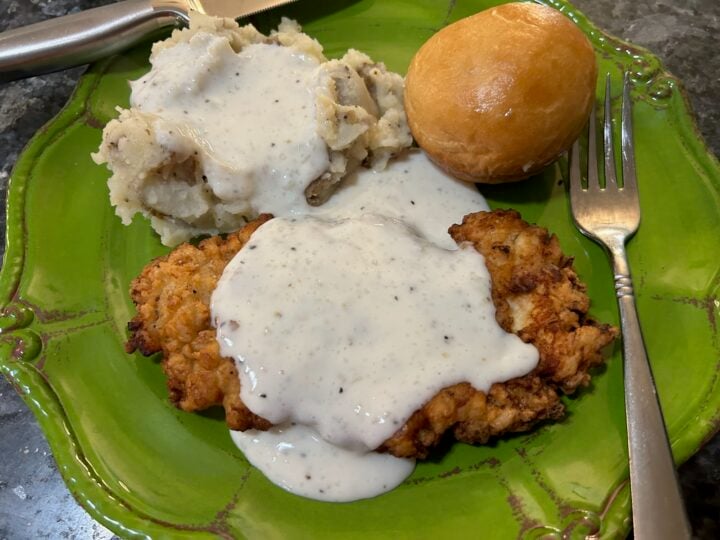
For the full Texas comfort-food experience, serve this chicken with our Rustic Mashed Potatoes and plenty of cream gravy. That's what I did, and it was fantastic.
I did make one rather serious error: I didn't make green beans.
Something about sitting down to chicken-fried chicken, mashed potatoes, cream gravy, and a roll without green beans felt almost sacrilegious. Our Doctored Canned Green Beans would be absolutely perfect with this meal.
Our Southern Mac and Cheese would make another terrific side, and Texas Toast is just begging to be dragged through whatever gravy remains on the plate.
And if you'd rather have cheesy potatoes than mashed, hang around until we post our Funeral Potatoes with Buttery Ritz Cracker Topping. Talk about comfort food!
Chicken-Fried Chicken vs. Chicken-Fried Steak
The preparation is very similar, but chicken-fried steak traditionally uses tenderized beef while chicken-fried chicken uses boneless chicken breast.
If beef is more your style, check out our Chicken-Fried Steak recipe. It's another Texas favorite and a natural companion to this one.
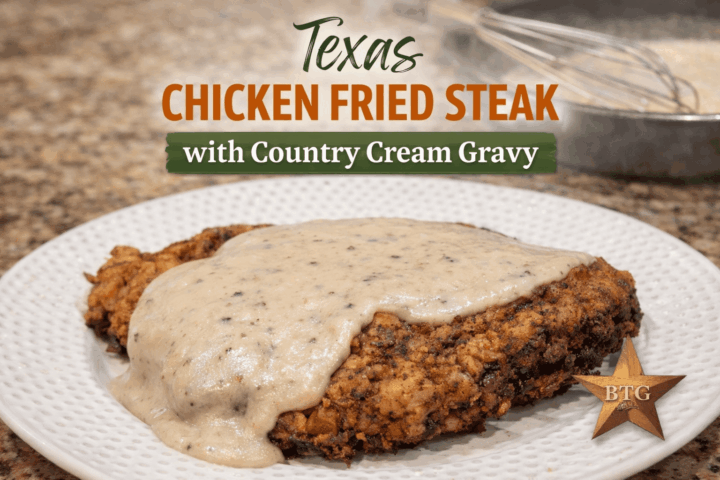
Honestly, I'm not sure which version I prefer. But after the way this chicken turned out, it's going to be hard to beat.
Tips for the Best Chicken-Fried Chicken
Pound the chicken thin. This helps the meat cook through before the coating gets too dark.
Watch your oil temperature. Somewhere around 325–350°F while frying gave me a crisp exterior without burning it.
Double-dredge. Milk to flour, back to milk, and back to flour. That second coating is where a lot of the magic happens.
Make some flour clumps. A few spoonfuls of the milk mixture tossed into the seasoned flour creates those fabulous craggy bits.
Let the breading rest. Give the coated chicken 10–15 minutes on a wire rack before frying.
Don't crowd the skillet. Fry in batches and give the oil time to return to temperature between them.
Drain on a rack. This keeps the underside from getting soggy.
Variations
Once you've mastered the basic technique, you can easily adjust the flavor. Add cayenne or hot sauce if you'd like some heat. Smoked paprika can give the coating a slightly deeper flavor, while Cajun seasoning can take it in another direction entirely.
You could also cut some of the chicken into smaller pieces and use the same method for homemade chicken tenders.
But I wouldn't mess with the coating itself too much. I considered adding panko or breadcrumbs and decided against it.
After tasting the finished chicken, I'm glad I did.
How to Store Leftover Chicken-Fried Chicken
And unless you're feeding quite a few people, you may have leftovers. (Boy oh boy, did I have leftovers!)
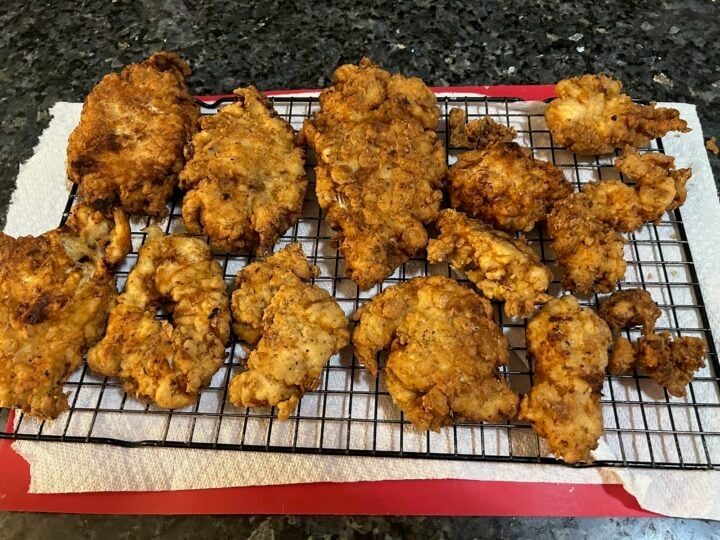
I started with a little over two pounds of chicken and couldn't believe how much finished chicken I had after slicing, pounding, double-dredging, and frying it.
Store leftovers in an airtight container in the refrigerator for up to 3–4 days.
For the best texture, reheat the chicken in an oven or air fryer rather than the microwave. You want to bring back as much of that crisp coating as possible.
Store the cream gravy separately in the refrigerator and gently reheat it on the stovetop or in the microwave. You may need to add a splash of milk as it warms.
Frequently Asked Questions
No. Regular milk worked beautifully in this recipe. I actually intended to turn mine into a quick buttermilk substitute with vinegar and forgot to add it. No harm done!
You certainly can make breaded chicken that way, but for traditional chicken-fried chicken, I recommend seasoned flour. The double dredge creates plenty of crunch without breadcrumbs.
Make sure excess milk drips from the chicken before dredging, press the flour onto the chicken during the second coating, and let the breaded chicken rest for 10–15 minutes before frying. Also avoid moving the chicken around unnecessarily while the first side is cooking.
About ½ inch worked well for this shallow-frying method. There's no need to completely submerge the chicken.
Heat the oil to about 350°F before adding the chicken and try to maintain approximately 325–350°F during frying.
The breading should be deeply golden and crisp, and the thickest part of the chicken should reach 165°F.
It's best freshly fried, but leftovers reheat well in an oven or air fryer. Keep the gravy separate until serving so the breading doesn't become soggy.
Final Thoughts
I started this recipe with more than a little apprehension. By the time I finished, I had a wire rack absolutely covered in gorgeous golden chicken, a skillet of cream gravy, a restaurant-quality comfort-food dinner, and one extremely hopeful Chihuahua.
Not bad for the woman who once ruined fried chicken so thoroughly that an entire youth group ended up eating pizza.
It only took me a few decades, but I think I finally got it right.
And next time?
I'm making the green beans.
Thanks for Stopping By!
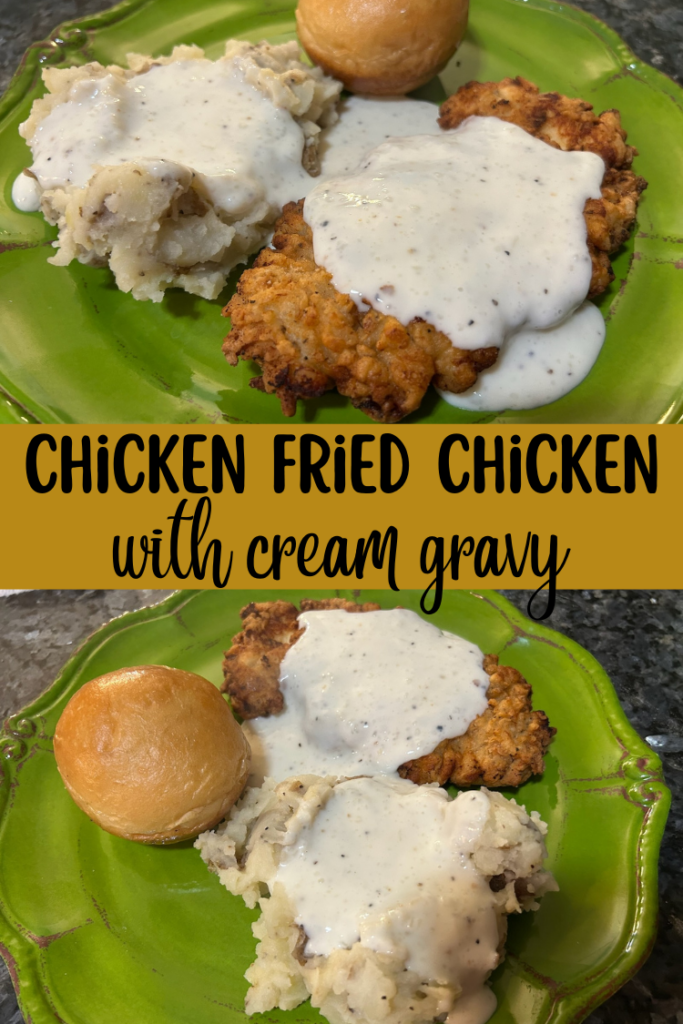
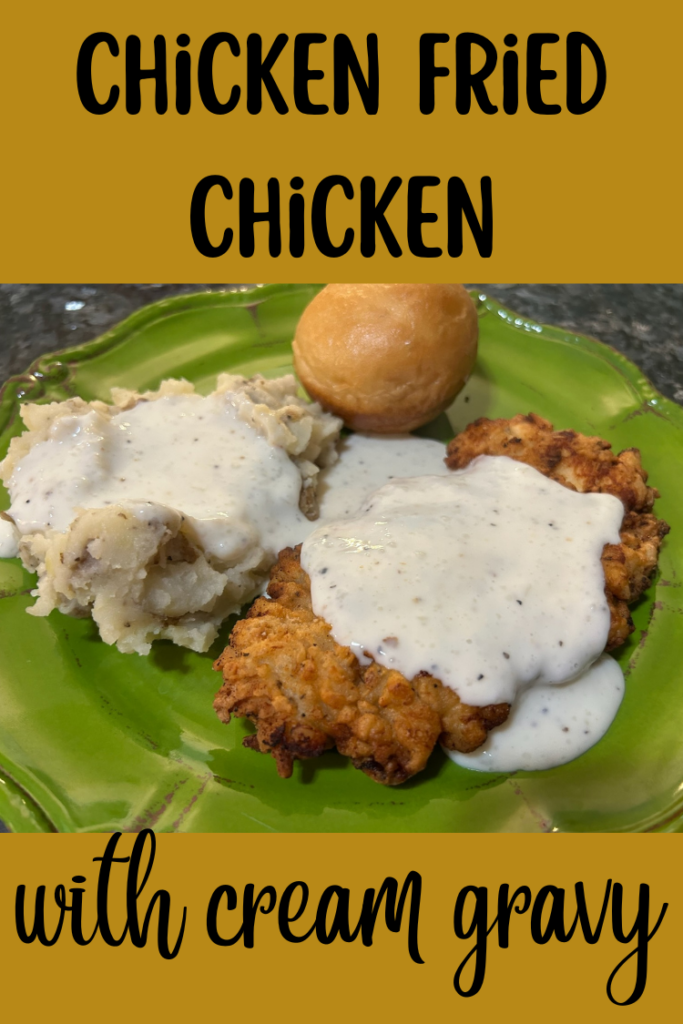
If you make this delicious chicken fried chicken and love it please leave a comment or review. And before you go, why not pin some photos to your Pinterest boards?

Meet Janice
Janice is the resident baker on the Backyard Texas Grill team. Today she stepped away from her baking to confess her fear of deep frying and to welcome you into her all-things-Texas world with this delicious chicken fried steak recipe!
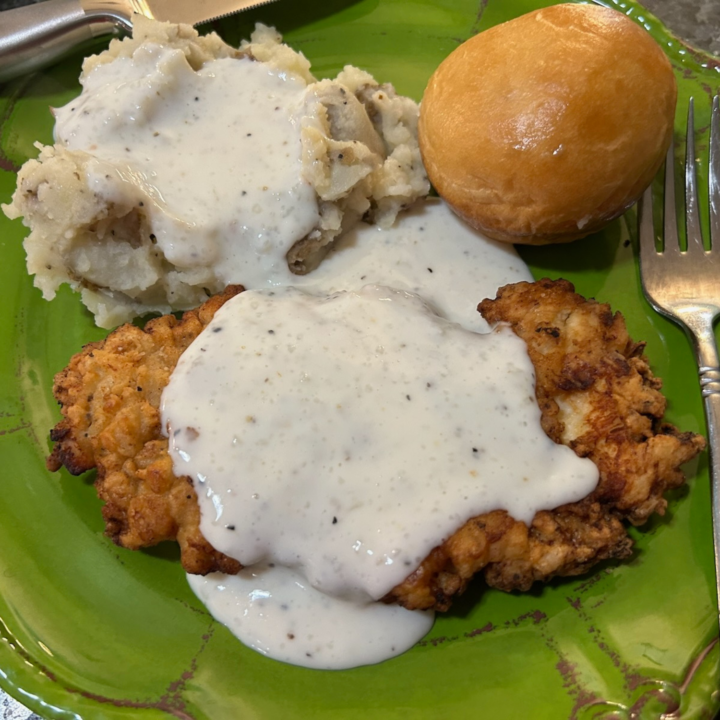
Chicken Fried Chicken with Cream Gravy
Tender chicken breasts are pounded thin, soaked in seasoned milk, double-dredged in seasoned flour, and shallow-fried until golden, crispy, and delicious. Top this Texas-style chicken-fried chicken with easy homemade cream gravy for a restaurant-quality Southern comfort-food dinner.
Ingredients
- Chicken
- 2 pounds boneless, skinless chicken breasts
- 2 cups milk
- 1 teaspoon salt
- 1 teaspoon black pepper
- 1 teaspoon garlic powder
- 1 teaspoon onion powder
- 1 teaspoon paprika or favorite all-purpose seasoning
- Seasoned Flour
- 2½ cups all-purpose flour
- 1½ teaspoons salt
- 1½ teaspoons black pepper
- 1 teaspoon garlic powder
- 1 teaspoon onion powder
- 1 teaspoon paprika
- 2–3 tablespoons seasoned milk mixture
- Vegetable or canola oil for frying, enough for about ½ inch in the skillet
- Easy Cream Gravy
- 2–3 tablespoons reserved pan drippings
- 1½ cups milk
- Salt and black pepper, to taste
- Garlic powder or all-purpose seasoning, to taste, optional
- 1 tablespoon cornstarch
- 2 tablespoons cold water or milk
- Additional cornstarch slurry, if needed
Instructions
- If using very large chicken breasts, slice them horizontally into thinner cutlets.
- Place chicken pieces between sheets of plastic wrap or inside a large zip-top bag. Pound to approximately ⅓–½ inch thick.
- In a large bowl, combine 2 cups milk with salt, pepper, garlic powder, onion powder, and paprika.
- Add chicken, turning to coat. Cover and refrigerate for at least 30 minutes, or up to a couple of hours.
- In a shallow dish, combine flour, salt, pepper, garlic powder, onion powder, and paprika.
- Drizzle 2–3 tablespoons of the seasoned milk mixture into the flour. Toss lightly with a fork to create small clumps. These will help create the craggy fried coating.
- Remove one piece of chicken from the milk and allow excess liquid to drip off.
- Dredge thoroughly in seasoned flour.
- Dip the chicken back into the milk, then dredge in flour a second time, pressing the flour firmly onto the chicken.
- Transfer breaded chicken to a wire rack. Repeat with remaining chicken.
- Let breaded chicken rest for 10–15 minutes before frying.
- Add approximately ½ inch of oil to a large, heavy skillet. Heat to 350°F.
- Carefully add 1–2 pieces of chicken, taking care not to crowd the skillet.
- Fry uncovered for approximately 3–4 minutes on the first side, or until the coating is set and deeply golden.
- Turn and cook the second side for another 2–4 minutes, depending on thickness.
- Maintain the oil at approximately 325–350°F while frying.
- Cook chicken until the thickest portion reaches 165°F.
- Remove from the oil. Drain briefly on paper towels if desired, then transfer immediately to a wire rack to keep the coating crisp.
- Repeat with remaining chicken.
- Carefully pour off most of the frying oil, leaving about 2–3 tablespoons of pan drippings and browned bits in the skillet.
- Add 1½ cups milk. Cook over medium-low heat, stirring and scraping the flavorful browned bits from the bottom of the skillet.
- Season with salt, plenty of black pepper, and additional seasonings to taste.
- Combine 1 tablespoon cornstarch with 2 tablespoons cold water or milk and stir until completely smooth.
- Slowly whisk the slurry into the hot milk mixture.
- Cook, stirring, until the gravy thickens. If necessary, make a small amount of additional slurry and add gradually until the gravy reaches your preferred consistency.
- Serve the chicken hot with plenty of cream gravy.
Prepare the Chicken
Bread the Chicken
Fry the Chicken
Make the Cream Gravy
Notes
No buttermilk? No problem. This recipe was tested with plain milk and turned out beautifully.
For the crispiest coating, don't skip the double dredge or the 10–15 minute rest before frying.
Keep a close eye on the oil temperature. If it's too hot, the coating can burn before the chicken cooks through; if it's too cool, the breading can absorb excess oil.
Don't cover the skillet while frying. Trapped steam can soften the coating.
Serve with rustic mashed potatoes, doctored green beans, Southern mac and cheese, Texas toast, or funeral potatoes for a full Southern comfort-food meal.
Nutrition Information:
Yield: 6 Serving Size: 1Amount Per Serving: Calories: 735Total Fat: 9gSaturated Fat: 3gUnsaturated Fat: 6gCholesterol: 139mgSodium: 1403mgCarbohydrates: 94gFiber: 4gSugar: 1gProtein: 63g