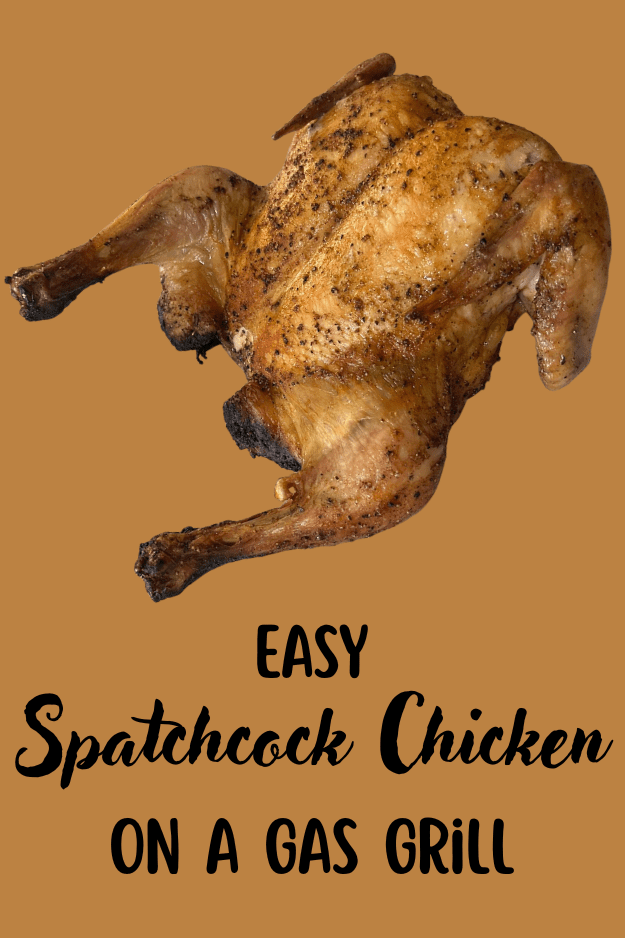
Learn how to make a juicy grilled spatchcock chicken on a gas grill. This easy method cooks faster than a whole chicken and delivers crispy skin, tender meat, and plenty of backyard flavor.
A Note from Zach
Today's post comes from my mother-in-law, Janice, who volunteered to test a recipe that was completely new to her.
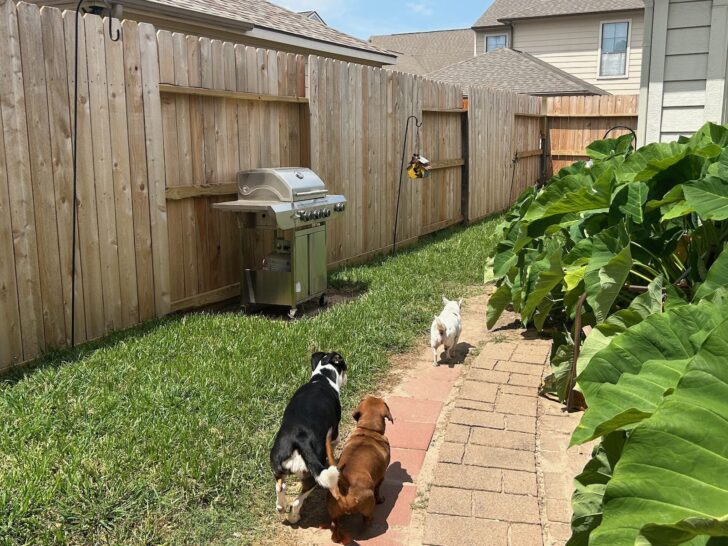
Unlike me, she doesn't own a smoker. She cooks on a standard propane grill and approaches backyard cooking the same way many readers do—willing to learn, willing to experiment, and occasionally willing to laugh at herself when things don't go exactly as planned.
This was her first attempt at spatchcocking a chicken, and she documented the entire process so you can see that you don't need fancy equipment or years of experience to pull off a beautiful grilled chicken.
If she can do it on a backyard propane grill, chances are you can, too.
A Baker Takes on the Grill
Hey, y'all! This is Janice Thompson, owner of Out of the Box Baking. Baking's my game. Meat? Not so much. But I'm willing to learn and know exactly who to go to with my questions. (Hey, I'm pretty blessed to have a great son-in-law who also happens to be a grilling expert!)
Confession: Until recently, I'd never spatchcocked a chicken.
In fact, I wasn't even sure I wanted to try. The name sounds a little intimidating, and the idea of flattening a whole chicken before cooking it seemed like a lot of work, if not a little, well, psychologically damaging.
Hey, I'm an animal lover. So, this act of surgery felt a bit intimidating.
Turns out, spatchcocking is surprisingly easy.
Once the backbone is removed and the chicken is flattened, it cooks more evenly, takes less time than a traditional whole chicken, and develops beautifully browned skin. Better yet, it turns an ordinary backyard cookout into a fun cooking project the whole family can gather around.
Kids especially get a kick out of watching the giant flattened chicken transform into a golden-brown feast on the grill. It feels a little like a science experiment and a backyard barbecue rolled into one.
If you've ever wanted to cook a whole chicken on your gas grill without heating up the kitchen, this recipe is for you.
Why You'll Love This Recipe
Crispy, flavorful skin
Juicy white and dark meat
Cooks more evenly than a whole chicken
Great way to feed a crowd
Uses an ordinary gas grill
Makes fantastic leftovers
What Does "Spatchcock" Mean?
Spatchcocking simply means removing the backbone and flattening the chicken before cooking.
Don't let the funny name scare you away. Once you've done it once, you'll wonder why you waited so long.
Flattening the bird allows the thighs and breasts to cook more evenly while exposing more skin to the heat.
Ingredients
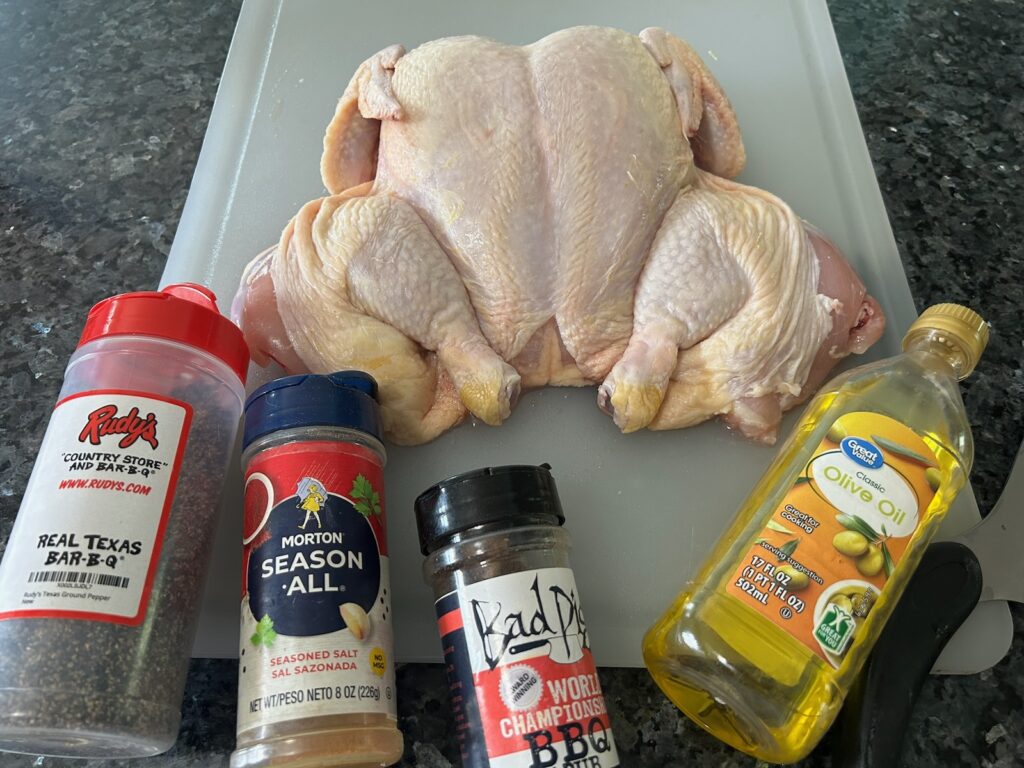
You will find a recipe card at the bottom of this post but the ingredients are pretty simple: a whole chicken, seasonings, and a bit of oil.
1 whole chicken (4–6 pounds)
2 tablespoons cooking oil
2–3 tablespoons favorite BBQ rub
Optional additional salt and pepper
How to Spatchcock a Chicken
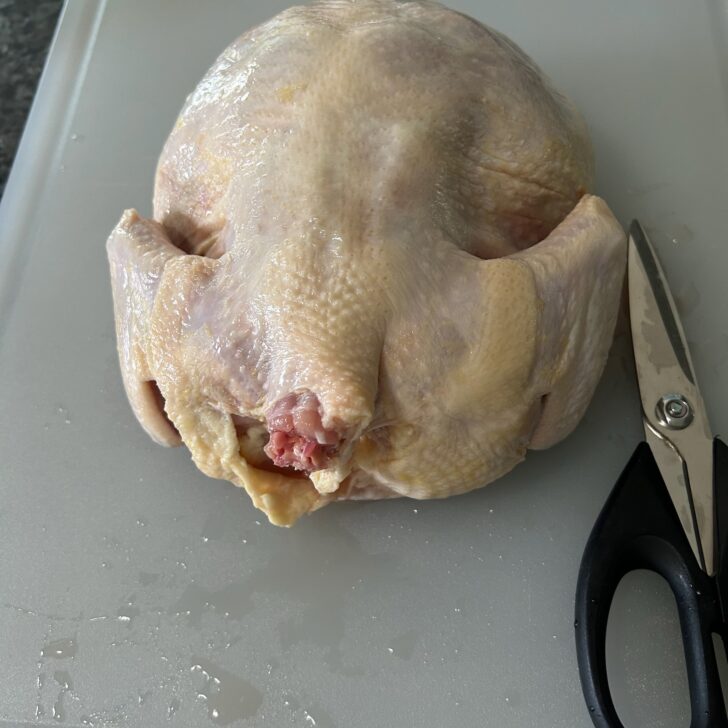
Place the chicken breast-side down on a cutting board.
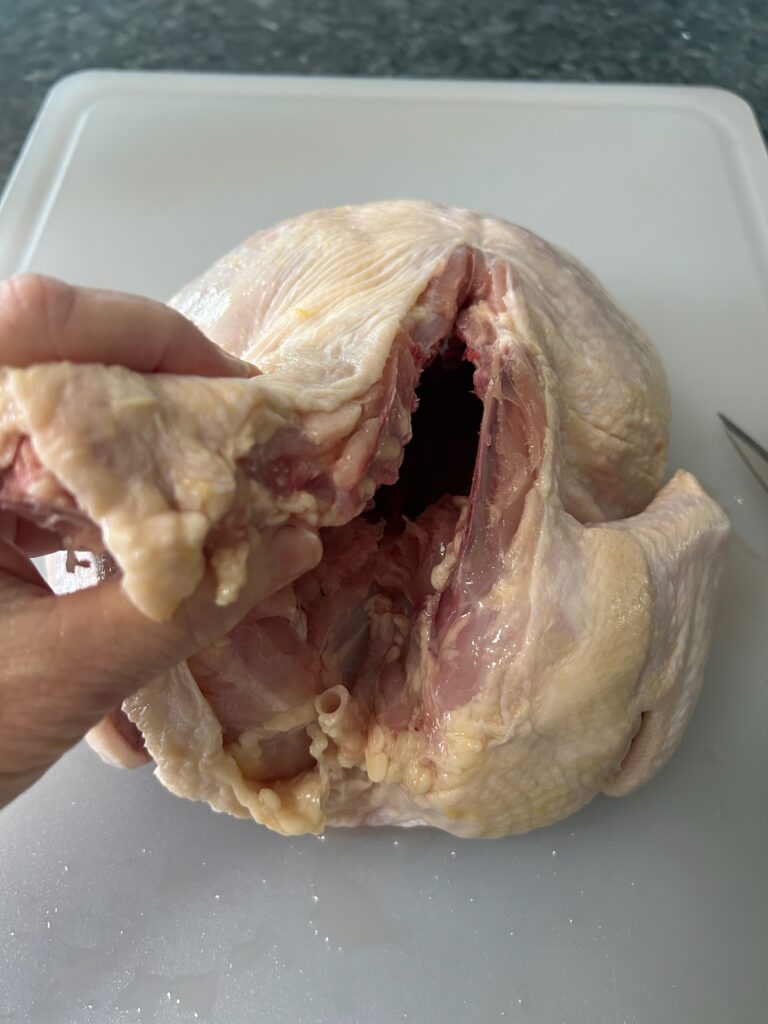
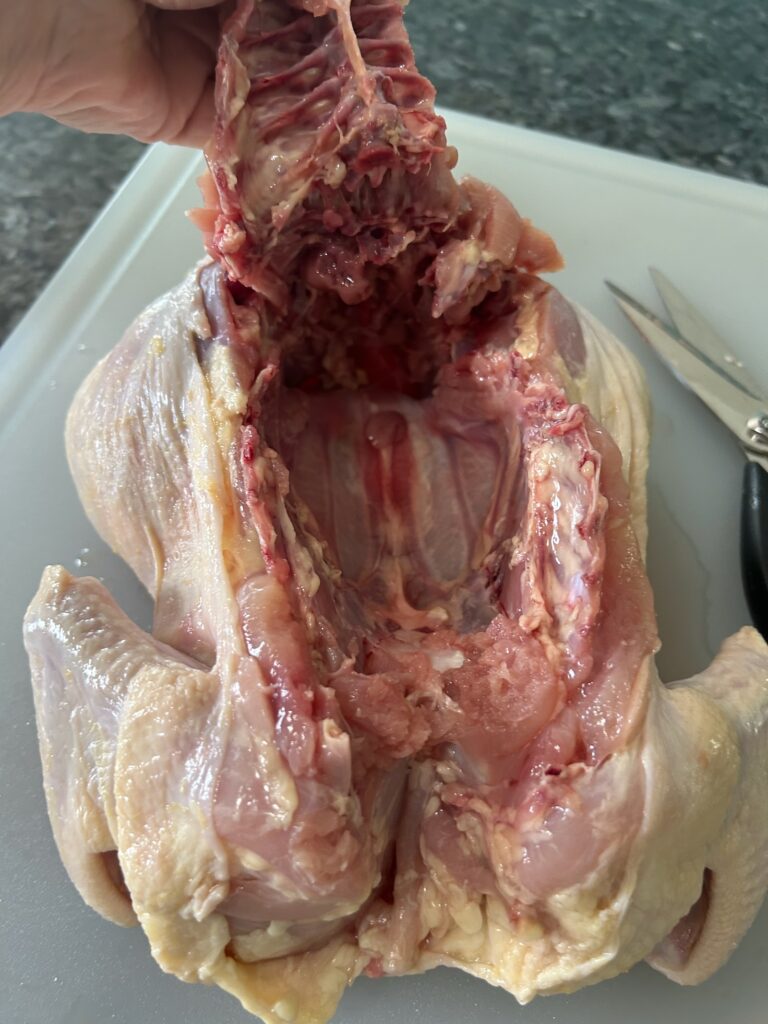
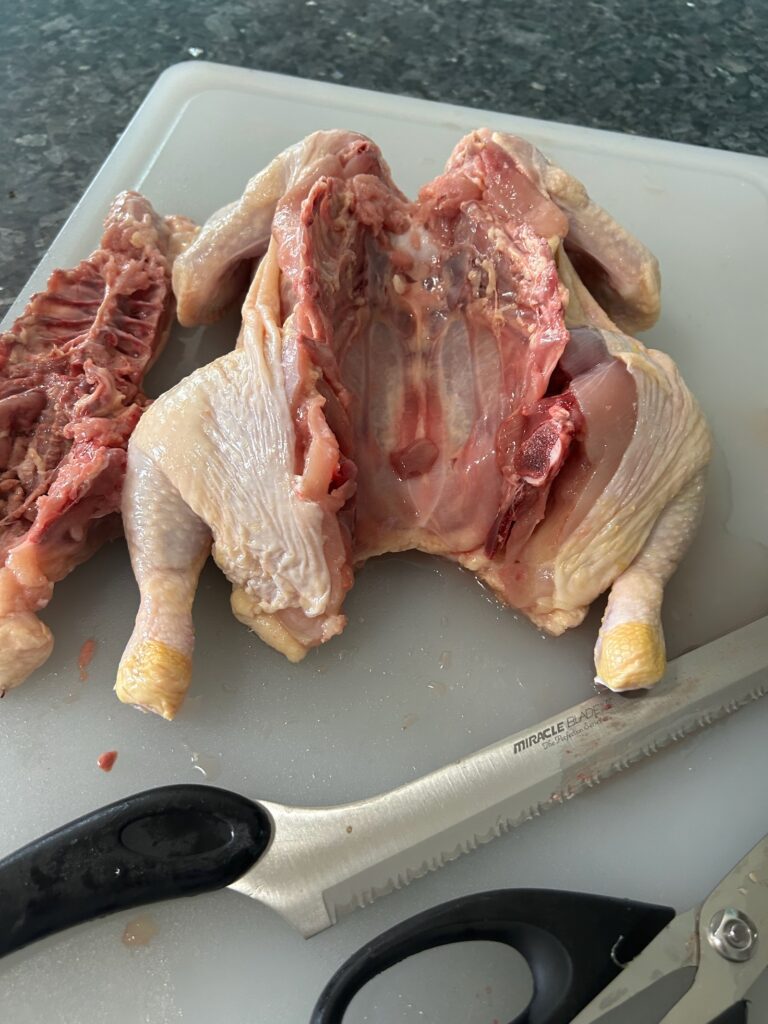
Using sturdy kitchen shears, cut along one side of the backbone from tail to neck. Repeat on the opposite side and remove the backbone.
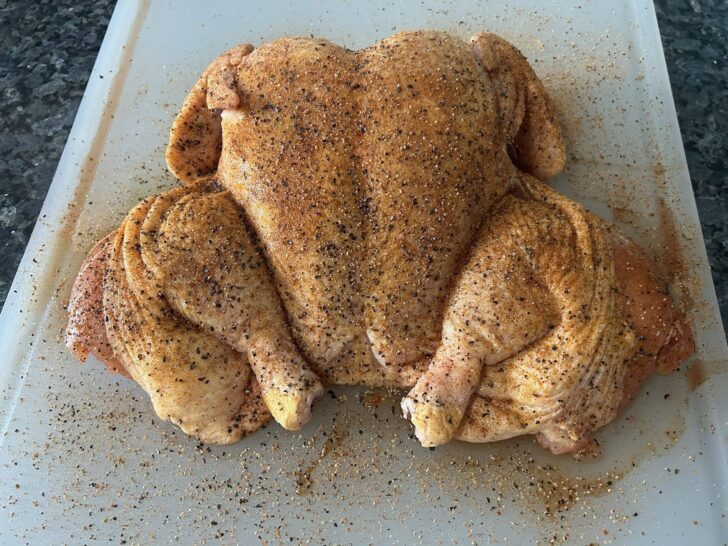
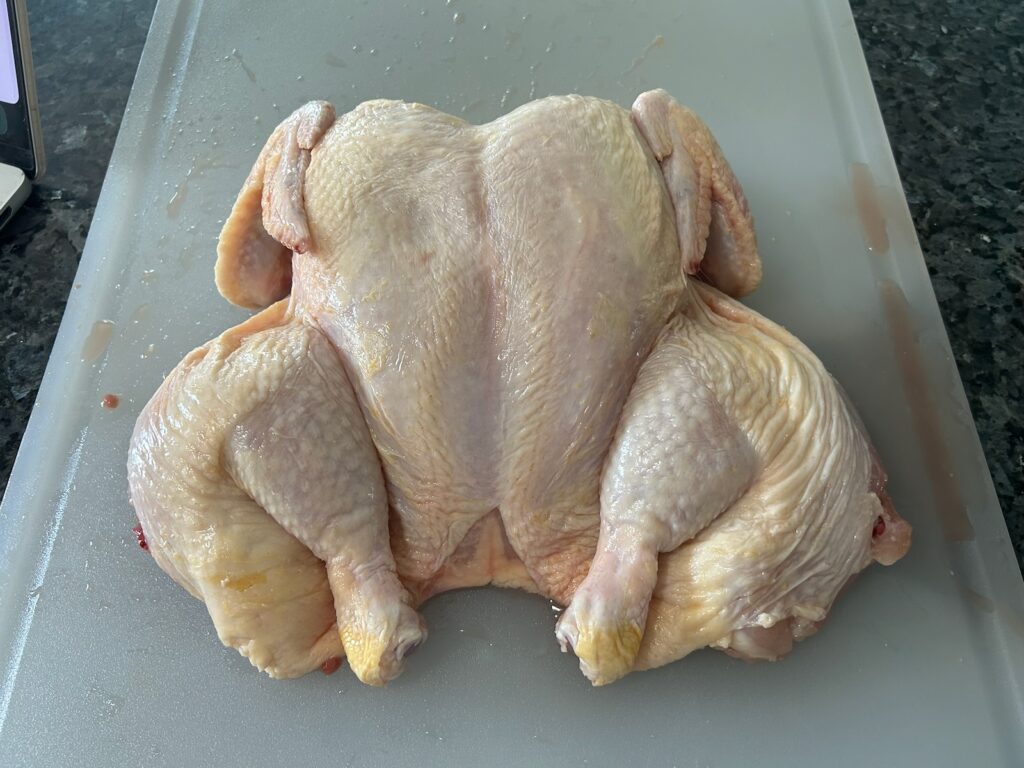
Flip the chicken over. Press firmly on the breastbone until the chicken lies relatively flat. Tuck the wing tips underneath if desired. That's it!
How to Grill a Spatchcock Chicken
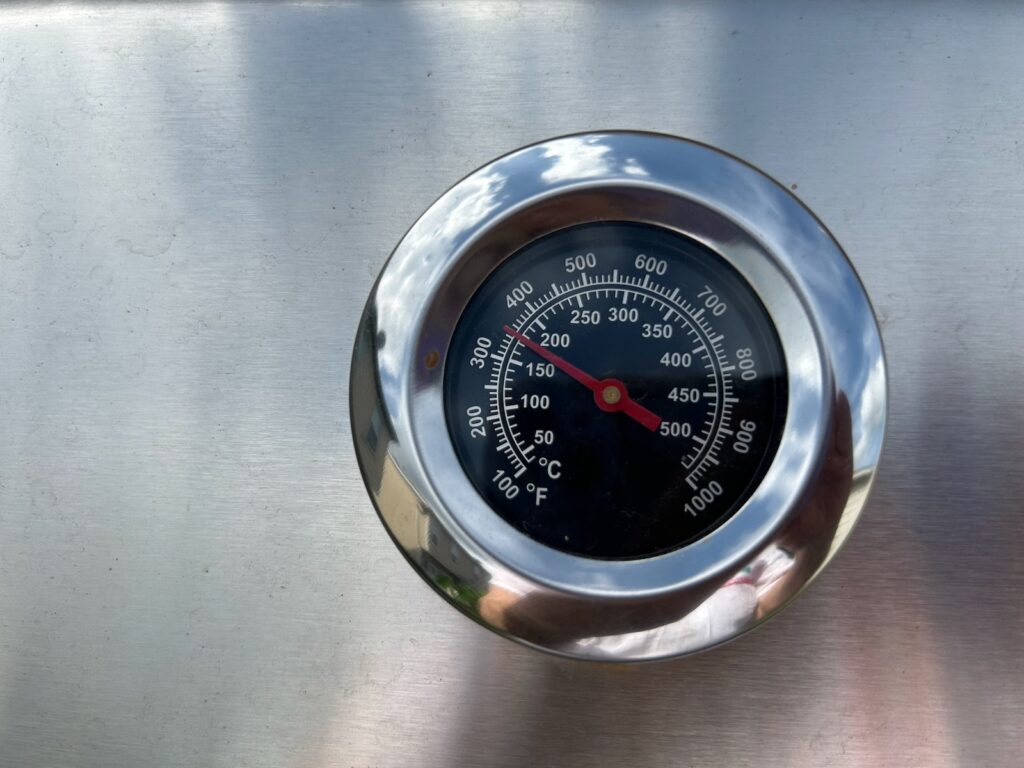
Preheat your gas grill to approximately 300–350°F. Set up the grill for indirect cooking by leaving one side cooler than the other.
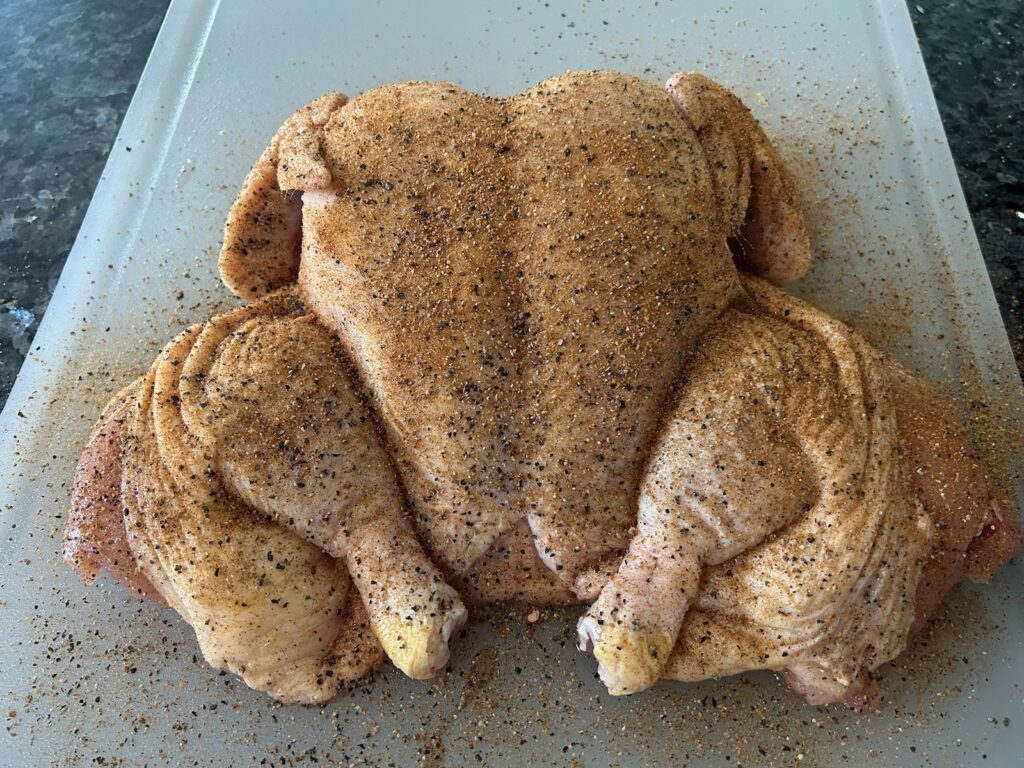
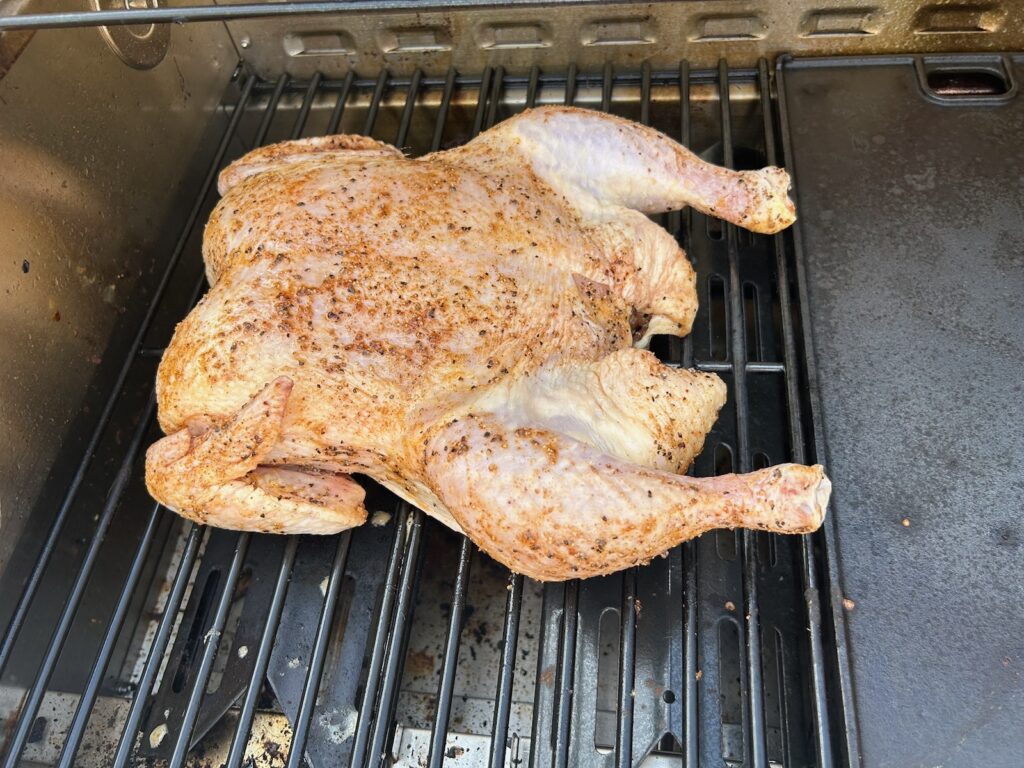
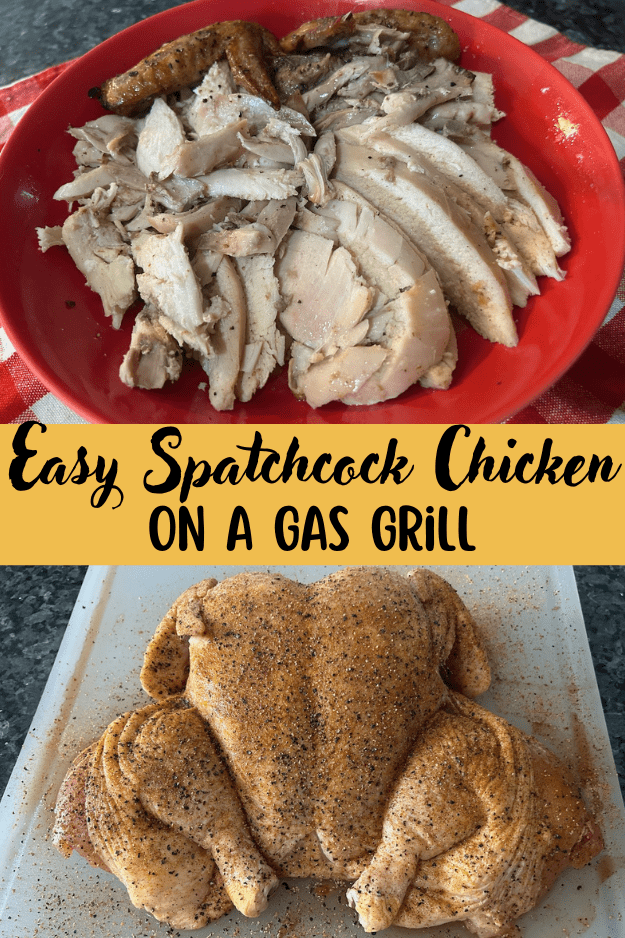
Pat the chicken dry. Brush lightly with oil. Season generously with your favorite BBQ rub.
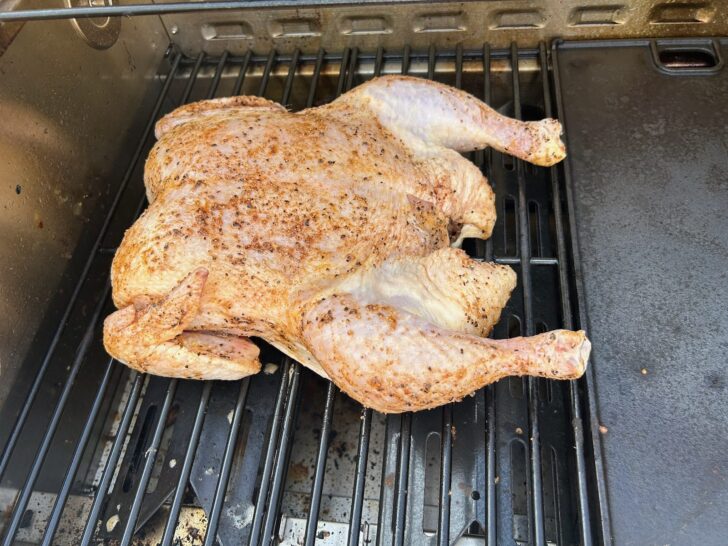
Place the chicken on the cooler side of the grill with the skin facing up.
Let it Cook! (Be Patient!)
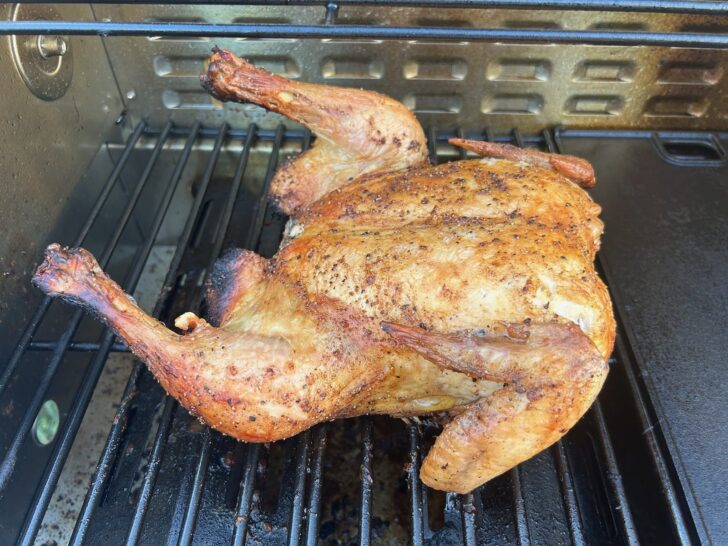
Close the lid and cook until the thickest part of the breast reaches 160–165°F and the thighs reach 175–180°F.
For larger birds, rotate the chicken partway through cooking if one side begins browning faster than the other.
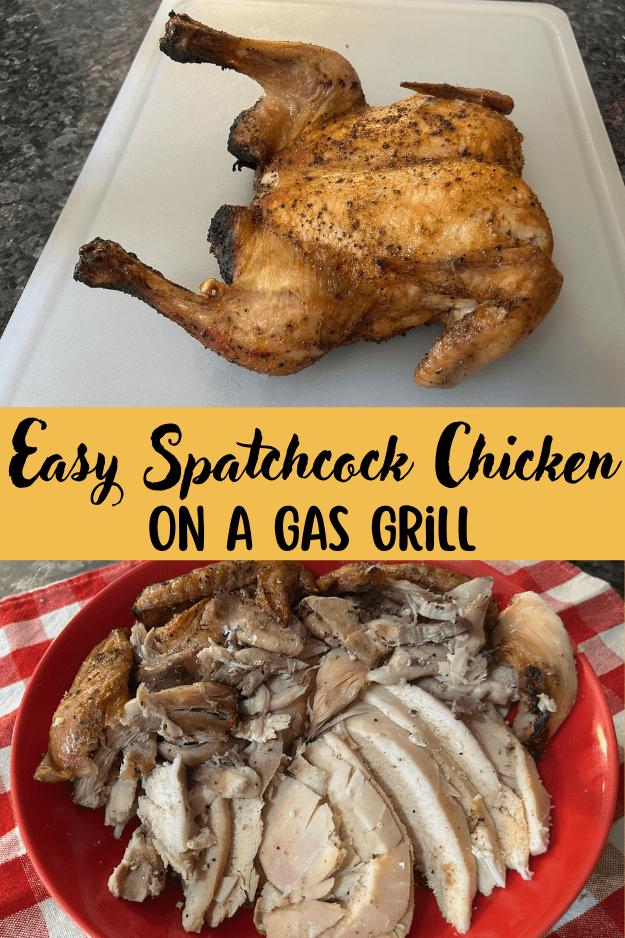
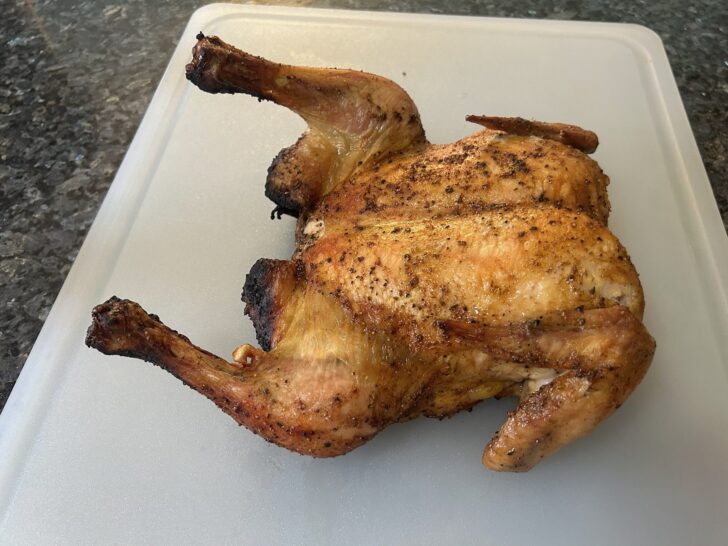
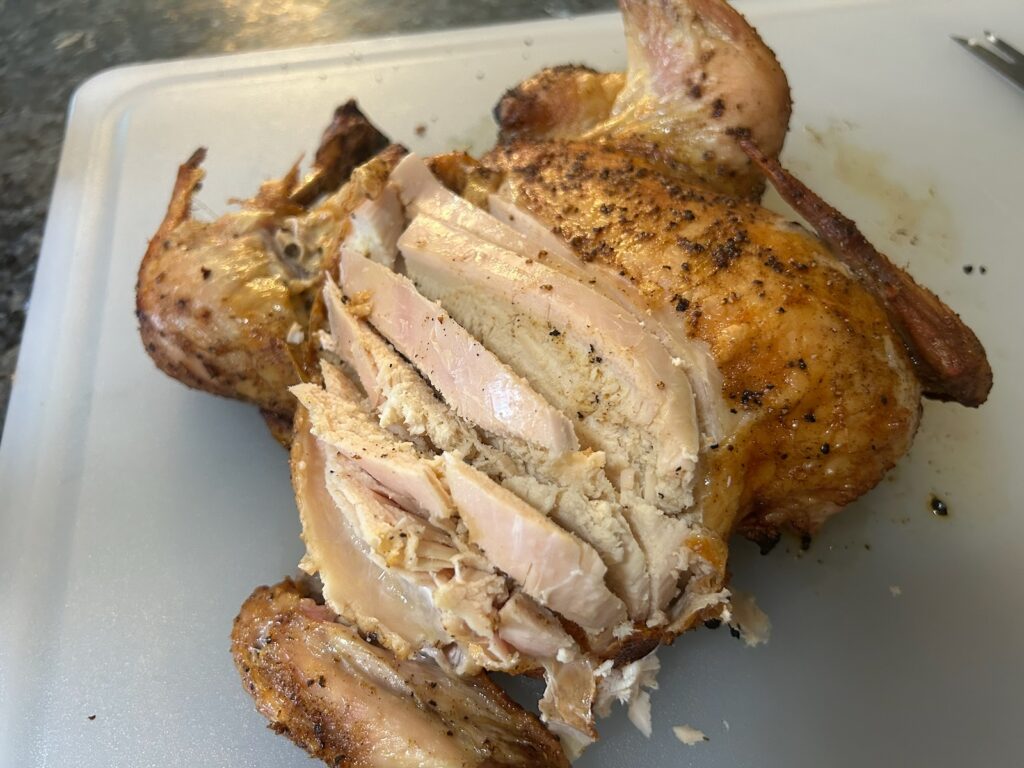
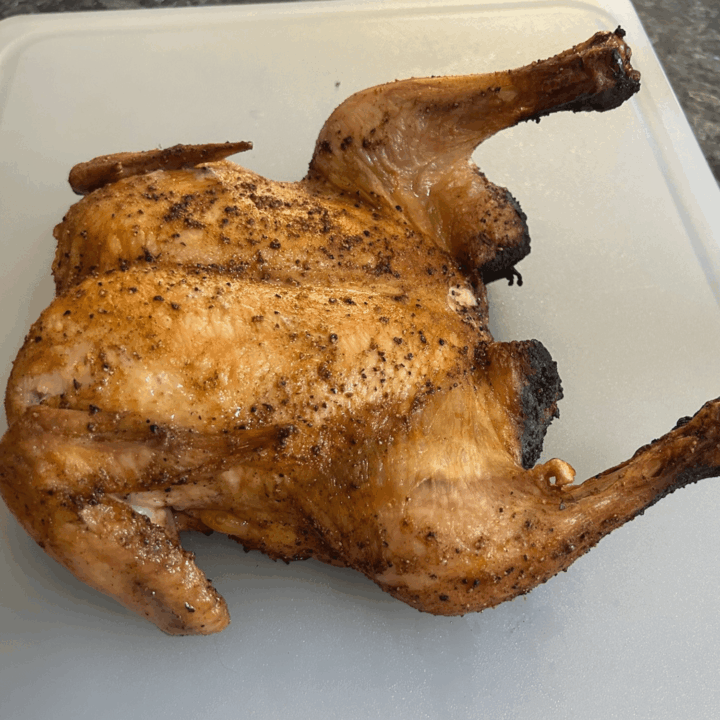
Allow the chicken to rest for 10–15 minutes. (I confess, when I looked at this picture after-the-fact I had to admit. . .it looked like he put up a fight.)
It's Time to Carve!
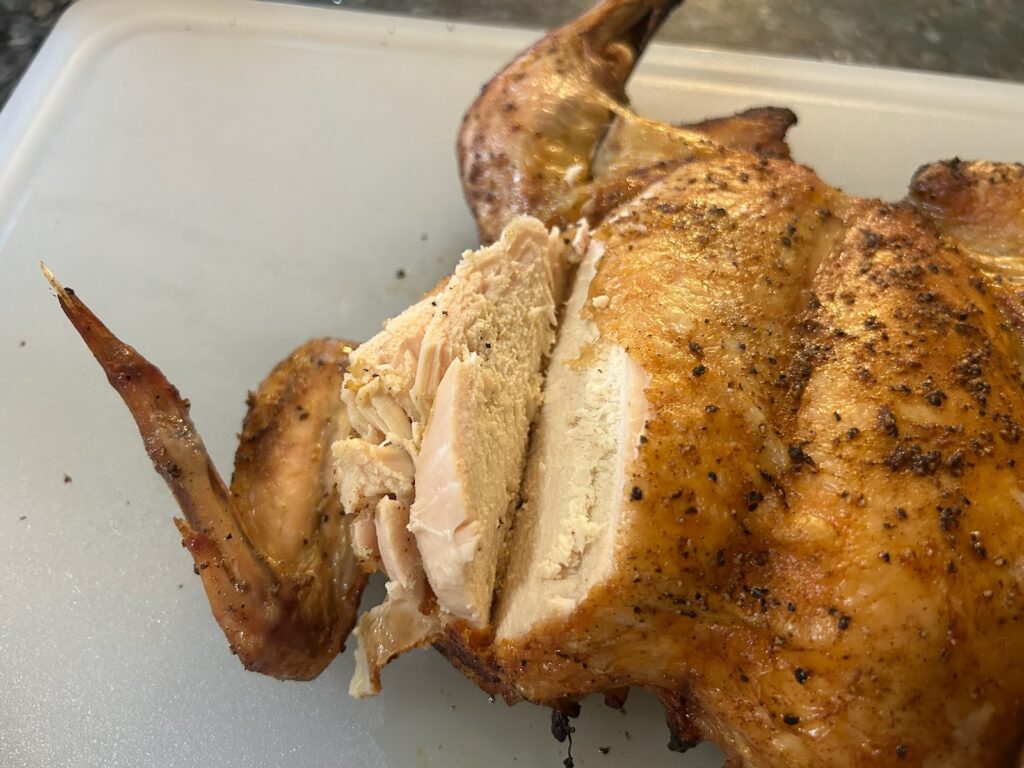
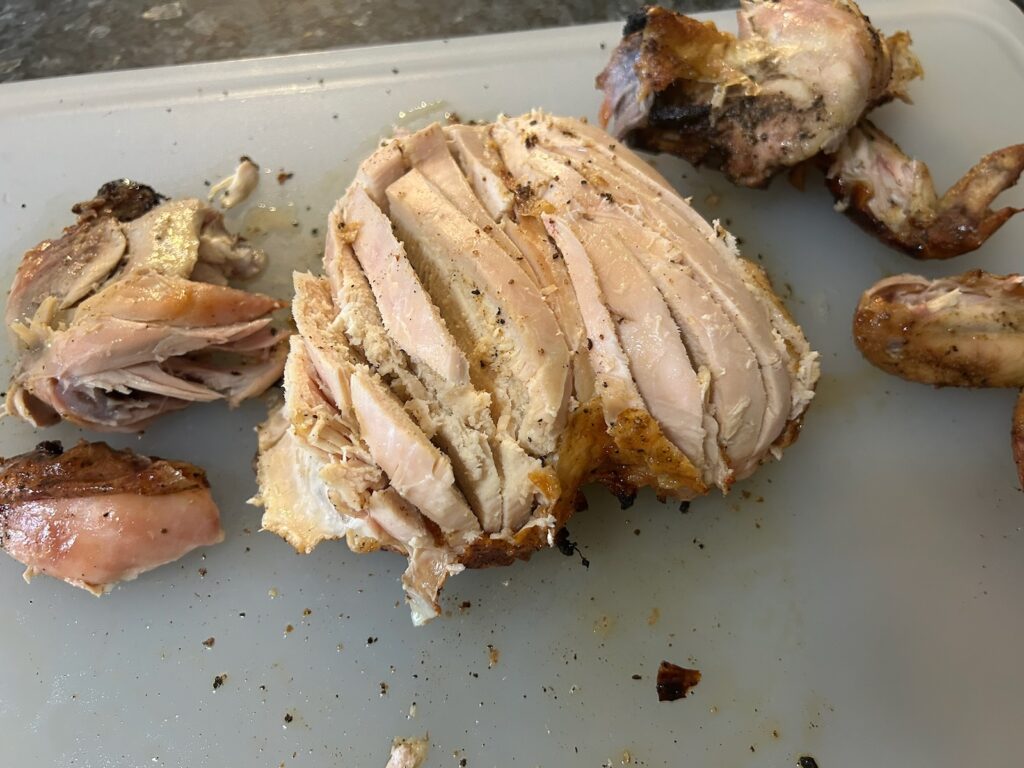
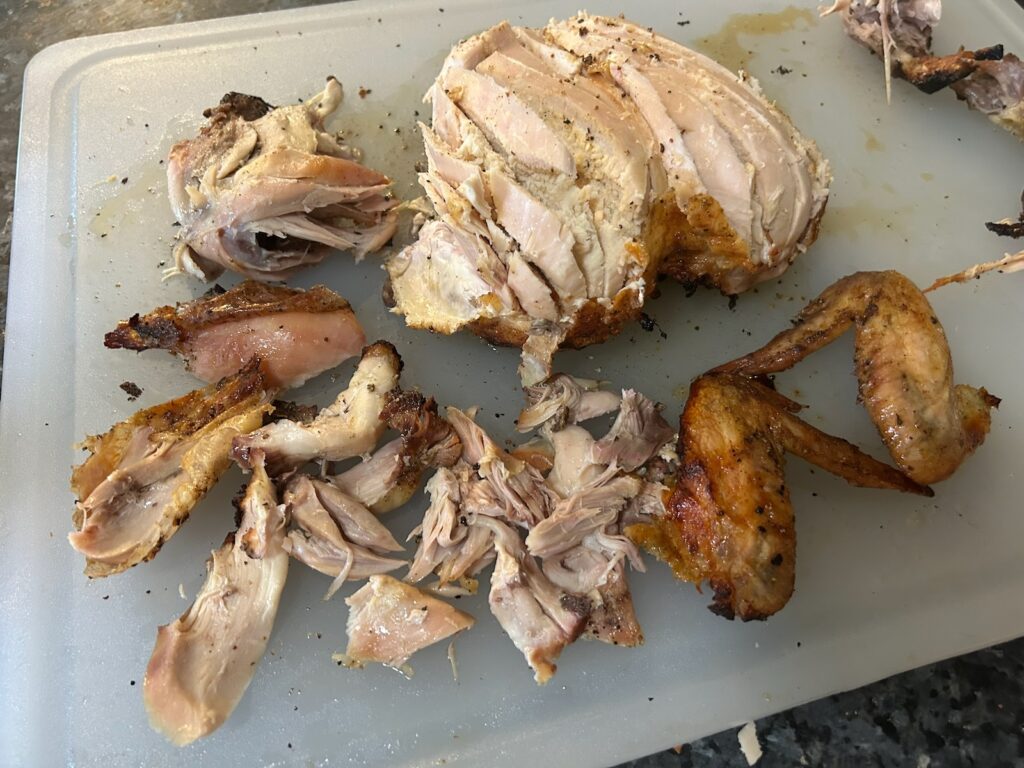
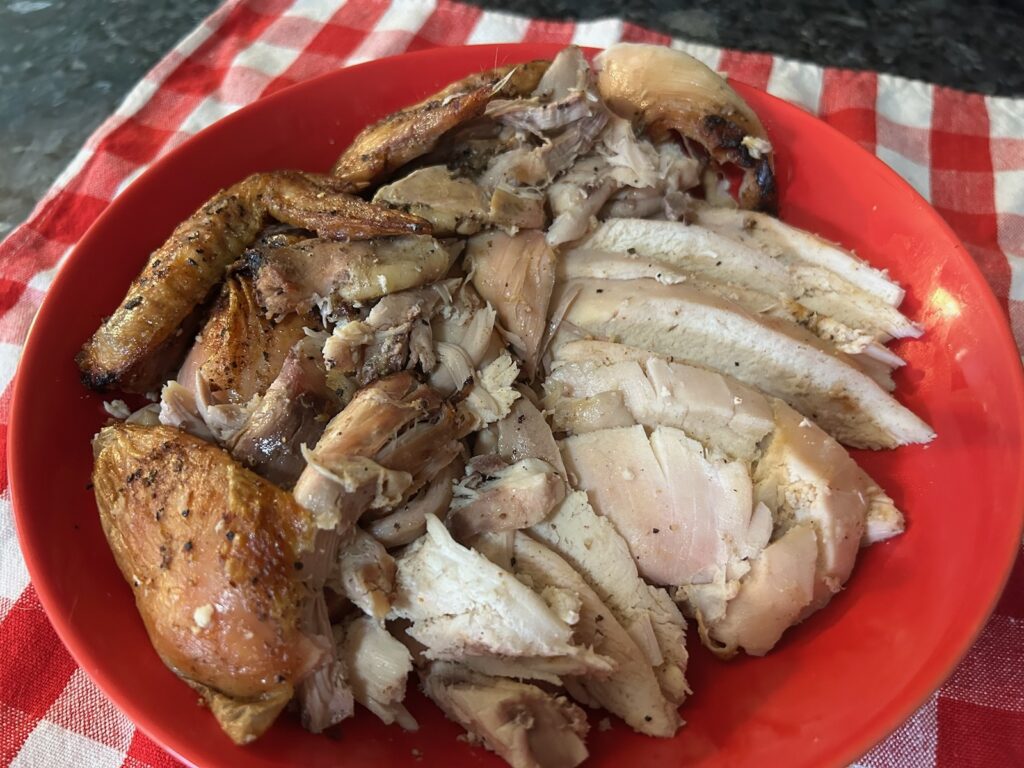
I felt like Thanksgiving came early when I started carving up this bird. I could tell right away that the meat was juicy and would taste delicious. (I might've snacked on a few pieces as I cut.)
Serve and Enjoy!
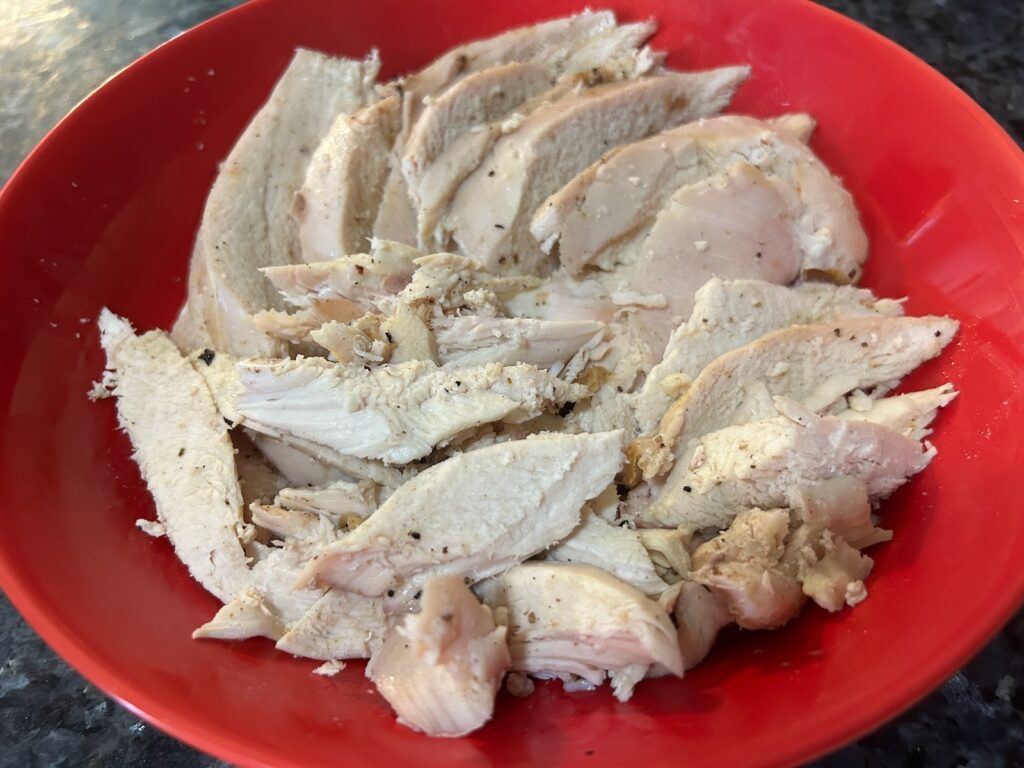
I used a large platter to place all of the meat on. I did my best to arrange it in a way to show off both the white meat and the dark.
Tips for Success
Use a thermometer instead of relying on time alone.
Larger birds can take significantly longer than expected.
If your grill has hot spots, rotate the chicken during cooking.
Cook to temperature, not to the clock.
Let the chicken rest before slicing.
What I Learned During My Test Cook
Every grill behaves differently.
Our gas grill struggled to maintain temperature with a large bird, so I occasionally used a second burner on low to help maintain cooking temperatures.
The biggest lesson?
Don't panic if your cook takes longer than expected. Focus on internal temperature and let the grill do its work.
The result was a beautifully browned chicken with juicy meat and crispy skin.
Cooking for one or two this Thanksgiving? A spatchcock chicken makes a fantastic alternative to a whole turkey — same festive feel, fraction of the effort, and it's perfectly sized for a smaller celebration.
Frequently Asked Questions
Is spatchcock chicken difficult to make?
Not at all. Once you remove the backbone, the rest is surprisingly easy.
Why flatten the chicken?
Flattening helps the chicken cook more evenly and often shortens cooking time.
Can I use a gas grill?
Absolutely. This recipe was developed on a standard gas grill.
What temperature should the breast reach?
The thickest part of the breast should reach 160–165°F.
What temperature should the thighs reach?
The thighs should reach approximately 175–180°F.
Do I need a special seasoning?
No. Any good BBQ rub works well.
Can I prepare the chicken ahead of time?
Yes. Season the chicken and refrigerate for several hours before grilling.
Why did my chicken take longer than expected?
Grill temperatures vary greatly. Always cook to internal temperature rather than a specific cooking time.
Can I use this method on a smoker?
Yes, though cooking times may vary.
What can I do with leftovers?
Use leftover chicken in sandwiches, tacos, soups, casseroles, or rice dishes.
Thanks for Stopping By!
If you make this delicious bird, let us know in the comments! And if you have any tips or ideas, always feel free to let us know.
Before you go, why not pin some photos to your Pinterest boards?
About the Cook
Today's recipe comes from guest contributor Janice Thompson, Zach's mother-in-law and the founder of Out of the Box Baking.
While Zach is usually the one tending the smoker and developing recipes for Backyard Texas Grill, Janice volunteered to tackle this chicken recipe using the one piece of outdoor cooking equipment she owns—a propane gas grill.
A lifelong home cook, cookbook author, baker, and grandmother, Janice loves testing recipes that make family meals easier and more enjoyable. This was her very first time spatchcocking a chicken, proving that you don't have to be a pit master to try something new.
Her goal was simple: create a juicy, flavorful chicken that any home cook could make on an ordinary backyard grill. Along the way she learned a few lessons about grill temperatures, hot spots, and patience—but the end result was a beautifully browned chicken that earned a spot at the family dinner table.
When she's not experimenting in the kitchen, Janice enjoys writing, baking, spending time with her grandchildren, and sharing recipes that bring people together.
Learn how to make a juicy grilled spatchcock chicken on a gas grill. This easy method cooks faster than a whole chicken and delivers crispy skin, tender meat, and plenty of backyard flavor.
No Ratings
Ingredients
1 whole chicken
2 tablespoons oil
2–3 tablespoons BBQ rub
salt and pepper to taste
Instructions
Remove the backbone, cutting along both sides.
Flatten the chicken, cracking the breastbone.
Pat dry and oil lightly.
Season generously with spices of your choice.
Set up grill for indirect heat. Temp should stay between 300 and 350 throughout.
Grill skin-side up (legs closest to the heat) until the breast reaches 160–165°F. (75-120 minutes, depending on your grill). You might have to turn the bird the other direction if the leg are getting over-done.
Rest 10–15 minutes.
Carve and serve.
Did you make this recipe?
Please leave a comment on the blog or share a photo on Facebook